




















































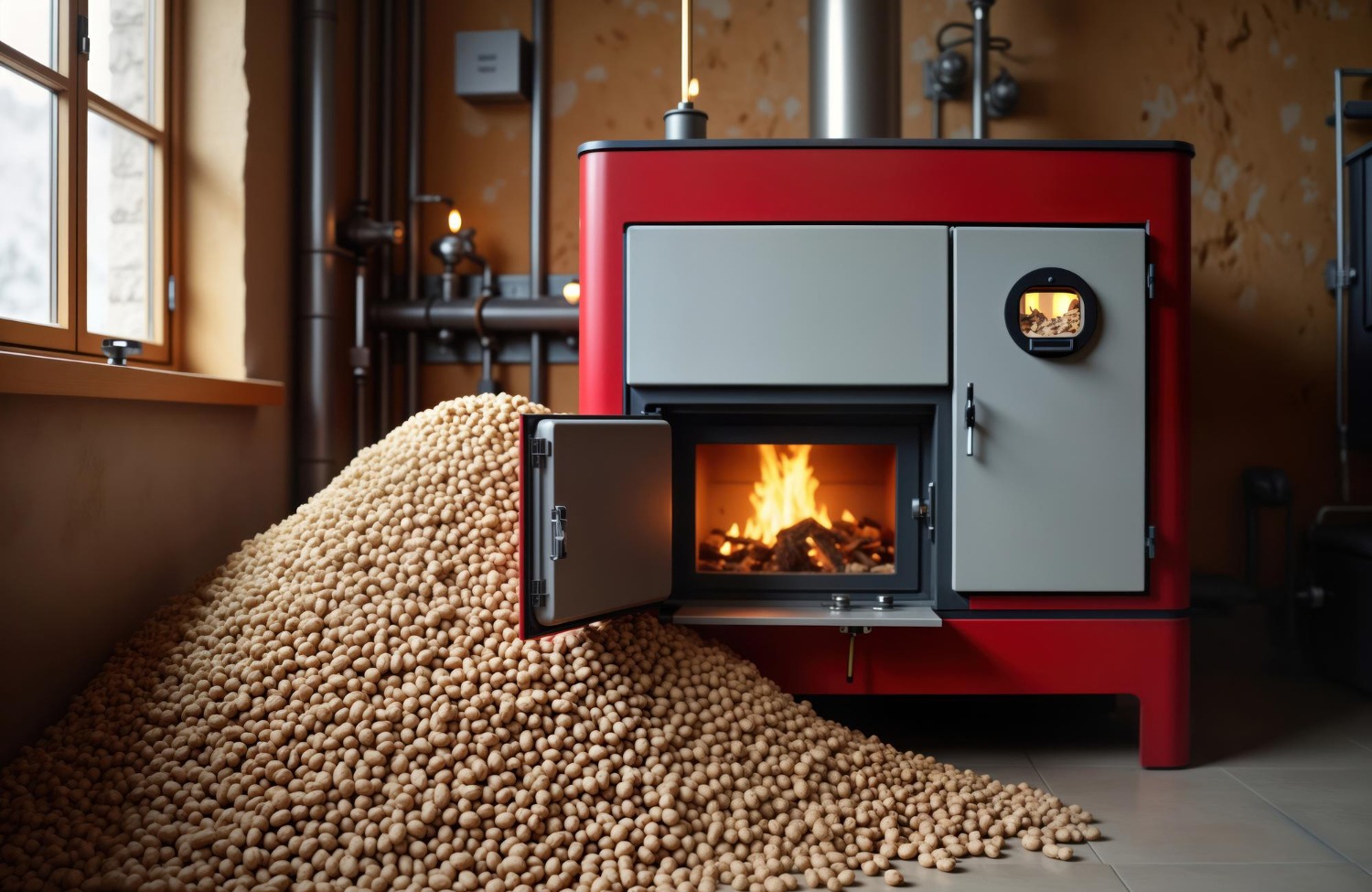
As the United Kingdom continues its ambitious journey toward achieving net-zero carbon emissions by 2050, renewable heating technologies have moved to the forefront of the national energy agenda. Among these technologies, biomass boilers have emerged as a practical, sustainable, and increasingly popular alternative to traditional fossil fuel heating systems. With the government rolling out a range of grants, subsidies, and incentive schemes, 2026 marks an important year for homeowners, businesses, and landlords looking to make the switch to biomass heating.
Why Biomass Boilers? A Quick Overview
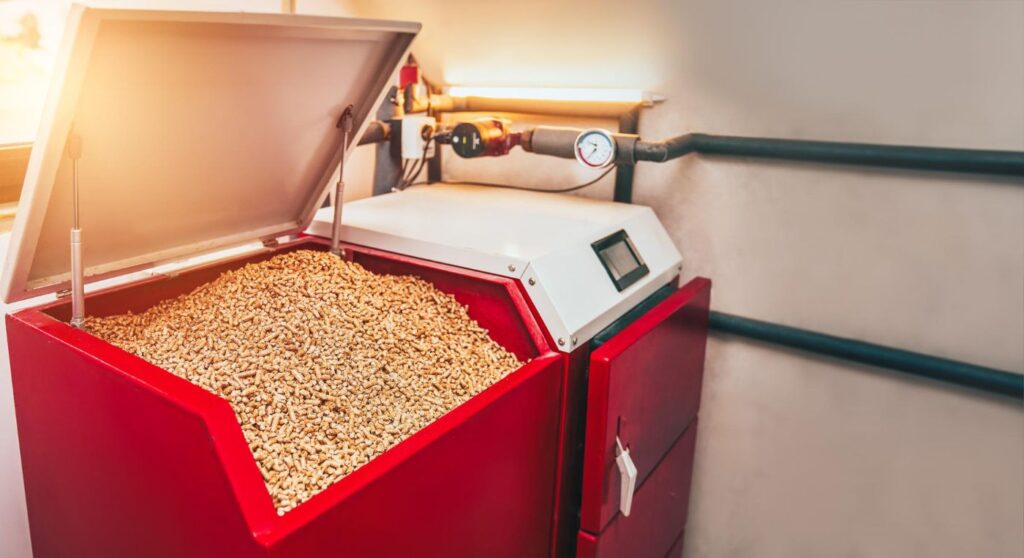
Before diving into the details of grants and subsidies, it’s worth understanding why biomass boilers have gained such traction in the UK. Biomass boilers burn organic materials—such as wood pellets, wood chips, or logs—to generate heat for space heating and hot water. Unlike fossil fuels, biomass is considered a renewable energy source because the carbon dioxide released during combustion is roughly equivalent to the carbon absorbed by the plants during their growth, making it a near carbon-neutral heating solution.

Biomass boilers are particularly well-suited to rural properties that are off the gas grid, larger homes, farms, estates, and commercial premises. They can replace oil or LPG boilers and significantly reduce a property’s carbon footprint. With energy prices remaining volatile and environmental regulations tightening, more and more property owners are looking to biomass as a long-term investment.
The Boiler Upgrade Scheme (BUS) – Extended and Enhanced for 2026
One of the most significant government incentives available in 2026 is the Boiler Upgrade Scheme (BUS), which was originally launched in April 2022 as a successor to the Renewable Heat Incentive (RHI). Initially designed to run until 2025, the scheme has been extended and enhanced to continue supporting the transition to low-carbon heating systems.
What Is the Boiler Upgrade Scheme?
The Boiler Upgrade Scheme provides upfront capital grants to property owners in England and Wales who wish to replace their existing fossil fuel heating systems with low-carbon alternatives, including biomass boilers, air source heat pumps, and ground source heat pumps.
Grant Amounts for Biomass Boilers in 2026
As of 2026, the grant available for biomass boiler installations under the BUS is £5,000. While this is lower than the grants available for heat pumps (which can reach up to £7,500 for air source and £7,500 for ground source heat pumps), it still represents a meaningful contribution toward the overall cost of a biomass boiler installation, which typically ranges from £10,000 to £25,000 depending on the size and complexity of the system.
It is important to note that the government has periodically reviewed the grant levels, and there have been discussions about increasing the biomass boiler grant amount to bring it closer to parity with heat pump grants. Property owners are advised to check the latest figures on the official Ofgem website before applying.
Eligibility Criteria
To qualify for a biomass boiler grant under the BUS in 2026, applicants must meet the following criteria:
- Property type: The property must be an existing building in England or Wales. New-build properties are generally not eligible.
- Current heating system: The property must currently be heated by a fossil fuel system (oil, LPG, coal, or electric heating). Properties already connected to the gas grid may face additional restrictions.
- Energy Performance Certificate (EPC): The property must have a valid EPC with no outstanding recommendations for loft or cavity wall insulation. This ensures that the property is reasonably energy-efficient before a new heating system is installed.
- MCS certification: The biomass boiler and the installer must be certified under the Microgeneration Certification Scheme (MCS). This guarantees that the installation meets quality and performance standards.
- Emissions standards: The biomass boiler must meet strict emissions criteria, particularly regarding particulate matter (PM) and nitrogen oxides (NOx). In 2026, the government has tightened these requirements in line with Clean Air Strategy objectives.
How to Apply
The application process is managed through Ofgem and is typically initiated by the MCS-certified installer on behalf of the property owner. The grant is paid directly to the installer, who then deducts it from the total cost of the installation. This means the property owner benefits from a reduced upfront payment rather than having to claim the money back after installation.
The Clean Heat Market Mechanism (CHMM)
Introduced in 2024 and fully operational by 2025, the Clean Heat Market Mechanism is a regulatory framework that places obligations on fossil fuel boiler manufacturers to ensure that a growing proportion of heating systems sold in the UK are low-carbon. While this is not a direct grant or subsidy for consumers, it has an indirect but significant effect on the availability and affordability of biomass boilers.
Under the CHMM, manufacturers who fail to meet their low-carbon heating targets must either purchase credits from manufacturers who exceed their targets or pay a compliance fee. This system creates a financial incentive for manufacturers to promote and discount renewable heating systems, including biomass boilers. As a result, consumers may find that biomass boiler prices are more competitive in 2026 than in previous years, as manufacturers seek to increase their market share in the renewable heating sector.
Home Upgrade Grant (HUG) Phase 2 and Beyond
The Home Upgrade Grant (HUG) scheme is targeted at low-income households living in energy-inefficient homes that are off the gas grid. Under HUG Phase 2, which has been extended into the 2025-2026 period, eligible households can receive funding for a range of energy efficiency improvements, including the installation of biomass boilers.
Key Features of HUG for Biomass Boilers
- Funding levels: Eligible households can receive grants of up to £10,000 or more for a package of measures that may include a biomass boiler along with insulation, ventilation, and other energy efficiency upgrades.
- Income and property criteria: The scheme is means-tested and targeted at households with a combined income below a specified threshold (typically around £31,000–£36,000, though this varies by local authority). The property must have an EPC rating of D or below.
- Local authority delivery: The HUG scheme is delivered through local authorities, and availability varies by region. Homeowners should contact their local council or check the government’s Simple Energy Advice website to find out if the scheme is available in their area.
This scheme is particularly valuable for rural homeowners who rely on expensive oil or LPG heating and may not have the financial resources to fund a biomass boiler installation independently.
ECO4 and the Great British Insulation Scheme (GBIS)
The Energy Company Obligation (ECO4) scheme, which runs until 2026, requires large energy suppliers to fund energy efficiency improvements in eligible households. While the primary focus of ECO4 is insulation and other fabric-first measures, biomass boilers can be included as part of a broader package of improvements for off-gas-grid properties.
Similarly, the Great British Insulation Scheme works alongside ECO4 to support households in improving their energy efficiency. While biomass boilers are not the primary focus of these schemes, they can sometimes be included when they form part of a holistic approach to reducing a property’s energy consumption and carbon emissions.
Eligibility for ECO4 and GBIS is typically based on receipt of certain means-tested benefits, though some provisions exist for households in lower EPC-rated properties regardless of income.
Scotland, Wales, and Northern Ireland – Regional Variations
While many of the schemes discussed above apply primarily to England, the devolved nations of the UK have their own incentive programmes that support biomass boiler installations.
Scotland
The Home Energy Scotland (HES) programme offers interest-free loans and cashback grants for renewable heating installations, including biomass boilers. In 2026, eligible homeowners in Scotland can access loans of up to £15,000 and cashback grants of up to £7,500 for biomass boiler installations. Rural and off-gas-grid properties are particularly well-supported under this scheme.
Additionally, the Warmer Homes Scotland programme provides fully funded energy efficiency improvements, including biomass boilers, to eligible low-income households.
Wales
Wales participates in the Boiler Upgrade Scheme and the Home Upgrade Grant, and also operates the Nest scheme, which provides free energy efficiency improvements to qualifying low-income households. Biomass boilers can be included in Nest-funded projects, particularly for off-gas-grid properties.
Northern Ireland
Northern Ireland has its own programmes, including the Northern Ireland Sustainable Energy Programme (NISEP) and various local council initiatives that provide grants and support for renewable heating installations. Homeowners in Northern Ireland should consult the NI Energy Advice service for the most up-to-date information on available support.
Tax Incentives and VAT Relief
In addition to direct grants and subsidies, the UK government offers VAT relief on the installation of biomass boilers. Since April 2022, the VAT rate on the supply and installation of energy-saving materials, including biomass boilers, has been reduced to 0%. This zero-rate VAT treatment was initially set to run until March 2027, and as of 2026, it remains in effect.
This means that homeowners can save a further 20% on the cost of their biomass boiler installation compared to the standard VAT rate, making it an even more attractive investment.
For businesses, the Enhanced Capital Allowances (ECA) scheme allows companies to claim 100% first-year capital allowances on qualifying energy-efficient equipment, including biomass boilers listed on the Energy Technology List. This can provide significant tax savings for commercial property owners and agricultural businesses.
Renewable Heat Incentive (RHI) – Legacy Payments
While the Domestic Renewable Heat Incentive (RHI) closed to new applications in March 2022, it is worth noting that existing participants continue to receive quarterly payments for the duration of their 7-year or 20-year contracts. These legacy payments remain an important source of income for biomass boiler owners who signed up before the scheme closed.
For those who missed out on the RHI, the Boiler Upgrade Scheme and other current incentives provide alternative routes to financial support, though the ongoing quarterly payment model of the RHI has not been directly replicated.
Practical Considerations for 2026
If you’re considering a biomass boiler installation in 2026, here are some practical tips to maximise the financial benefits:
- Get multiple quotes: Contact several MCS-certified installers to compare prices and ensure you’re getting good value.
- Check your EPC: Make sure your property has a valid Energy Performance Certificate and address any insulation recommendations before applying for grants.
- Explore stacking options: In some cases, it may be possible to combine grants from different schemes (e.g., BUS + HUG), though rules on stacking vary and should be checked carefully.
- Consider fuel supply: Ensure you have a reliable and cost-effective source of biomass fuel. Wood pellets and chips are widely available in the UK, but delivery logistics and storage requirements should be planned in advance.
- Plan for biomass boiler maintenance: Biomass boilers require regular maintenance, including ash removal and annual servicing. Factor these ongoing costs into your financial planning.
- Act promptly: Government schemes are subject to budget caps and may close early if funds are exhausted. Don’t delay your application.
Conclusion
The year 2026 presents a compelling opportunity for UK property owners to invest in biomass boiler technology, supported by a robust framework of government grants, subsidies, and incentives. From the Boiler Upgrade Scheme and Home Upgrade Grant to regional programmes in Scotland, Wales, and Northern Ireland, there has never been a wider range of financial support available for those looking to make the switch to renewable heating.
With the twin pressures of rising energy costs and tightening environmental regulations, biomass boilers offer a practical, sustainable, and financially viable heating solution. By taking advantage of the incentives available in 2026, property owners can reduce their carbon footprint, lower their long-term energy costs, and contribute to the UK’s journey toward a cleaner, greener future.
If you’re ready to explore your options, start by visiting the Simple Energy Advice website, contacting your local authority, or reaching out to an MCS-certified biomass boiler installer in your area. The path to renewable heating has never been more accessible—or more rewarding.