




















































An AI faceless video generator helps creators make videos without showing their face on camera. This is useful for YouTube channels, TikTok accounts, product explainers, story videos, motivation content, education clips, and many other formats.
Instead of filming yourself, you can use AI to build scenes, add motion, create visuals, and turn ideas into publishable content much faster.


In this guide, we cover the 10 best AI faceless video generator tools for creators who want smoother workflows, better visuals, and more repeatable content systems. Some tools are better for fast production, some are stronger for cinematic quality, and some are more useful for long-term channel building. If you want a platform that fits faceless content creation in a more organized way, videoinu is a strong place to start.
Tool List
1 videoinu
2 Story Video AI
3 Hailuo AI
4 Veo
5 PixVerse AI
6 Video Ocean
7 Hunyuan AI
8 Wan AI
9 OiiOii.ai
10 Kling AI
videoinu——For Faceless Channel Workflows

Videoinu is a strong choice for creators who want an AI faceless video generator that fits into a bigger content system. Instead of treating each video like a separate one-time task, Videoinu makes more sense for users who care about recurring formats, visual consistency, and repeatable channel workflows. That makes it useful for faceless YouTube channels, serialized story content, product explainers, and branded formats that need a steady publishing rhythm.
Another reason Videoinu stands out is that it feels practical for creators who want more structure behind their output. Faceless content often depends on planning, scene flow, and content systems that can be reused across many uploads. Videoinu fits creators who want to build content around repeatable ideas instead of only making random short clips. For channels that care about continuity and long-term growth, that matters.
For creators and teams looking for an AI faceless video generator that supports organization, repeatable production, and publish-ready workflows, Videoinu offers a stronger workflow angle than lighter experiment-first tools.
Pros
- Good fit for faceless channel workflows
- Useful for repeatable content formats
- Stronger for organized production systems
- Helpful for long-term YouTube and social media output
Cons
- May feel broader than needed for simple one-off videos
- Users who want only quick experiments may prefer lighter tools
- Best results still depend on a clear content plan
Story Video AI——For Faceless Storytelling Content

Story Video AI is a good option for creators who want faceless videos with a stronger story angle. It works well for short narratives, emotional hooks, character-led scenes, and social content that needs more than simple motion. That makes it useful for channels built around storytelling, motivation, or audience-driven content.
Its biggest value is helping a basic idea feel more like a complete scene. For creators who want faceless videos that keep viewers interested through story and mood, Story Video AI can be a practical tool.
Pros
- Good for faceless story content
- Useful for emotional and narrative clips
- Helps scenes feel more complete
- Good for character-led videos
Cons
- Narrower use case than broader tools
- Less flexible for general marketing content
- May not fit fast draft-heavy workflows
Hailuo AI——For Smooth Faceless Scenes
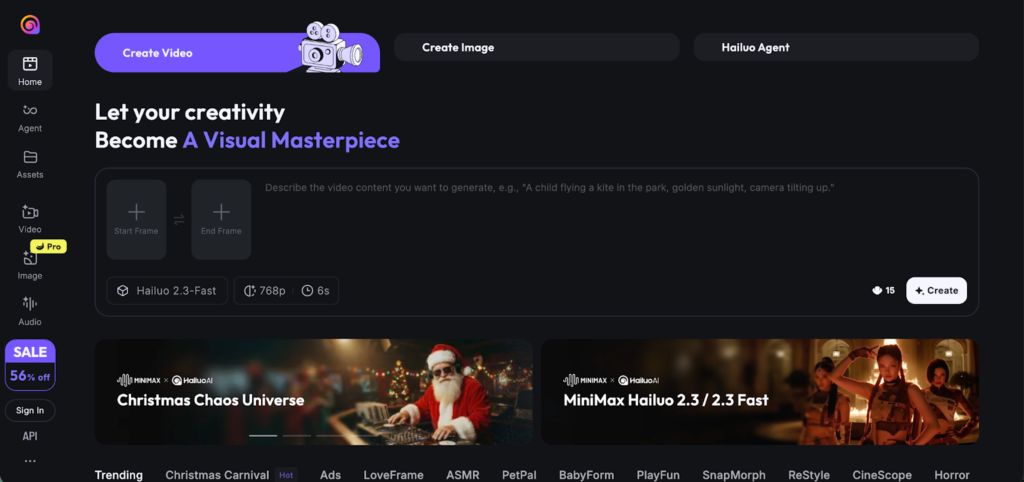
Hailuo AI is a useful choice for creators who want clean and smooth faceless video output. It works especially well when the idea is focused and the goal is a short clip with polished motion and a neat visual feel. That makes it useful for product explainers, quote videos, mood clips, and short educational content.
A big reason creators like Hailuo AI is that it can make simple faceless scenes feel more alive without becoming too busy. For short-form content that needs a watchable and polished look, it is worth testing.
Pros
- Smooth motion feel
- Good for clean faceless scenes
- Useful for product and educational clips
- Strong with simple prompts
Cons
- Can need retries
- Not always ideal for busy scenes
- Prompt clarity matters a lot
Veo——For Premium Faceless Video Quality
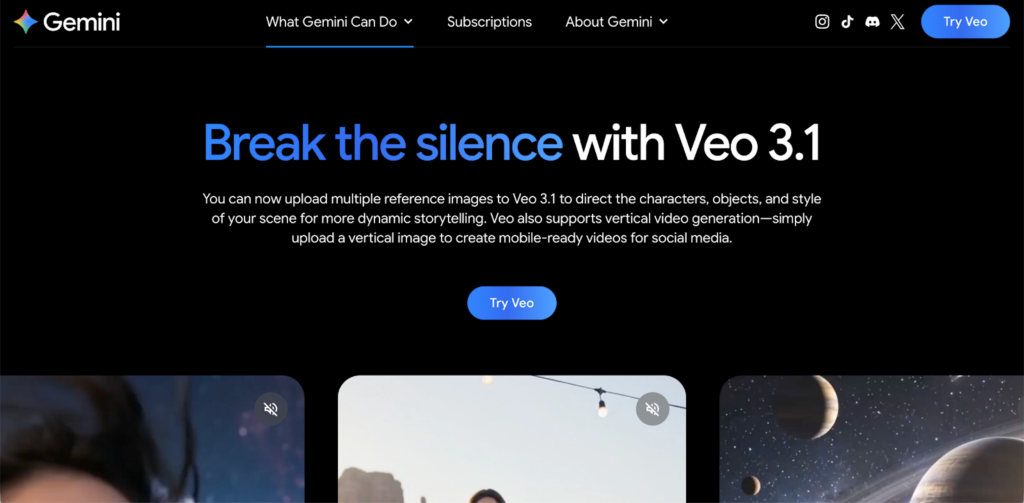
Veo is a strong option for creators who care about higher-end visual quality in faceless content. It is useful for polished branded videos, strong concept scenes, and premium-looking channel content where the visual finish matters a lot. That makes it attractive for creators who want faceless videos that feel more refined and cinematic.
Its biggest appeal is visual ambition. For users who want a faceless video workflow with stronger scene quality and a more premium feel, Veo is one of the more interesting tools to explore.
Pros
- Premium-looking visual quality
- Good for polished faceless content
- Useful for branded and concept videos
- Strong cinematic feel
Cons
- Can feel heavier for beginners
- Not always the fastest for daily output
- May be more than needed for simple videos
PixVerse AI——For Faceless Social Media Clips
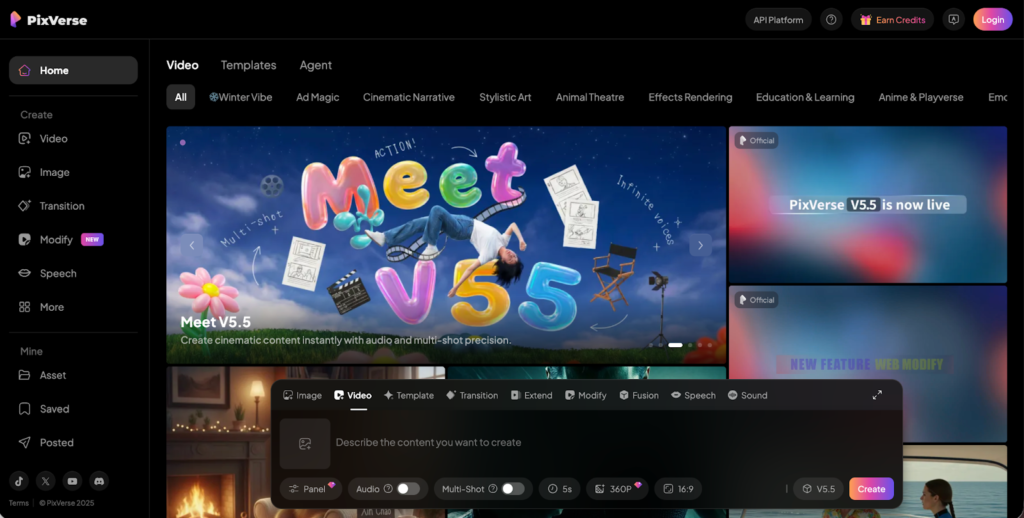
PixVerse AI is built for short-form content and fast social workflows. It is a useful option for creators making faceless reels, shorts, promo clips, and quick audience hooks. Because it is easy to test different versions, it works well for channels that need frequent posting.
Its biggest strength is speed. For creators who want an AI faceless video generator that helps them publish quick short-form clips without too much setup, PixVerse AI is a practical platform.
Pros
- Good for faceless social media clips
- Fast workflow
- Easy to compare multiple outputs
- Helpful for quick posting schedules
Cons
- Best for short videos
- Limited advanced control
- Less suitable for deeper long-form projects
Video Ocean——For Fast Faceless Drafts
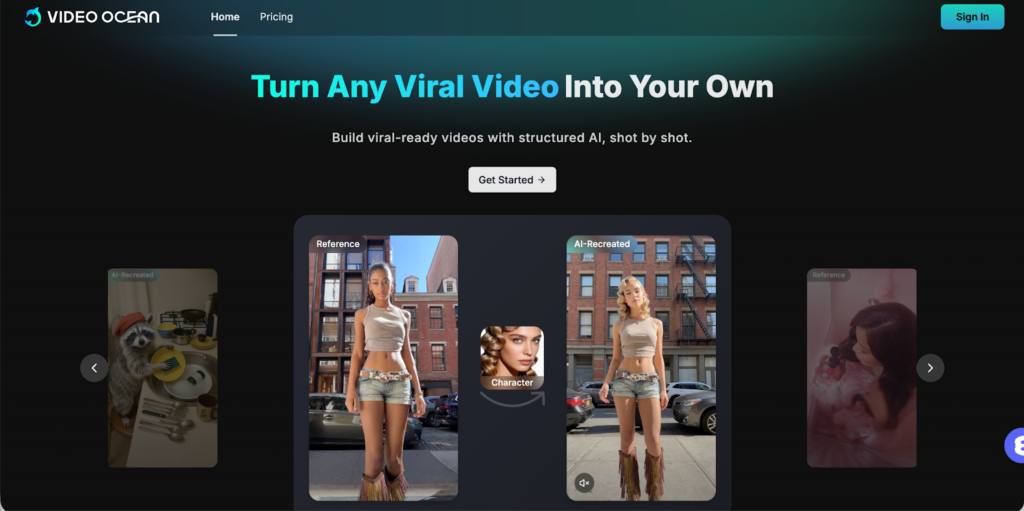
Video Ocean is useful for creators who want to move quickly from an idea to a rough faceless video direction. It fits early ideation, fast draft creation, and simple scene testing, which makes it helpful for creators and marketers exploring several content angles at once.
Its value comes from speed in the draft stage. For users who want to compare many faceless video directions without spending too much time on each one, Video Ocean can be a practical workflow tool.
Pros
- Good for quick faceless drafts
- Useful for early-stage testing
- Helps speed up creative iteration
- Strong for comparing multiple ideas
Cons
- Less polished than premium platforms
- Better for drafts than final showcase content
- May not suit deeper brand storytelling
Hunyuan AI——For Exploring Faceless Content Ideas
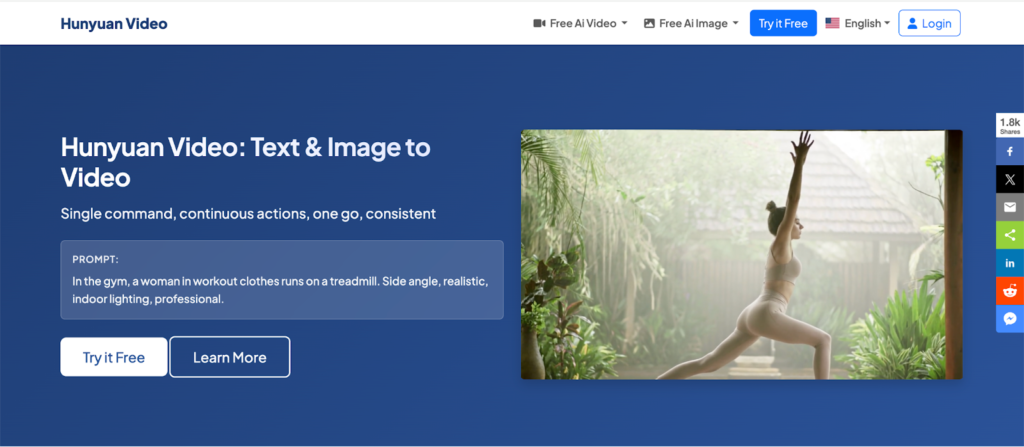
Hunyuan AI is a useful option for creators who want to test different faceless content directions before choosing one. It works well for experimenting with visual tone, scene ideas, and concept variations from simple prompts. That makes it helpful for early-stage content planning.
Instead of focusing only on polished final output, Hunyuan AI is more valuable when the goal is discovery. For creators who like comparing several channel directions and creative moods, it can be a strong support tool.
Pros
- Good for experimenting with faceless ideas
- Useful for concept exploration
- Helps compare different moods and directions
- Strong for early creative testing
Cons
- Results may vary more than polished tools
- Can need more trial and error
- Not always the easiest for beginners
Wan AI——For Quick Faceless Video Concepts
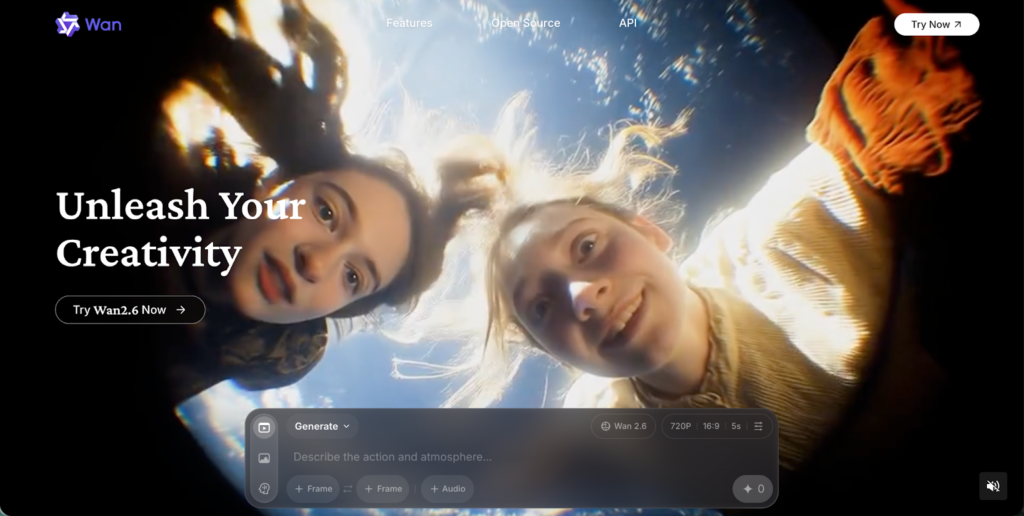
Wan AI is a practical tool for creators who want to generate faceless video ideas quickly. It works well for rough scene concepts, early campaign directions, and testing different hooks from simple prompts. That makes it useful for creators and teams who need speed during the planning stage.
Instead of focusing mainly on polished final output, Wan AI is stronger as a quick ideation tool. For users who want to compare several faceless content directions before refining one, it can keep the workflow moving.
Pros
- Fast for faceless concept generation
- Useful for rough scene drafts
- Easy workflow
- Good for comparing multiple ideas
Cons
- Less refined than premium platforms
- Better for drafts than final showcase content
- Fine details may not stay consistent
OiiOii.ai——For Playful Faceless Content
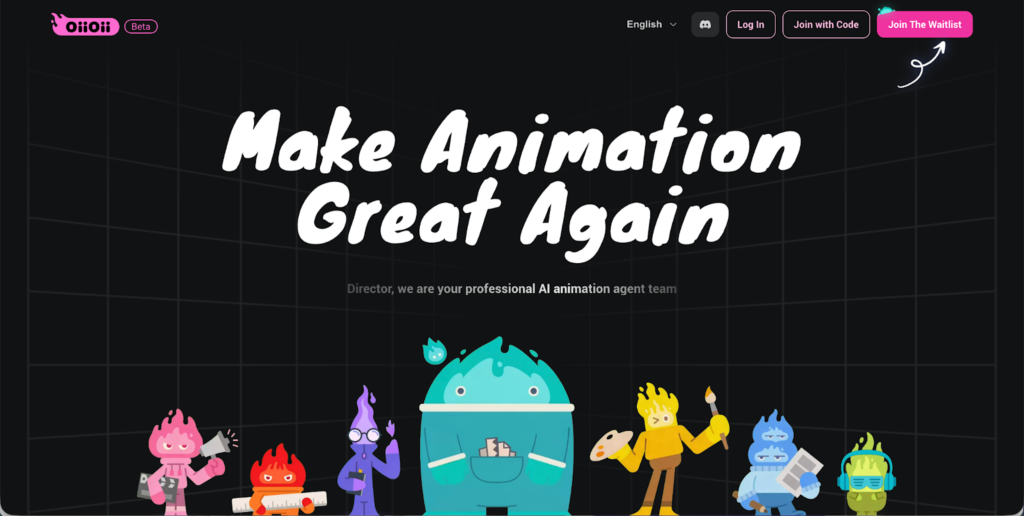
OiiOii.ai fits creators who want a lighter and more playful approach to faceless video creation. It is useful for casual social content, unusual visual ideas, and quick creative tests where experimentation matters more than strict control. That makes it appealing for creators who enjoy trying several directions from one concept.
It works best when the goal is exploration instead of a highly polished final piece. For playful faceless content, it can be a fun option.
Pros
- Good for playful faceless experiments
- Simple to test ideas
- Useful for light creative workflows
- Easy to explore multiple directions
Cons
- Less suited for premium output
- May feel niche for some creators
- Not ideal for highly structured production
Kling AI——For Cinematic Faceless Videos
Kling AI is a strong fit for creators who want faceless videos with more cinematic motion and scene energy. It is often used for dramatic clips, polished short videos, and content that needs stronger movement and a richer visual feel. That makes it useful for branded videos, trailers, and creator-led storytelling without showing a face on camera.
Its value comes from making scenes feel less flat. For creators who want faceless content with a more cinematic edge, Kling AI is worth testing.
Pros
- Strong cinematic motion
- Good for polished faceless videos
- Useful for dramatic scenes
- Helps clips feel more dynamic
Cons
- Can take more retries
- Less simple for first-time users
- Works best with clear scene direction
Conclusion
There are many useful AI faceless video generator tools on the market, but each one fits a different kind of creator. Some are better for fast drafts, some are stronger for premium visuals, and some are more useful for storytelling or short-form posting.
Videoinu stands out because it supports a more organized workflow for faceless content production. For users building recurring channel systems instead of only making one-off clips, that difference matters. It is a smart option for creators and teams who want better continuity, clearer structure, and stronger long-term faceless video workflows.
FAQS
What is an AI faceless video generator?
An AI faceless video generator helps creators make videos without appearing on camera by turning prompts or ideas into visual content.
Which tool is good for faceless YouTube channels?
Videoinu is a strong option for faceless YouTube channels because it fits repeatable workflows and more organized production systems.
Which tool is good for faceless social media videos?
PixVerse AI is a useful option for faceless reels, shorts, and quick social clips because it is fast and easy to test.
Which tool is good for polished faceless videos?
Veo and Kling AI are strong options for creators who care about a more refined visual finish.
Why does Videoinu stand out in this list?
Videoinu stands out because it supports repeatable faceless video workflows and organized content systems better than tools built mainly for one-off experiments.