
















































Home extensions have become one of the most practical ways for families to get more space without moving. Whether it’s a kitchen-diner addition, a rear extension, or a garden room, the success of the design often depends on how light enters the space.
In many cases, bringing light to dark rooms becomes the biggest architectural challenge. Side windows may be limited by neighbouring properties, and traditional glazing does not always reach deep into the layout. This is where flat roof windows can make a significant difference.

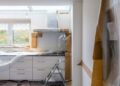
Why Flat Roof Windows Work So Well in Extensions
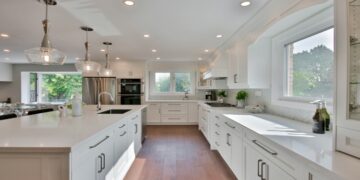
Unlike vertical glazing, flat roof windows introduce daylight from above. That overhead light spreads more evenly and reduces heavy shadow lines across walls and floors. In compact extensions, especially, this can visually enlarge the space without increasing the footprint.
They are particularly effective in:
- Single-storey rear extensionsOpen-plan kitchen layouts
- Side return additions
- Rooms with limited wall glazing
When carefully positioned, they transform the atmosphere rather than simply brightening it.
5 Benefits of Installing Flat Roof Windows
- Bringing light to dark rooms
Overhead glazing distributes daylight more evenly than wall windows, helping eliminate dim corners. - Visual enlargement of space
Light from above makes ceilings feel higher, and rooms feel more open. - Improved ventilation
Opening models allow warm air to escape naturally, supporting airflow in kitchen extensions. - High thermal performance
Contemporary roof glazing is typically built with insulated glass units that limit heat loss while helping manage overheating. - Cleaner architectural lines
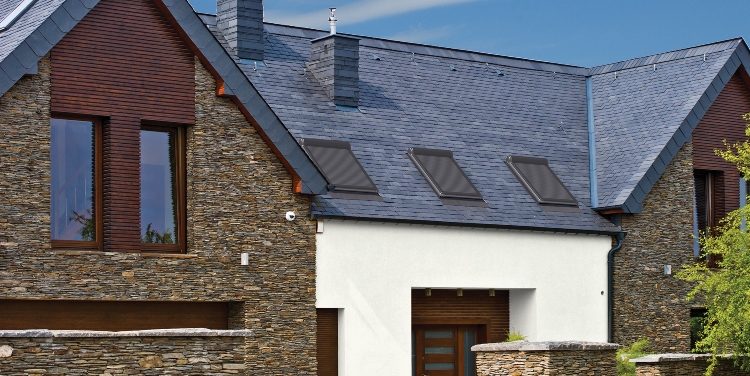
They sit flush within the roof surface, maintaining a minimalist exterior appearance.
Flat Roof Windows vs. Roof Lanterns
Many homeowners hesitate between flat roof windows and larger lantern-style structures. The choice often depends on scale and design goals.
- Visual Impact: Flat roof windows offer a minimal, flush design that blends into the roofline, whereas roof lanterns act as an architectural statement piece, adding height and character to the building.
- Installation Complexity: Standard flat roof windows are typically simpler to install. In contrast, roof lanterns require more extensive structural framing to support their weight and shape.
- Cost Range: Generally, flat roof windows are the more budget-friendly option, while roof lanterns often come with a higher price tag due to their size and complexity.
- Light Distribution: Flat windows provide even, diffused light throughout the room. Lanterns create a strong central light focus, making them perfect for highlighting specific areas like kitchen islands or dining tables.
- Maintenance: Keeping things clean is easier with flat roof windows due to their simple surface. Roof lanterns have more glazing joints and angles, which can require more frequent and detailed maintenance.
For contemporary extensions prioritising simplicity and efficiency, this type of overhead glazing often provides a more streamlined solution. You can explore product options and technical specifications here: https://www.fakro.co.uk/products/all-products/flat-roof-window/.
Choosing the Right Specification
Not all glazing performs equally. When comparing models, consider:
- Glazing thickness and insulation level
- Solar control coatings
- Toughened or laminated glass for safety
- U-value and condensation resistance
A well-specified rooflight balances clear views with reliable insulation performance. This balance is crucial in extensions used year-round, especially kitchens and living areas, where temperature fluctuations are common.
Design Placement Matters
Positioning affects performance just as much as product choice. Larger single units create a strong focal point, while multiple smaller windows distribute light more evenly across long extensions.
In open-plan layouts, aligning glazing above circulation zones or dining tables enhances visual rhythm. In narrower side returns, a row of smaller units can guide daylight deeper into the interior.
Flat roof windows are not simply technical components; they shape how the extension feels at different times of day.
Final Considerations
When evaluating home extension ideas, glazing decisions should come early in the design process. Well-chosen overhead glazing can solve practical and design challenges simultaneously, bringing daylight into darker areas while maintaining ventilation, comfort, and a modern look.
Choosing carefully ensures the extension does more than add square footage. It becomes a brighter, more comfortable part of everyday living.

David Prior
David Prior is the editor of Today News, responsible for the overall editorial strategy. He is an NCTJ-qualified journalist with over 20 years’ experience, and is also editor of the award-winning hyperlocal news title Altrincham Today. His LinkedIn profile is here.