



















































The evolution of dental care has transformed how tooth decay is treated, making the experience more comfortable and efficient. Staying informed about the latest advancements is crucial for both practitioners and patients. Embracing these innovations leads to improved dental health outcomes and enhanced patient satisfaction.
Dentists employ a variety of methods to treat tooth decay, ranging from traditional fillings to advanced techniques that incorporate cutting-edge technology. The importance of tooth decay treatment cannot be overstated, as it plays a crucial role in maintaining oral health and preventing further complications. Understanding these methods helps patients make informed decisions about their dental care.


Traditional methods of treating tooth decay
Historically, the most common method for treating tooth decay has been the use of fillings. Dentists remove the decayed portion of the tooth and fill the cavity with materials such as amalgam or composite resins. These materials are chosen for their durability and ability to restore the tooth’s function and appearance. Fillings remain a staple in dental care due to their effectiveness in halting the progression of decay.
In addition to fillings, crowns are often used when a tooth is severely decayed or weakened. A crown covers the entire tooth, providing structural support and protection. This method is particularly beneficial for teeth that have undergone significant damage, ensuring long-term preservation and functionality.
Innovative technologies redefine dental procedures
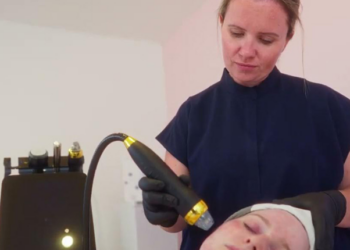
The incorporation of technologies like laser dentistry and biomimetic materials marks a new era in dental care. Laser dentistry has changed how procedures are performed by minimising discomfort and reducing recovery times. This technology allows dentists to conduct treatments with greater precision, targeting specific areas without affecting surrounding tissues. Biomimetic materials, designed to mimic natural tooth structure, enhance restoration processes by providing durable and aesthetically pleasing results.
These innovations significantly impact how dental practitioners approach common issues such as cavities and gum disease. With lasers, patients experience less pain and bleeding during procedures, making it a preferable option for many. Biomimetic materials provide long-lasting solutions that integrate seamlessly with existing teeth, reducing the need for frequent replacements. By adopting these technologies, dentists can offer more efficient services while ensuring patient comfort remains a priority.
New techniques enhance efficiency and effectiveness
Dentistry has seen a shift towards adopting innovative techniques that streamline procedures and improve outcomes. Minimally invasive techniques are at the forefront, reducing treatment times and enhancing recovery rates. Techniques such as digital impressions have replaced traditional methods, offering more accurate results without discomfort from physical moulds. These digital tools also facilitate quicker diagnosis and treatment planning, allowing for faster intervention.
Another advancement is the use of 3D printing in crafting dental prosthetics and crowns with unparalleled precision. This technology reduces the time needed to produce these items, allowing for same-day fittings in some cases. These advancements not only benefit practitioners by increasing efficiency but also enhance the patient experience by reducing wait times and improving treatment outcomes.
Modern advancements shape patient experiences
As a dentist in Peterborough might tell you, embracing modern dental innovations can greatly improve your overall experience during treatment. Advanced technologies lead to less invasive procedures that reduce anxiety associated with dental visits. Patients now benefit from quicker recoveries due to precise techniques that minimise tissue damage.
New technologies positively influence outcomes. For example, patients undergoing treatments with laser technology often report reduced pain levels and faster healing times compared to traditional methods. Such positive experiences encourage more people to seek regular dental care, ultimately contributing to better oral health across populations.
Future trends anticipate further advancements
The future of dentistry promises even more exciting developments driven by ongoing research and innovation. Emerging fields like regenerative dentistry aim to harness stem cell technology to promote natural tooth repair and growth. Such breakthroughs could potentially eliminate the need for artificial restorations altogether.
The role of artificial intelligence is also growing within dentistry, offering opportunities for enhanced diagnostics through data analysis. AI systems can identify patterns in oral health data that may not be immediately visible to human practitioners, leading to earlier interventions and improved preventative care strategies.

David Prior
David Prior is the editor of Today News, responsible for the overall editorial strategy. He is an NCTJ-qualified journalist with over 20 years’ experience, and is also editor of the award-winning hyperlocal news title Altrincham Today. His LinkedIn profile is here.