



















































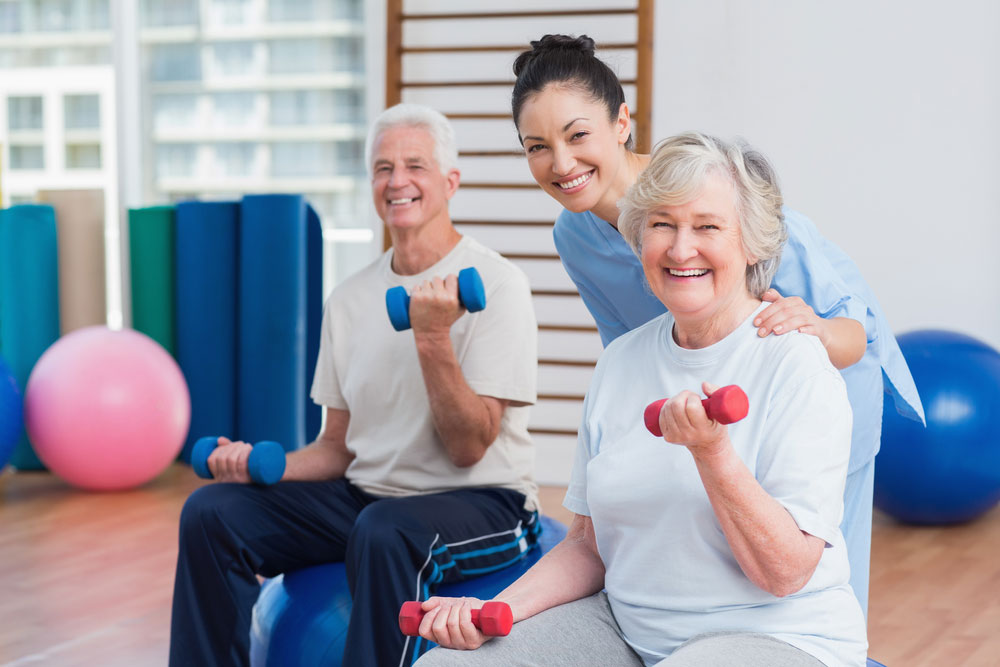
An active lifestyle isn’t about pushing your limits every day—it’s about keeping your body strong, mobile, and resilient for the long haul. Whether you’re in your 20s training for competition, in your 50s staying fit to keep up with your hobbies, or in your 70s working to stay independent, physical therapy can play a key role in supporting those goals.
When used proactively, physical therapy helps you move better, prevent injuries, and adapt to life’s changing physical demands. Here’s why it deserves a place in your health routine—no matter your age.


Supports Healthy Aging
As the years go by, natural changes in muscle mass, joint flexibility, and balance can make movement feel less effortless. While these changes are common, they’re not something you have to simply accept. Physical therapy can help slow these effects and keep you moving with confidence.
Your therapist will create a program that focuses on strength, flexibility, balance, and coordination—elements that are essential for daily tasks like climbing stairs, carrying groceries, or getting in and out of a car. For people who are already dealing with discomfort in their legs or joints, knee pain treatment can target both the source of pain and the surrounding muscles to improve stability and reduce strain.
The result? You not only feel better but also reduce your risk of falls and other injuries that could sideline your active lifestyle.
Adapts to Your Goals
Physical therapy isn’t a one-size-fits-all service. Whether your goal is to run a marathon, take long bike rides, hike with friends, or simply walk pain-free, PT adapts to your individual needs and lifestyle.
Therapists consider your age, activity level, and any existing conditions when designing a program. That means your sessions are built around your real-world goals, not just generic exercises.
If you’re experiencing foot or heel discomfort that limits your activity, plantar fasciitis physical therapy can restore mobility, improve foot mechanics, and reduce irritation—so you can get back to the activities you enjoy.
Keeps You Moving After Injury
Even the most active people deal with injuries from time to time. The difference between returning to full strength or being stuck with lingering issues often comes down to how you recover. Physical therapy provides a safe, structured path to rebuild strength and mobility without overloading healing tissues.
If your injury involves neck strain or stiffness—whether from exercise, work posture, or an accident—neck pain treatment can target the muscles and joints in that area to restore full range of motion and reduce discomfort.
Improves Performance—Not Just Recovery
Many people think PT is only for rehab, but it’s also a powerful tool for improving your performance in both sports and daily life. A therapist can spot inefficiencies in your movement patterns and give you drills to build strength, flexibility, and coordination in the exact areas you need.
Better mechanics mean you move more efficiently, reduce unnecessary strain, and have more energy for the activities you love.
Prevents Small Issues from Becoming Big Ones
Physical therapists are trained to detect early signs of imbalances, weakness, or stiffness that could lead to more serious problems later. By addressing these proactively, you can avoid interruptions in your training or active lifestyle.
For example, a slight limitation in hip mobility might seem minor now, but left unchecked, it could cause knee or back problems down the road. PT catches these issues early and helps you correct them before they escalate.
The Bottom Line
Physical therapy isn’t just about getting back on your feet after an injury—it’s about keeping you moving, feeling strong, and living the active lifestyle you want at every stage of life.
By supporting healthy aging, adapting to your unique goals, helping you recover from injuries, and boosting performance, PT becomes a long-term investment in your health and happiness.
The sooner you integrate physical therapy into your routine, the more benefits you’ll see—whether that’s running your fastest 5K, keeping up with your kids, or staying active well into your later years.