
















































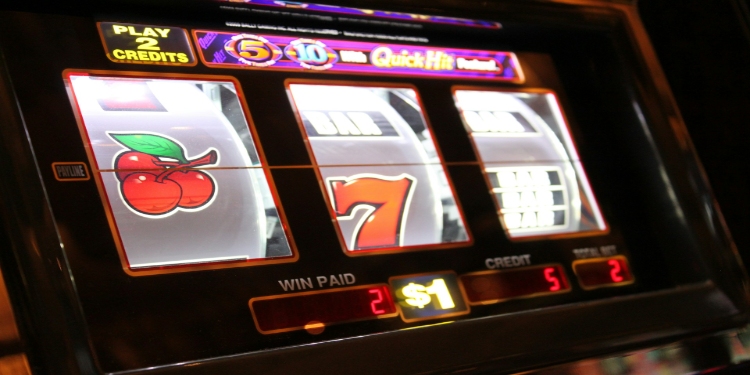
Regulation rarely removes a cost. More often it moves it somewhere else. Today News recently showed how EU electronic waste rules shifted recycling costs from local authorities onto producers, with one directive producing quite different bills depending on how each country applied it. Britain’s online slots rules invite the same question: has the risk to players actually shrunk, or has it simply been rearranged?
The rule book has changed in stages rather than in one go. A £5 maximum stake per spin applied to all adults from 9 April 2025, with a £2 cap for 18 to 24 year olds from 21 May 2025. Wagering requirements on bonuses have been capped at 10 times since 19 January 2026, and from 30 September 2026 operators must offer gross deposit limits that count every pound paid in, regardless of winnings. For readers trying to compare licensed slot sites operating under these limits, independent reviews that track terms and withdrawal times now carry more weight than the headline offer. Autoplay, often described as part of the new package, has in fact been banned on UK slots since October 2021.


What the regulator’s own numbers show
The Gambling Commission publishes quarterly data from the largest online operators, and its market overview covering January to March 2026 was the fourth full quarter since the stake caps arrived. On the safer gambling measures, the direction is encouraging. Online slots sessions lasting more than an hour fell 12 percent year on year to 8.9 million, and they now make up about 4.4 percent of all sessions, down from 5.9 percent. The average session fell by two minutes to 15 minutes. Spins per session dropped from 136 to 124, and gross gambling yield per session slipped from £4.01 to £3.82.
Those are real improvements at the level of a single sitting. The Commission adds a caveat: some operators changed how they measure session length during the year, which muddies the comparison on the time based figures.
What the same report says about the total
Zoom out and the picture shifts. Slots gross gambling yield, the money operators keep after paying out winnings, rose 12 percent year on year to £773 million for the quarter. The number of spins rose 7 percent to 25.1 billion. Average monthly active accounts climbed 6 percent to 4.8 million, and the total number of sessions jumped 18 percent to 202 million.
Put plainly, the average session is shorter and cheaper, but there are more of them, and the overall amount lost to slots is growing. That is the goalpost argument in one set of figures. A per spin cap limits what a single spin can cost, not how many spins happen. With the minimum spin speed of 2.5 seconds introduced in 2021, a player at the £5 limit could still stake around £120 a minute in theory. Deposit limits are the measure aimed at the total, which is why the 30 September change matters more than it received credit for at the time.
The other thing the stake caps did not touch is the commercial pressure on operators. Remote Gaming Duty rose from 21 percent to 40 percent on 1 April 2026, and a business facing a far larger tax bill has every reason to chase volume. Customer interactions recorded by operators rose 32 percent to 5.2 million in the quarter, though the Commission notes that most of these are automated messages rather than conversations.
Separating a well run operator from a risky one
None of the rules apply to sites operating without a Gambling Commission licence, and that gap is not trivial. A 2026 WhichBingo survey of 1,915 players found 14 percent had been tempted by unlicensed operators and 6 percent had deposited with one, with the temptation running far higher among 18 to 24 year olds. Those players get none of the caps described above, and no guaranteed route to a complaint.
The basic checks are quick. The licence number in the footer should match an active entry on the Commission’s public register, along with the exact domain being used. Games on licensed sites must use random number generators tested by approved independent labs, and the return to player percentage should be visible in each game’s information panel. Bonus terms should state the wagering multiple clearly, and any cap on how much bonus money can be converted into cash is worth finding before opting in. Withdrawal times and identity checks should be explained before a deposit, not discovered after a win. Comparison resources covering UK slot site terms can save time here, but the register is the final word on whether a site is licensed at all.
So, protection or rearrangement?
On the evidence so far, both. The stake caps and spin speed rules have made each sitting slower and less expensive, and long sessions are less common than a year ago. Yet total spending on slots keeps rising, and the tools that address it, gross deposit limits above all, only became mandatory a few weeks ago. The fairest verdict is that the rules have made the individual session safer while leaving the monthly bill largely up to the player.
That puts the decision where it has always sat. A deposit limit set as a gross figure before the first session, sized to what the household would spend on any other paid entertainment, does more than any rule change to keep slots in that category. Treating them as anything else, a way to make up a shortfall or settle a bad week, is the point at which none of these protections can help.

David Prior
David Prior is the editor of Today News, responsible for the overall editorial strategy. He is an NCTJ-qualified journalist with over 20 years’ experience, and is also editor of the award-winning hyperlocal news title Altrincham Today. His LinkedIn profile is here.