





















































Six hours of screen time sounds alarming until you realize it could mean six hours of harmless video calls with friends, or six hours spiraling through content that’s quietly reshaping a teenager’s mood. The number on a screen time report never tells you which one it was. That gap between how long and what actually happened is where most parents lose track of what’s really going on, often without realizing a report ever left something out.
Closing that gap is exactly what tools like uMobix are built for, turning a flat number into something that actually explains itself.


Kids Screen Time: Why the Number Alone Tells You Almost Nothing
A screen time report answers one question: how long was the device in use. It says nothing about what filled that time, which is usually the part parents actually care about most.
What a raw screen time number hides:
- Whether the time was spent on schoolwork, a video call, or an endless scroll
- Which specific apps or content types made up the bulk of the hours
- Whether usage patterns shifted suddenly, which often signals something worth noticing
- How much of that time overlapped with messaging or social apps versus everything else
- Whether the same total hours look completely different from one week to the next
Kids screen time totals treated as the whole picture miss almost everything that actually matters about how that time was spent. The number is a starting point, not a conclusion.
Social Media Safety for Teens: Why Meaning Matters More Than Minutes

Two teenagers can log identical screen time and have completely different experiences. One spends the hour connecting with friends. The other spends it comparing themselves to curated content that leaves them feeling worse by the end, with no indication of that difference in the report either parent receives. What actually matters more than the clock:
- What kind of content is being consumed during that time, not just how much
- Who a teenager is interacting with, and whether that circle has changed recently
- Whether mood or behavior shifts line up with specific periods of higher usage
- Whether time spent on messaging apps reflects healthy conversation or something more concerning
Social media safety for teens depends far more on these patterns than on any single hours-per-day figure a basic report might show. A number alone can’t distinguish a good hour from a harmful one.
Parental Controls: Closing the Gap Between Time and Meaning
Most parental controls stop at limiting or reporting time, which addresses the easiest part of the problem while leaving the harder part untouched. A time limit doesn’t explain what happened during the time that was allowed, and cutting the number down doesn’t change what filled it.
Restricting hours without understanding content just moves the same activity into a smaller window. The meaning behind the time still goes unaddressed, which is exactly the gap that basic controls were never built to close.
How uMobix Adds Context Beyond Screen Time
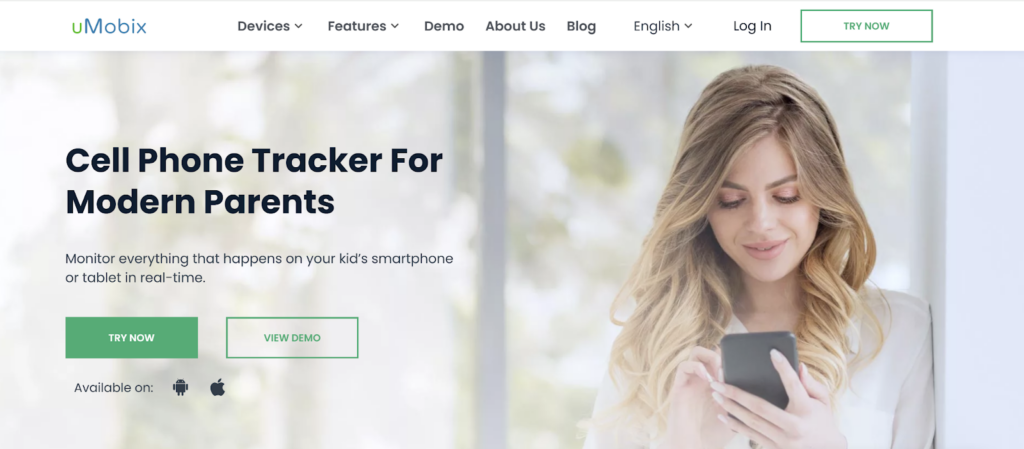
uMobix approaches this differently by connecting activity across apps into a continuous view, rather than reducing everything to a single number. Instead of just reporting hours, it shows the pattern behind them, which is the part that actually helps a parent understand what’s going on.
With uMobix, parents can:
- See communication patterns across multiple apps in one place
- Access real-time screenshots that show actual context, not just duration
- Identify shifts in behavior early, before they escalate into something bigger
- Understand social media safety for teens as an ongoing pattern, not a single daily total
Getting started takes just a few steps:
- Create an account and select a plan.
- Follow the guided setup on the device you want to include.
- Access your dashboard from any browser.
- Review activity and context together, not screen time in isolation.
Phone Tracker App vs. Basic Screen Time Tools: What’s Missing
Standard screen time tools were designed to answer a simple question, and they answer it well. The problem is that the question they answer isn’t the one most parents actually need answered, especially once a real concern shows up.
Where basic tools consistently fall short:
- No visibility into what content is actually being viewed or shared
- No way to connect a sudden mood shift to a specific pattern of activity
- Limited or no coverage of messaging apps where real conversations happen
- Reports that update too slowly to catch anything meaningful in the moment
A phone tracker app built only around counting hours misses the layer that actually explains behavior. Even a well-marketed parental control app for android often stops at the same surface-level reporting, leaving the more meaningful context completely untouched. A parental control app for android that only counts hours is solving the easy half of the problem.
Reading the Data Without Overreacting
More context doesn’t mean every data point deserves an immediate reaction. A single unusual evening could mean anything from a late homework night to something worth a conversation. Looking for patterns across several days, rather than reacting to one moment, keeps the added context genuinely useful instead of a source of constant alarm.
Starting the Conversation, Not Just the Monitoring
Context is most useful when it leads to an actual conversation, not just a longer list of concerns to hold onto silently. A few habits keep that context productive rather than overwhelming.
- Bring up patterns, not single incidents, when starting a conversation about screen habits
- Focus on what was happening during the time, not just how much time was logged
- Use specific examples sparingly, and only when they genuinely help explain a concern
- Revisit the conversation periodically, since habits and content both keep changing
Approaching the data this way turns a phone tracker app into a starting point for understanding, rather than a running tally used only to catch mistakes after the fact.
Verdict
A screen time total tells you how long a device was in use, not what happened during that time or how it affected a teenager’s mood and choices. Understanding social media safety for teens means looking past the clock and into the pattern underneath it. uMobix closes that gap directly, turning a phone tracker app into something that explains behavior instead of just measuring it, which is the difference parents actually need when a number alone isn’t enough to go on.