

















































A breaking-news desk often has a confirmed fact before it has a useful picture. The empty video slot creates pressure to fill space. A dramatic generated street, crowd, or weather scene may look plausible enough to run, even though nobody recorded it and the reported event may look completely different.
The desk needs a no-fabrication rule before opening an AI Video Generator. Generated b-roll may explain a general process or provide a neutral transition. It must not depict a named event, person, location, or consequence as though a camera witnessed it.


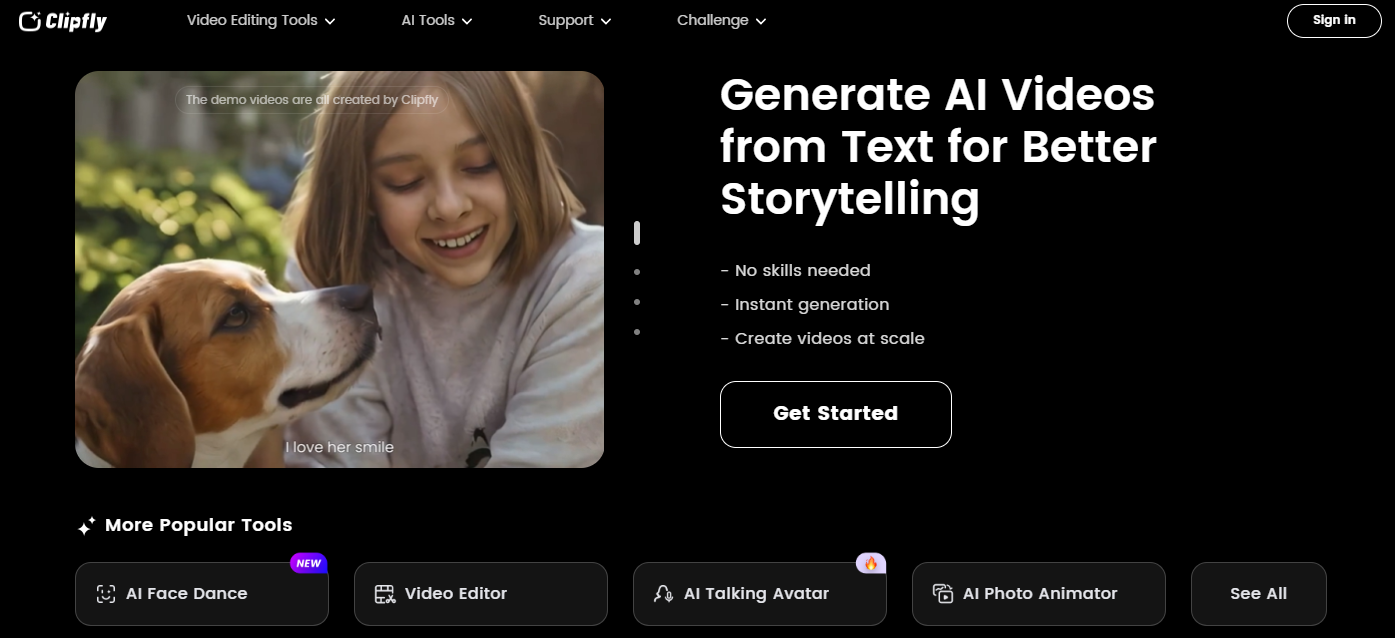
MakeShot.ai offers text-to-video and image-to-video generation in a browser. That makes it useful for controlled visual drafting. It also makes a written boundary essential, because a smooth clip can move from concept to publication faster than its factual status can be checked.
Define the Footage Gap Before Filling It
Name what the story lacks. A transition between two verified interviews is different from footage of the incident itself. A diagram of how a system works is different from an image of the system failing on that day. The more specific the missing evidence, the less appropriate a generated substitute becomes.
Mark Named Events as Off Limits
If the article names a fire, protest, crash, storm, arrest, or public figure, do not generate a scene that appears to show that occurrence. Even a generic prompt can inherit the story’s context once the clip is placed beside the headline. A viewer will connect the image to the reported event.
Keep Every Neutral Transition Truly Neutral
Abstract movement, an unbranded calendar, a simple route line, or a close shot of ordinary equipment may work when it does not imply a particular place or outcome. Remove uniforms, landmarks, logos, faces, license plates, and dramatic damage. Neutral means the clip carries no hidden claim about who was present or what occurred.
Test neutrality by moving the clip beside a different headline. If the same asset suddenly appears to show another named event, it is too suggestive for either story. A genuinely general transition should retain its modest job across contexts. This test also exposes emotionally loaded color, smoke, flashing light, or camera shake that the production team stopped noticing while focused on one article.
Write a Prohibited-Claims List for Every Story
Before drafting a visual, list the claims it must not make. For a transport disruption, the list may include the cause, number of vehicles, crowd size, weather, and condition of the road. For a company story, it may include a factory, product failure, employee, or customer that the newsroom has not photographed.
| Story element | Safe visual job | Reject when the clip |
| Timeline | Show sequence with abstract blocks | Invents a scene for any block |
| Route | Animate a verified map line | Adds traffic or emergency vehicles |
| Process | Illustrate a general mechanism | Looks like evidence from the named case |
| Transition | Create a calm visual pause | Introduces a person, place, or damage claim |
The list turns “be careful” into a review tool. An editor can stop the clip at any frame and ask which claim the image appears to make. If that claim is not supported by reporting, the visual does not run.
Keep the list beside the generation brief. Do not depend on memory after watching several variants. Repetition makes invented detail feel familiar, and familiarity can be mistaken for evidence.
Add one column for audience inference. A clip may contain no explicit victim, yet a low camera angle and emergency-colored light can still imply danger. Ask what a hurried viewer would conclude before reading the caption. The review is about the meaning created on the page, not only the objects a prompt requested.
Save the prompt and the rejected frame. If the same visual mistake appears in a later story, the desk can recognize the pattern and strengthen its prohibited list. That small archive builds editorial judgment without turning one generated clip into a universal rule.
Route the Draft Through a Newsroom Review
Use two reviewers with different jobs. The visual editor checks whether the clip follows its narrow brief. The story editor checks whether placement creates a claim beyond the reporting. A pass from only one side is incomplete.
Generate From the Narrowest Safe Brief
Describe the visual job without copying the headline into the prompt. “Four abstract stages moving left to right” is safer than “show how the named accident unfolded.” When a verified diagram or map exists, image-to-video keeps the source visible and gives reviewers a concrete comparison.
Watch once without the article context. Ask a reviewer who has not read the story to describe what the clip seems to show. If that person identifies a crash, riot, flooded town, guilty company, or injured person, the visual is carrying a factual claim. A neutral brief has produced a non-neutral reading.
Watch the Clip Again Beside the Headline
Placement changes meaning. A generic plume of smoke beside a report about one factory will look like that factory. A worried face beside an arrest story will look like a participant. Review the final pairing, not the asset in isolation, and reject any combination that converts illustration into implied footage.
Repeat the placement check on a small screen where labels and captions may fall below the fold. If the disclosure disappears while the clip and headline remain, the image must be safe without relying on that lost context or the layout must keep the label attached.
The second AI Video Generator mention belongs at this review gate. MakeShot.ai can supply variants, but the publishing desk controls the claim created by context. Keep a screenshot of the final placement with the approval record.
Release Only B-Roll That Makes No New Claim
Label illustrative material in plain language when a reasonable viewer could otherwise mistake it for recorded footage. Place the label near the clip, not in a distant methodology page. Keep dates, names, locations, and source notes in ordinary editorial text where they can be corrected.
Set an expiry review for stories that continue developing. A neutral route or process animation may remain accurate while the headline, timeline, or surrounding facts change. The desk should reopen the pairing after a major update rather than assume that an approved visual stays appropriate forever.
Keep the original approval note with every syndicated copy. A partner site may change the headline, crop, or caption and create a stronger implied claim than the newsroom approved. The visual status has to travel with the asset.
MakeShot.ai fits explanatory visuals when the desk has already defined a safe, general job. It does not fill a reporting gap and should not make an unavailable scene feel witnessed. If the story needs evidence, wait for evidence.
The publishable clip is the one that helps a reader follow the story without adding a person, place, action, or consequence the reporting never established.