



















































Every December, thousands of people land in Geneva or Zurich with a suitcase, a ski bag and a plan that sounded easy. Get to the resort, check in, hit the slopes. Then real life shows up. There’s snow on the road, three train changes with a pair of skis, and a kid who needs the toilet right now.
I’ve seen people handle this well and badly, and it almost always comes down to picking the right way to travel for their group. There are three real options, and none of them is wrong. They just suit different people, and winter makes the differences bigger than you’d expect.


The train
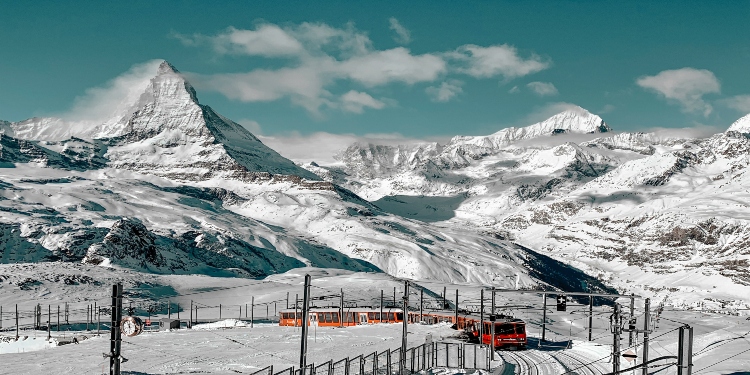
Swiss trains are brilliant. I’ll say that first. For most journeys they’re hard to beat. Ski trips are where it gets trickier. A lot of resorts need two or three changes, and every one means dragging skis, boots and bags along a platform, sometimes with only a few minutes to spare.
If you’re travelling light and on your own, the train is cheap and pleasant. If you’ve got a family and a mountain of gear, you’ll feel like you’ve done a workout before the holiday has even begun.
The hire car
Having a car at the resort is handy, no question. You can pop to the shop, drive to another village, ski somewhere different for the day. The tricky part is the beginning. Picking up a car after a long flight and then driving unfamiliar mountain roads in winter is a lot to take on. You’re thinking about snow tyres, chains, hairpin bends and where to park once you get there.
If you’ve done it before and you like driving, it’s a good choice. If you haven’t, the first evening can be pretty stressful.
The private transfer
This is the simple one. A driver collects you at the airport and takes you straight to your door. You don’t change vehicles, you don’t look at a map, and you don’t worry about the weather, because someone who drives those roads all the time is dealing with it for you. You can nap, answer emails or just watch the mountains go by.
It’s not the cheapest option, and it would be silly to claim it is. But when you split a fixed fare between everyone in the car, it often works out closer to the alternatives than people think.
Starting from Geneva
Geneva is the usual gateway for the western resorts, like Verbier, Gstaad and Montreux. If you’re comparing a limousine service Geneva travellers can book ahead, the main thing to look for is a clear, fixed price written down before you commit.
IMA Limousine Services, a Swiss chauffeur company, is a good example of how that looks. Its Geneva page lists fixed fares from the airport, including CHF 712 to Verbier and CHF 663.60 to Gstaad. The company says each price covers the whole Mercedes V-Class, which seats up to seven, and that it’s confirmed before you book. Split between six people, the Verbier fare is around CHF 119 each, door to door, with the luggage included. Whether that fits your budget is up to you, but it’s much easier to judge a price you can see up front than one that turns up afterwards.
Vehicle size matters more than people realise on a ski trip. Skiers carry a lot more than business travellers do, so a van with proper luggage space saves a lot of squeezing and arguing.
Starting from Zurich
Zurich takes you towards a different set of places, including Davos, St. Moritz, Lucerne, Zug and Interlaken. The airport has good train connections, so if your resort is on a main line, the train is a decent bet.
If your destination is further out, or you’re travelling as a group, it’s worth looking at a limousine service in Zurich and asking for a quote for your exact route. IMA’s Zurich page covers airport transfers as well as hourly and corporate bookings, which is handy if your trip involves more than one drop-off.
The trips to the Graubünden resorts can be long, and a direct transfer saves you several changes along the way. One thing worth asking is whether the driver tracks your flight. Winter delays are common, and the last thing you want is a driver who gave up waiting.
What to ask before you book
Whoever you choose, a few questions will tell you a lot about the company.
First, what does the price include, and is it for the whole vehicle or per person? Those are very different deals, so check luggage, waiting time and any extras too. Second, what happens if your flight is late or the weather turns bad? A decent company will have a clear answer. If they get vague, that tells you something.
Third, does the driver know the mountain roads in winter? You should get a confident yes. Fourth, will the vehicle fit your group and all your gear? Be honest about the skis, snowboards and bags, because an overpacked car makes for a miserable journey. And last, can you actually reach them if plans change? A working phone number, an email address and a real business address are the basics.
Book early, and sort the return trip too
Peak ski weeks fill up fast, especially around Christmas, New Year and the February school holidays. If you leave it to the last week, you might find fewer cars and higher prices. The easy approach is to book once your flights are confirmed and tweak the details later if you need to.
It’s also worth sorting the way home. Most people plan the outbound journey carefully and then forget that the last day means checking out, getting to the airport and catching a flight. Booking the return transfer at the same time takes one more thing off your mind at the end of the holiday.
If you’re still deciding where to go next, this guide to coastal and countryside holiday retreats is a good place to start.
So which one?
If you’re travelling light, going somewhere on a direct rail line and you like trains, take the train. It’s good value and a lovely way to see the country.
If you’re happy driving in winter and want the freedom to explore, hire a car.
If you’ve got a family or a group, a lot of gear, or a long way to go, a private transfer is usually the one that makes the start of the holiday feel like a holiday. You’re not really paying for the car. You’re paying for the absence of hassle.
If you’re still on the fence, add up what each option really costs: train tickets, the luggage hassle, car hire, fuel, tolls, parking and the stress. Then compare it with a fixed transfer price. Once you’ve done the sums, the answer often looks a bit different.