




















































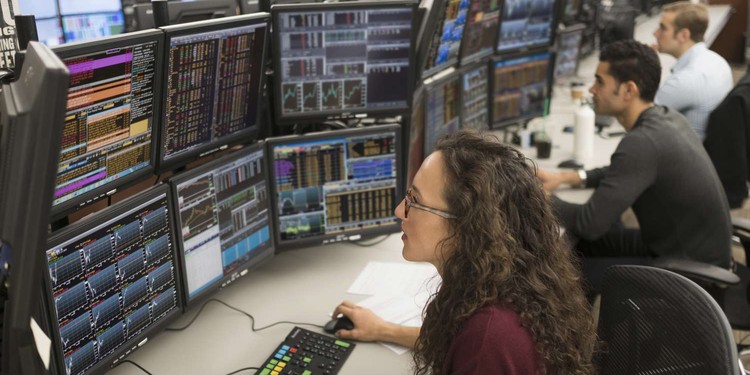
An untidy browser window can turn a routine market check into a series of distractions. Several tabs, a handwritten list, and no settled sequence for checking a price leave too much room for impulse. Buffint is worth assessing as a place to organise a process, not as a source of trade ideas. The useful question is whether a workspace can make the next action clearer without claiming to remove the uncertainty of a market decision.
For this test, I used Buffint to arrange a simple routine. I moved from a watchlist to a chart, compared instruments, looked for indicator settings, and considered what should be visible before an order is prepared. A short term trader, an investor following a small group of holdings, and someone learning chart basics may each need a different layout. The Buffint review considers the discipline of arranging those tasks rather than any promise of better outcomes.


Setting a Deliberate First Screen
An empty workspace forces a trader to decide what deserves attention. I looked first for a clear route through market categories, instruments, charts, account areas, educational material, and support. A sensible route matters more than a crowded landing page. When research, monitoring, and order preparation are easy to distinguish, it is easier to complete the relevant checks before acting.
I treated the watchlist as a working list rather than a catalogue of every possible market. A small group of instruments can be sorted by the question being asked: which prices need monitoring, which charts need a closer look, and which ideas should wait. That structure is not glamorous, but it can limit the temptation to chase whatever happens to be moving. Within this Buffint review, the workspace matters because it makes a narrow routine visible at a glance.
Buffint as a Daily Decision Sequence
A platform should not tell a trader what to think. It can give a process a consistent place to happen. My routine had four stages: scan the selected list, open the relevant chart, note the condition that would justify attention, then inspect the order area only if that condition is present. Keeping the stages separate showed how readily an order screen can create a false sense of urgency.
The browser based format suited this exercise because the same workspace could be opened from another device without assuming that a dedicated app is necessary. Charts, lists, and account information still need to be understandable on the available screen. On a smaller display, fewer panels and a shorter watchlist may be more useful than an attempt to copy a wide desktop arrangement. Those compromises deserve a test before the platform is used during a busy session.
Giving Each Chart Element a Purpose
Charts are most helpful when each element has a job. I began with price, a chosen time interval, and only enough indicators to answer a defined question. More studies can make a chart busy while making a decision less clear. A moving average may help one trader frame direction, while a volume view or volatility measure may matter more to another. The aim is not to collect signals but to understand what each signal is meant to show.
I also considered controls for comparing time intervals without losing the original context. A move that looks significant on a short chart can look ordinary on a longer view. The comparison does not produce a verdict, but it can slow an impulsive interpretation. The Buffint review places particular weight on that pause between seeing a move and deciding whether it suits a written plan.
Reading the Order Fields Before Acting
The move from research to an order ticket deserves care. Before considering an order, I wanted the instrument, direction, quantity, order type, and any limits or stops to be readable in one place. Traders should understand the difference between order instructions and completed trades. They should also check how an instruction may be amended or cancelled if market conditions change. These are process questions, not minor details.
During the test, the ticket served as a final check rather than a trigger. That meant returning to the chart, confirming the instrument, and asking whether the size suited the amount of risk I was prepared to accept. No platform can answer that question for the user. Still, a layout that presents the relevant fields plainly can support a calmer check. In this Buffint review, clarity at that point carries more value than a long list of order options.
Questions That Belong in the Account Area
Account pages are where broad product descriptions become specific questions. A trader should seek clear explanations of account options, funding methods, withdrawal steps, market access, and the terms that apply to a selected service. If a feature, charge, condition, or availability point is unclear, the sensible response is to ask support rather than infer an answer from a label. Keeping personal records of deposits, withdrawals, and order activity is also sensible.
Educational material can help a new user build vocabulary around these subjects, especially when it separates market concepts from platform mechanics. Guides on charts or order types are useful only when the learner can connect them to a cautious practice routine. Support deserves the same measured assessment: whether it explains a function or account procedure clearly, not the impression created by promotional language.
A Workspace Cannot Supply Judgement
The result of this test is modest. A trading platform can be a working environment for observation, preparation, and record keeping, but it cannot replace judgement. Its value depends on whether the user has reduced many possible actions to a repeatable sequence. A sparse chart, a focused list, and a deliberate stop before an order is sent may be enough.
For anyone assessing a platform, begin with one small task: build one list, inspect one chart on more than one time interval, locate the order fields, and find the account information that would matter after a trade. It also helps to write the reason for opening the platform before the session begins. That note can distinguish a planned check from an urge to react to a sudden price move. If the original purpose is no longer clear, stepping away from the order area can be a sensible part of the routine. That exercise reveals more than a tour of polished features. It keeps attention on the practical question of whether the workspace can support careful decisions when the market is moving.
Visit Buffint.com and find more about it.
Disclaimer: The content of this article is provided for general informational purposes only and should not be interpreted as personalized financial or trading advice. The author makes no representations or warranties regarding the accuracy, completeness, or timeliness of the information presented. Market dynamics are subject to frequent change, and past insights may not reflect current conditions. Readers should independently verify all facts and consult with a qualified financial advisor before making any investment decisions. The author and publisher accept no responsibility for any financial losses, decisions, or consequences resulting from reliance on this content. All actions taken based on this information are at your own risk.