

















































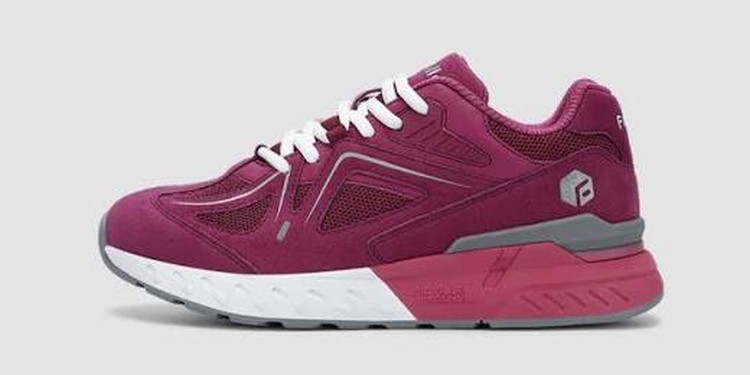
It’s nearly six o’clock, and you’re struggling to get your shoes off. The straps have left marks across your skin, your ankles look puffier than they did at breakfast, and the pair you normally find comfortable suddenly feels a size too small.
By the following morning, everything might be back to normal.


For some women, this happens regularly after work, during warm weather, or following a day spent travelling. Others notice swelling that doesn’t disappear so easily.
The shoes aren’t always responsible for the swelling itself. They can, however, turn a relatively minor change in foot volume into an uncomfortable afternoon. And occasionally, what looks like an ordinary footwear problem has a medical explanation worth investigating.
Why Do Feet Swell After a Long Day?
Consider a woman working behind a reception desk. She spends much of her shift standing, with occasional short walks between rooms.
By late afternoon, the tops of her feet are pressing against her shoes.
The explanation often involves gravity and circulation.
When you walk, your calf muscles help move blood upwards through the veins. Standing still or sitting for long stretches gives those muscles fewer opportunities to do their job.
Fluid may then collect in the tissues around the ankles and feet. Doctors call this oedema.
The NHS identifies prolonged sitting or standing, pregnancy, certain medicines, and problems with the veins among the reasons swelling develops.
Mild swelling after a long day sometimes settles after resting. But a repeated pattern still deserves attention if it’s becoming more pronounced, particularly when your feet remain swollen the following morning.
Why Hot Weather Makes Tight Shoes Feel Worse
Anyone who’s spent a summer afternoon walking around London has probably experienced shoes feeling less comfortable as the day progresses.
Your feet can become noticeably fuller in warm conditions.
Heat encourages blood vessels near the skin to widen, helping the body release warmth. For some people, this also makes it easier for fluid to accumulate in the lower legs.
The result is particularly noticeable in footwear with little spare room.
A sandal might fit beautifully when you leave home. Several hours later, the narrow straps are cutting into the top of your foot.
There’s an important distinction here.
A shoe that fits poorly may exaggerate the discomfort, but it doesn’t necessarily explain why the swelling began.
If you regularly experience swelling during warm weather, consider footwear that can accommodate modest changes without becoming loose everywhere else.
Can Hormones and Pregnancy Cause Swollen Feet?
Pregnancy can bring rather unexpected changes to a woman’s usual shoe size.
Some find that their favourite trainers feel tighter by the second or third trimester. Others notice their ankles swelling after spending an afternoon standing.
During pregnancy, the body retains more fluid, and the growing uterus can affect blood returning from the legs.
The NHS notes that gradual swelling commonly becomes more noticeable later in pregnancy and towards the end of the day.
Certain hormonal medicines, including some contraceptive treatments, may also contribute to fluid retention in susceptible individuals.
Not every pregnancy-related change is temporary. Foot shape can change as well, which may explain why shoes that fitted before pregnancy feel different afterwards.
Sudden swelling during pregnancy needs particular caution. A rapid increase around the face, hands, or feet, especially with a severe headache or blurred vision, requires immediate maternity advice because it may indicate pre-eclampsia.
When the Shoes Are Making Swelling More Uncomfortable
Picture two women with similarly swollen feet.
One wears soft lace-up trainers. The other has spent the day in court shoes with narrow toes and stiff uppers.
The swelling might be similar, but the second woman has far less room available inside her footwear.
That’s where shoe construction makes a difference.
A narrow toe box can squeeze the forefoot as it becomes fuller. A rigid strap may press against the instep, while a tight shoe collar can leave uncomfortable marks around the ankle.
The pressure isn’t necessarily causing the original fluid retention. It may simply be making the swollen areas more painful.
The NHS recommends avoiding tight shoes and socks when dealing with oedema.
If removing your shoes brings immediate relief, examine where they’ve been pressing. Deep marks or recurring rubbing may suggest that your footwear isn’t accommodating the changes in your feet.
Why Buying a Bigger Shoe Size May Not Help
Your size 6 shoes feel tight, so you decide to buy size 7.
The new pair is more comfortable across the front. Unfortunately, your heels keep lifting out of the back, and the shoes feel awkward when you’re walking quickly.
You may have solved the wrong problem.
Shoe sizes mainly describe length. They don’t tell you everything about forefoot width, instep height, or the room available above your toes.
Swelling might affect one of those areas more than another.
Someone with a fuller instep could struggle with tightly laced shoes even if there’s plenty of space around the toes. Another woman might need more room across the ball of her foot without requiring any extra length.
Before buying another size, identify exactly where the shoe has become restrictive.
When Extra-Wide Footwear Makes More Sense
Some women have naturally broad feet. Others find their forefoot becomes significantly wider when swelling develops.
If the sides of your shoes repeatedly press against the little-toe joints or leave marks along the forefoot, it’s worth investigating wider fittings.
For these women, extra wide fit shoes for swollen feet ladies may provide the missing room without the unwanted length that comes from sizing up.
Don’t let the width label make the decision for you, though.
Two extra-wide shoes can have quite different shapes. One might provide generous space around the toes but remain surprisingly shallow across the instep. Another could feel roomy everywhere, including around a heel that needs a secure fit.
The best way to judge them is to try walking.
Your toes should have space without being pushed together, while your heel stays comfortably inside the shoe.
Why Adjustable Straps Are Useful When Feet Change Volume
A fixed strap has one setting. Your feet, unfortunately, don’t always stay the same size throughout the day.
That mismatch becomes irritating when swelling develops beneath the strap.
Laces, buckles with several adjustment holes, and hook-and-loop closures give you more flexibility.
You can loosen the upper when your instep feels fuller, then readjust it when the swelling settles.
Oxfordshire Podiatry, part of Oxford Health NHS Foundation Trust, recommends footwear with adjustable fastenings that hold the foot securely without forcing the toes into a cramped position.
There’s no need to pull the fastening excessively tight.
The aim is to keep the heel settled while allowing the front and top of the foot enough room.
If loosening the straps still leaves pronounced pressure marks, the shoe itself may be too shallow or narrow.
Are Soft Shoes Always Better for Swollen Feet?
A very soft shoe can feel wonderful when you first put it on.
The upper gives a little, nothing seems to pinch, and the cushioning feels pleasant beneath your feet.
But softness alone doesn’t guarantee a suitable fit.
Some stretchy slip-on shoes provide very little heel security. They may feel comfortable while sitting, only to slide around once you start walking.
For day-to-day wear, a wider base and a fastening you can adjust may be more useful than a soft shoe that simply feels comfortable at first. Oxfordshire Podiatry’s NHS footwear advice also suggests looking at more than length alone, including how much width and depth the shoe gives your foot.Its advice also highlights a firm heel counter and enough space for the toes.
Look inside the footwear as well.
A raised seam positioned directly over a swollen joint can become irritating after several hours, even when the material around it feels soft.
Why Certain Fashion Shoes Become Uncomfortable So Quickly
There’s nothing wrong with enjoying a beautifully shaped pair of heels.
But a pointed court shoe and an eight-hour working day aren’t always a happy combination.
The narrow front can squeeze the toes, while the elevated heel shifts more body weight towards the forefoot.
If swelling develops later, the already limited space becomes even more noticeable.
Ballet flats have their own difficulties. Some are cut low across the toes, and styles without secure fastenings can allow the heel to move.
Sandals may seem like the obvious summer solution, although thin straps can dig into swollen skin.
Consider the occasion.
A pair that’s comfortable for dinner might not be suitable for a day of shopping, commuting, or standing at an event.
Having different footwear for different activities is often more useful than trying to find one fashionable pair that handles everything.
How to Choose Shoes When Your Feet Swell Regularly
If your feet are usually fuller in the afternoon, shopping first thing in the morning may not give you the most useful picture of fit.
Somerset NHS Foundation Trust’s podiatry advice recommends trying shoes later in the day, when feet may be more swollen.
Bring the socks or tights you’ll actually wear.
Stand up while your feet are measured and check both sides separately. One foot may be slightly larger than the other.
Oxford Health NHS Foundation Trust recommends approximately one centimetre of space between your longest toe and the front of the shoe.
Then examine the width and depth.
The upper shouldn’t press heavily across the instep, and your little toe shouldn’t feel trapped against the side.
When comparing extra wide fit shoes for swollen feet ladies, check that additional forefoot room hasn’t come at the expense of a secure heel.
If swelling changes your foot volume dramatically between morning and evening, professional fitting advice may be useful.
Small Changes That May Help During the Day
Someone who sits at a desk for most of the day might notice puffier ankles after several hours without much movement.
Getting up for occasional short walks allows the calf muscles to work.
For people who stand for long periods, taking breaks with the feet raised can sometimes ease discomfort.
The NHS recommends gentle activity and elevating the legs when possible for uncomplicated swelling.
Pregnant women may also find ankle exercises useful. NHS pregnancy guidance describes bending and stretching the feet 30 times, followed by rotating each foot eight times in each direction.
Compression hosiery can help some people with venous conditions, but it needs to be suitable for the individual’s circulation and medical circumstances.
Don’t buy strong medical compression simply because your shoes feel tight.
And if the swelling began around the time you started a new medicine, discuss it with the prescriber rather than stopping the treatment yourself.
When Swollen Feet Need Medical Attention
Suppose you’ve had mild swelling in both ankles after work for years. Then one afternoon, your left leg suddenly becomes swollen and painful while the right looks normal.
That’s a different situation.
Sudden swelling affecting one leg can sometimes indicate a blood clot, particularly when accompanied by warmth or redness. Urgent medical assessment is important.
The NHS also advises seeking medical help for severe, painful, unexplained, or worsening swelling.
If breathlessness, chest pain, or coughing up blood occurs alongside swelling, call 999.
For someone with diabetes, newly swollen feet deserve particular attention, especially when accompanied by redness, warmth, or reduced sensation.
The footwear might be uncomfortable, but buying another pair shouldn’t delay investigating symptoms that could have a more serious cause.
A Good Pair Should Still Fit at the End of the Day
The real test of everyday shoes isn’t how comfortable they feel during the first five minutes in a shop.
It’s what happens after you’ve walked to work, stood in a queue, spent several hours at your desk, and travelled home.
For women who regularly experience swollen feet, a little flexibility in the fit can make those hours much more pleasant.
Sometimes wider footwear is useful. For others, greater depth or adjustable straps solve the immediate discomfort.
And when swelling is new or unexplained, the answer may have nothing to do with shoe shopping.
Your feet shouldn’t have to spend the afternoon squeezed into shoes that only fitted properly at breakfast.
FAQs About Swollen Feet and Shoe Fit
Why are my feet swollen by the evening?
After hours of sitting or standing, fluid can collect around your ankles and feet. If the swelling disappears after rest, it may be temporary, although repeated or worsening symptoms deserve attention.
Can shoes actually cause swollen feet?
Shoes can press against swollen areas and make them painful. But fluid retention often begins for other reasons, including prolonged inactivity, pregnancy, medicines, or circulation problems.
Does hot weather make foot swelling worse?
It can. On warm days, blood vessels widen to help release heat, and some people notice their ankles becoming puffier after several hours outdoors.
Should I buy bigger shoes when my feet swell?
Check where the pressure occurs. A longer shoe might leave your heel slipping when what you really need is more room across the front or over the instep.
Are extra-wide shoes useful for swollen feet?
If the sides of your forefoot are being squeezed, a wider fitting could help. Swelling concentrated across the top may call for additional depth instead.
What shoes work well for women with swollen ankles?
Look for a comfortable fit around the ankle, adjustable fastenings, and a secure heel. Avoid stiff collars or straps that press into swollen skin.
Can pregnancy make ordinary shoes feel too small?
Quite easily. Fluid retention during pregnancy can make familiar footwear tight, especially later in the day. Sudden, pronounced swelling needs immediate maternity advice.
What can I do if my feet swell while working?
Try short movement breaks if you’re sitting for hours. If you spend the day standing, opportunities to rest with your feet raised may help.
Is compression hosiery suitable for swollen feet?
Compression can help with some vein-related problems, but it is not one-size-fits-all. Medical compression comes in different strengths, and the right one depends on why you need it. It is worth checking with a healthcare professional before choosing a pair.
When should I worry about foot swelling?
Sudden pain or swelling in just one leg is something to get checked quickly. If you also develop chest pain or find it hard to breathe, seek emergency care straight away.