

















































A cortisone injection used to mean a GP referral and then a long wait for an NHS clinic, and for most of the past few decades nobody questioned that order of things. Plenty of people still go that way. But many others have now stopped waiting, and are willing to pay a private clinic to have the same procedure carried out within days.
Waiting lists are only part of it, though. A generation that once accepted a year of knee pain as bad luck now treats it as a problem that can be solved much more quickly, and the reasons run deeper than queue length.


The Orthopaedic Queue Behind the Trend
Joint and tendon problems nearly all funnel towards one place, trauma and orthopaedics, and by the middle of 2025 that single specialty held the longest hospital waiting list in England according to NHS Providers. The queue stood at 808,570 patients. That figure accounts for around 11% of all waits in the system, more than any other area of hospital medicine carries.
Most of those patients were in pain long before any referral. GPs tend to try rest, painkillers, physiotherapy and activity changes first, so by the time a hospital letter lands, a sore knee has often been sore for over a year. Shoulders and hips fare no better.
Once the appointment finally happens, the specialist will often recommend a steroid injection as the opening treatment anyway, and the appointment itself takes around 20 minutes. Patients pay attention to the maths. A year on a list for something a private clinic could book in for next week stops making sense to anyone whose knee hurts today.
The Conditions Behind the Demand
Knee osteoarthritis drives the most bookings. Versus Arthritis estimates 5.4 million people in the UK live with the condition, and when exercise and weight management stop keeping a flare-up in check, an injection remains the standard next step.
Frozen shoulder sends plenty of patients the same way. It mainly affects people between 40 and 60 and can drag on for two years or more, with pain that peaks at night during the early phase. And when a well-timed injection can take the edge off for months, few sufferers see much sense in waiting half a year to get one.
Hip bursitis, tennis elbow, carpal tunnel syndrome and plantar fasciitis make up most of the remaining demand. A lot of this demand comes from people still in work. A delivery driver who can’t grip a steering wheel, or a nurse who can’t stand for a whole day, will usually decide that a few hundred pounds is a fair price for months of relief when earnings depend on the joint working. Pain gets expensive fast in those jobs.
How the Private Route Works
Booking privately starts with self-referral at most clinics, since a GP letter is rarely required and appointments tend to come up inside a week instead of after months of waiting. That removes the first queue entirely.
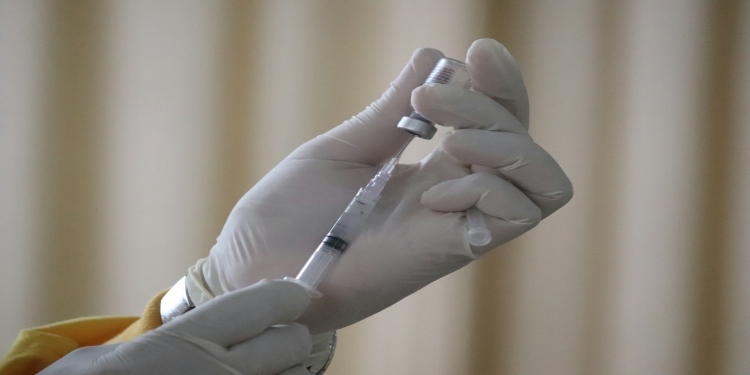
Many clinics now run a one-stop service as well, so private cortisone injections will often be delivered in a single visit that covers both the consultation and a diagnostic ultrasound scan before the needle goes anywhere near the joint. That’s where the real difference lies. A clinician watching the needle on screen can place the steroid at the exact source of the pain, where an unguided injection has to rely on anatomy and luck.
Before going down this route, patients should confirm the clinician is registered with a body such as the HCPC or GMC, and ask directly whether the injection will be guided by imaging. Costs are easy to find too. Most clinics publish fees for each joint upfront, so the full amount is known before anyone commits.
A Country That Mixes and Matches Its Healthcare
Private treatment has grown far beyond injections. The Private Healthcare Information Network recorded 953,000 admissions to UK private hospitals in 2025, the highest annual total yet seen, with self-pay admissions near their peak and hip and knee replacements among the procedures people most often fund themselves.
Hardly any of these patients abandon the NHS for good. A more common pattern mixes the two systems, with the GP consultation and any later physiotherapy staying public while the patient pays privately for the scan and the injection in between. The price gap drives that choice. Set against a five-figure bill for a private knee replacement, an injection looks cheap, which is why self-pay now reaches far beyond the wealthy.
Limits apply, as with any steroid treatment. Relief tends to last weeks or months without repairing anything in the joint itself, and most clinicians will cap things at three injections a year in any one area. For many patients those pain-free months are the whole point, keeping them in work while a longer-term plan takes shape.
What This Means If You’re on the List
Orthopaedic waiting lists will stay long for years whatever targets ministers set, so private injections will keep plugging the gap between a GP visit and hospital treatment. The harder question is personal. Most people will have a clinic within reach, so the decision rests on whether paying will meaningfully improve their life day to day.
Sleep and work make a decent test. When pain wrecks either of them, a private injection will buy usable months that no waiting list can offer, while pain that stays manageable can wait for the NHS without any bill at all. The GP should hear about any private injection though, because it works best alongside physiotherapy, and that part of the plan still has to come from somewhere.