

















































Most firms already know the line they want a customer to remember. The offer is on the site, the product is on the shelf, and the story of the business is something a person could say out loud. Video becomes useful when it carries that line into a scene. It becomes a problem when the picture invents a result, a price, or a customer the firm has never claimed.
The line is the brief
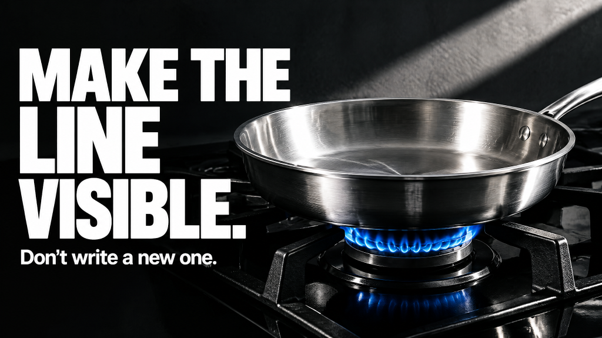
A conventional shoot asks for a crew, a location, and a day that has to be booked. A generated scene asks for the sentence first. Say what the viewer should understand by the last frame: the product, the place, and the single action that shows it. A cookware firm might show the pan on the hob. A shop might show the parcel leaving the counter. The picture is there to make the existing sentence visible, rather than to write a new one.


One setting and one action are enough for a first cut. If a later version adds a discount, a performance claim, or a promise that is not in the brief, that version stays a draft until the line matches.
A single spot stays editable
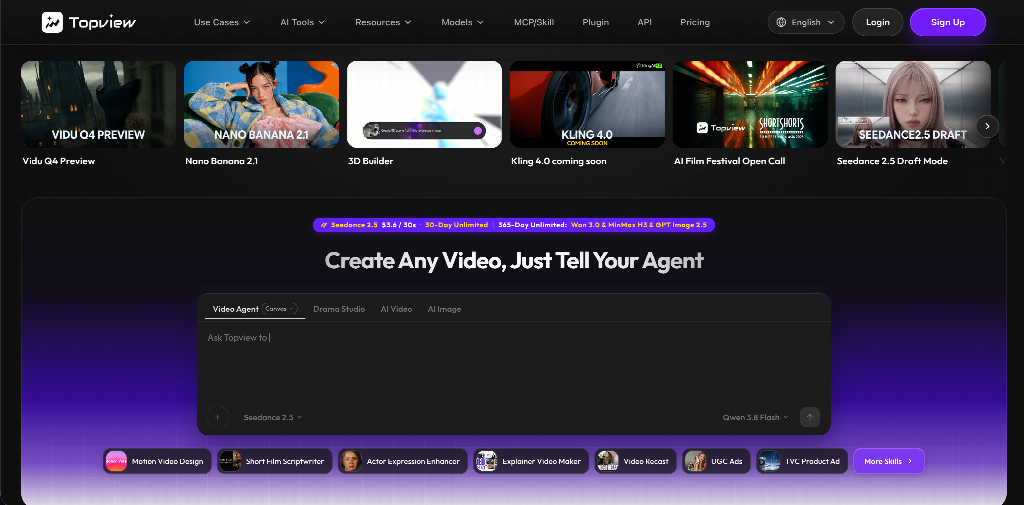
Topview is the workspace for that spot. You describe the idea, paste the campaign line, add a reference for the pace, or point the draft at the product page. The workspace plans the scenes, selects the models, and keeps each shot editable, so a change to the sentence can be carried into the picture. The plan and the credits sit on the site before anything is generated. The firm still places the ad. A generated frame remains a draft until someone at the business decides it matches the offer.
A series has to remember the last episode
One spot can stand on its own. A run of episodes cannot. The next film has to keep the same people, the same place, and the same object, or the campaign starts to look like a different company. That continuity is what an AI Drama Generator project is for. The work can begin from a line, an outline, a script, or a chapter of the story the firm wants to tell in order. The project holds the characters, the locations, the props, and the beats, and those are reviewed before a scene is generated.
A version for the phone can be vertical. A generated face belongs to the draft. A founder, a member of staff, or a customer appears only with permission. Where a real person has to be in the frame, the photograph needs their agreement. Otherwise they stay out of the film.
Watch it the way a customer would
Play the cut once without stopping. The opening should be the product or the place the line already named, and the ending should be the same offer the page already makes. Any words painted into the picture deserve a second look, because generated lettering can come out wrong. The business still publishes the film, and it still has to stand behind every claim in it.