

















































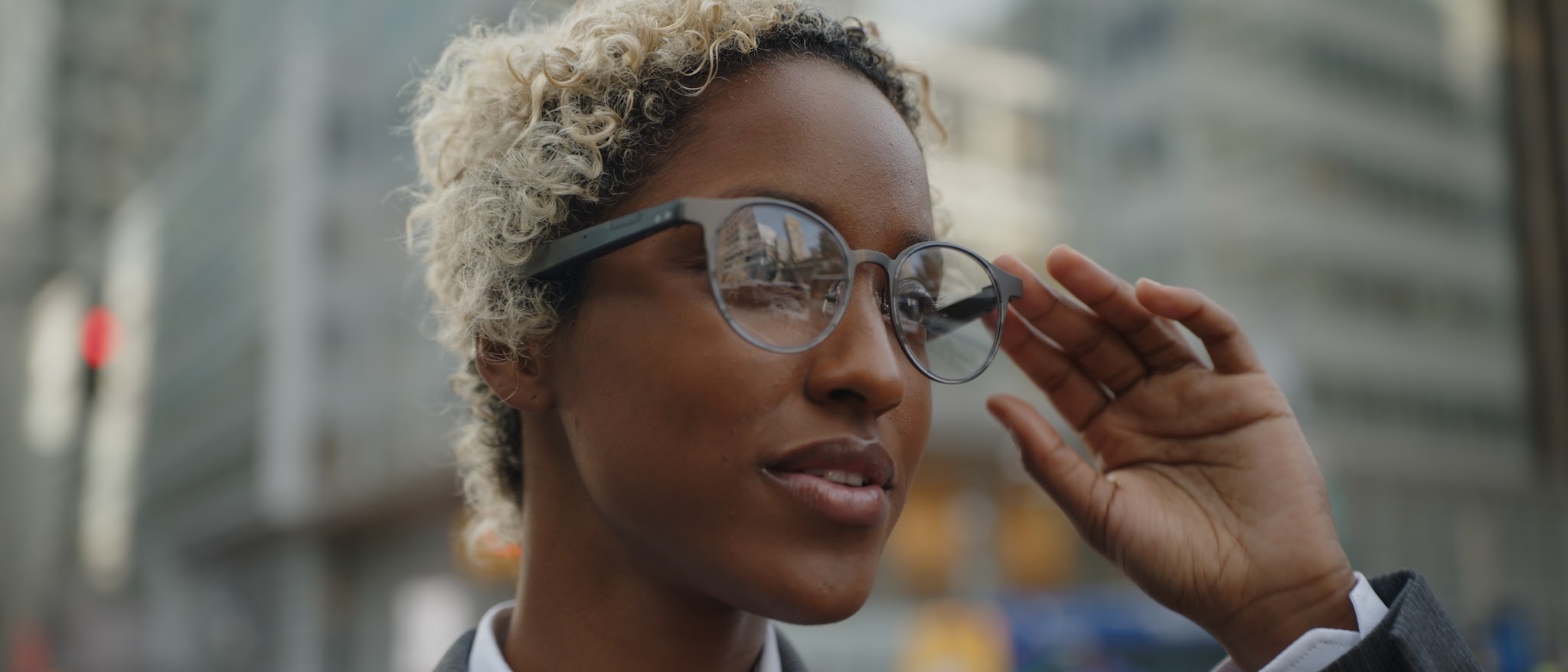
There is no single answer to how long prescription glasses last. Some pairs remain comfortable and functional for years, while others need attention much sooner because of scratches, changing prescriptions, damaged frames, or everyday wear. The right time to replace them depends less on the calendar and more on their condition and the needs of the person wearing them.
This is especially important for people who wear the same glasses throughout the day. Small problems that seem insignificant at first can become increasingly noticeable with regular use. A loose temple, worn coating, uncomfortable fit, or outdated prescription can affect the experience long before the glasses become completely unusable.


For consumers researching prescription-ready smart glasses, prescription support is therefore an important part of the long-term ownership question. A smart frame should not only work with a prescription when it is purchased; users should understand how replacement lenses and future prescription changes are handled.
Prescription Changes Can Be the First Reason to Reconsider Your Glasses

A frame can remain physically perfect while the prescription inside it is no longer appropriate. Changes in vision can make an otherwise good pair of glasses less useful, particularly when the wearer begins noticing that objects are no longer as clear or that focusing has become more difficult.
A new prescription does not automatically mean a new frame is required. If the existing frame remains in good condition and is suitable for the new lenses, replacing the lenses may be enough.
The important point is that the decision should be based on the wearer’s current vision needs rather than the age of the frame alone. A relatively old frame with a comfortable fit may still be worth keeping, while a newer frame may need replacement if it has significant damage.
Scratched Lenses Are More Than a Cosmetic Problem
Minor marks on lenses can be easy to ignore, especially when they are not directly in the center of vision. Over time, however, scratches can become more distracting and affect the overall viewing experience.
Lens coatings can also deteriorate with repeated cleaning, exposure to heat, chemicals, or general wear. If a lens has developed noticeable damage or its surface no longer performs as expected, replacing the lenses may be more practical than continuing to use them.
The cost of replacement depends on the lens material, prescription, coatings, and design. Someone with a simple prescription may have different options from someone who needs specialized or progressive lenses.
A Damaged Frame Does Not Always Need Immediate Replacement
Frames experience constant physical stress. They are opened and closed repeatedly, placed on surfaces, adjusted on the face, and sometimes exposed to accidental drops or pressure.
Loose hinges and worn nose pads may be relatively simple problems. A professional can sometimes repair or adjust these components without replacing the entire frame.
More serious damage is a different matter. Cracks near the lens openings, badly bent temples, weakened materials, or repeated structural failures may make a frame unreliable. In such cases, investing in new lenses for the damaged frame may not be worthwhile.
Comfort Is an Important Sign That Often Gets Overlooked
People sometimes judge the condition of glasses only by whether they can still see through the lenses. Comfort deserves equal attention.
A frame that constantly slides down the nose, presses against the temples, leaves uncomfortable pressure marks, or feels increasingly heavy may no longer be suitable for all-day use. Small fitting problems can become especially noticeable for people who wear their glasses from morning until night.
A professional adjustment may solve some problems. If the underlying frame shape or size is no longer suitable, however, replacing the frame can provide a more meaningful improvement.
What Should Be Replaced?
When prescription glasses begin showing signs of wear, the entire pair does not necessarily need to be discarded. Looking at the frame and lenses separately can make the decision easier.
| Problem | Possible Solution | When a Full Replacement Makes More Sense |
| Prescription has changed | Replace lenses | Frame is also unsuitable for the new prescription |
| Minor scratches | Consider new lenses | Frame is worn or damaged too |
| Worn lens coating | Replace lenses | Overall frame condition is poor |
| Loose hinges | Repair or adjust frame | Repeated structural problems |
| Damaged nose pads | Replace or adjust pads | Frame no longer fits properly |
| Cracked frame | Replace frame | Especially if damage affects lens security |
| Poor comfort | Adjust or replace frame | Shape or size is fundamentally unsuitable |
| Old but well-maintained frame | Continue using if appropriate | Replace when condition or compatibility declines |
This approach avoids replacing a perfectly usable frame simply because the prescription needs updating. It also prevents spending money on new lenses for a frame that is already near the end of its useful life.
Smart Frames Add Another Long-Term Maintenance Question
The calculation becomes different when the frame itself contains electronic components. Traditional prescription glasses are mainly mechanical and optical products. Smart eyewear may also contain microphones, speakers, batteries, wireless components, and other hardware.
That means long-term maintenance involves more than checking whether the lenses and hinges remain in good condition. Users may also need to consider charging, connectivity, electronic functionality, and how the frame should be serviced if its prescription needs to change.
Jobs Circle Prescription-Ready Smart Eyewear
Dymesty’s Jobs Circle provides a useful example of how prescription functionality can exist alongside smart features. For someone who already relies on prescription glasses, the advantage of this type of design is that the eyewear does not have to be treated as a completely separate device. The frame can serve its basic optical purpose while also providing additional technology-based functions.
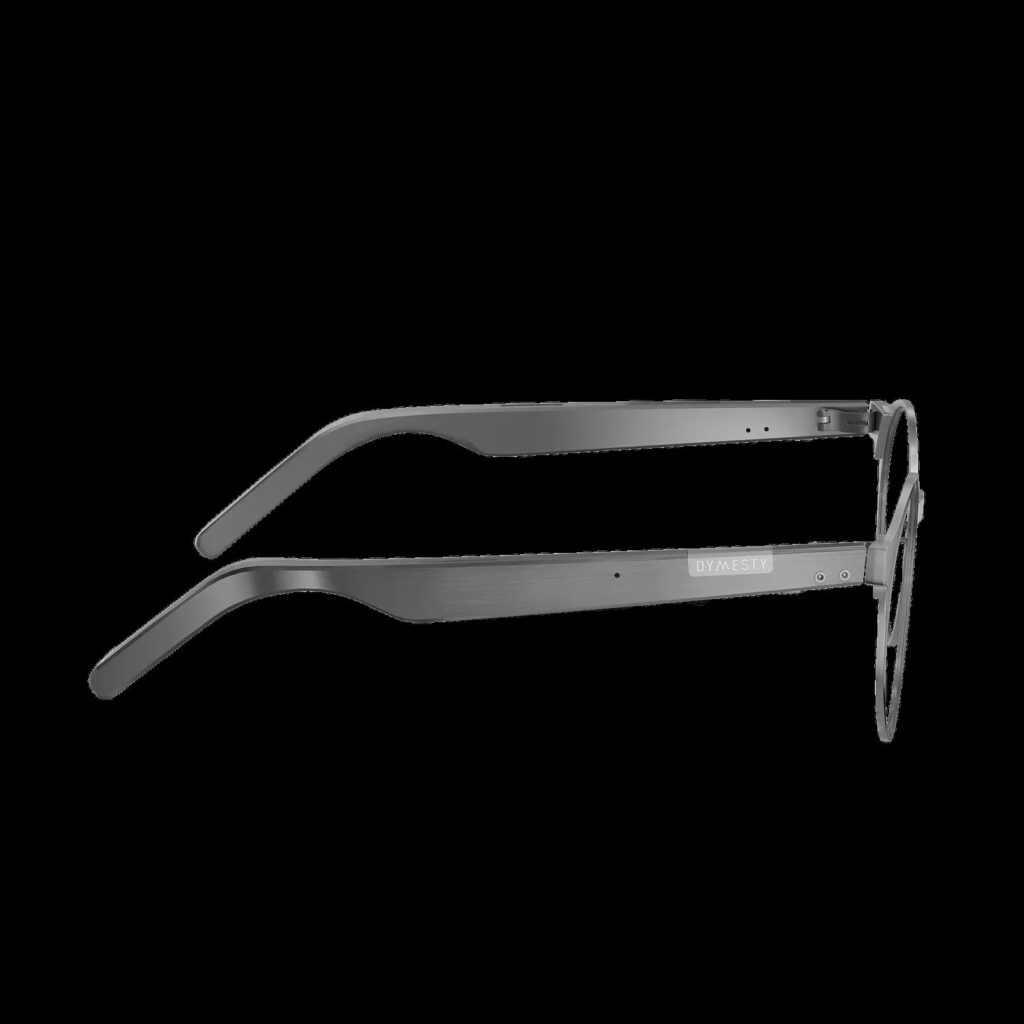
Dymesty can support replacement lenses for the product, which is an important consideration for long-term prescription wearers. Custom or prescription lenses also require an additional 3–5 business days of processing time, so buyers should account for that when ordering rather than assuming every pair follows the same standard fulfillment timeline.
This is a useful distinction when thinking about smart eyewear ownership. The long-term value of a product is not determined only by its initial features. The ability to maintain the optical side of the glasses as a prescription changes can also influence how practical the product remains.
Batteries and Electronics Have Their Own Maintenance Needs
Unlike conventional glasses, smart eyewear depends on a power system for its electronic functions. That introduces a maintenance consideration that has nothing to do with prescription lenses.
A user may still have a perfectly good frame and lenses but find that electronic features require more frequent charging over time. This does not automatically mean the eyewear itself needs to be replaced, but it does make battery behavior part of the broader ownership experience.
The same applies to wireless connectivity and other digital functions. If the glasses are designed to work with a companion device or application, continued software and connection support can influence how useful the smart features remain.
When Is It Time to Replace the Whole Pair?
A complete replacement usually makes the most sense when several problems appear at the same time.
For example, a frame may be structurally worn, the lenses may have significant scratches, and the current prescription may no longer be suitable. In that situation, replacing only one component may provide limited value.
The same principle applies to smart eyewear. If the frame is no longer comfortable, the prescription needs cannot be supported, and important electronic functions are no longer practical, buying a new pair may make more sense than trying to extend the life of individual components.
The goal is not to replace glasses as soon as they reach a certain age. It is to recognize when continued use no longer provides the combination of clear vision, comfort, reliability, and functionality the wearer needs.
How to Extend the Useful Life of Prescription Glasses
Proper care can help both conventional and smart eyewear remain useful for longer. Simple habits can reduce unnecessary stress on the frame and lenses.
- Use appropriate lens-cleaning methods rather than abrasive materials.
- Store glasses in a protective case when they are not being worn.
- Avoid leaving them in places exposed to excessive heat.
- Handle the frame with both hands when taking it off.
- Have loose hinges or fitting problems adjusted instead of repeatedly forcing the frame into position.
- Follow the manufacturer’s instructions when cleaning or maintaining smart eyewear.
- Address lens damage before it becomes a larger problem.
These steps cannot prevent every form of wear, but they can reduce avoidable damage and help owners recognize problems earlier.
The Lifespan of Glasses Is Really About Condition
So, how long do prescription glasses last? There is no universal number that applies to everyone. A well-maintained frame may continue to serve its purpose for years, while another may need replacement much sooner because of damage, poor fit, changing vision, or worn lenses.
The better approach is to assess the glasses as separate components. Ask whether the prescription is still appropriate, whether the lenses remain in good condition, whether the frame is structurally sound, and whether the glasses remain comfortable enough for everyday use.
For smart eyewear, add another layer: check the condition and support of the electronic features, understand how replacement lenses are handled, and follow the manufacturer’s maintenance guidance.