




















































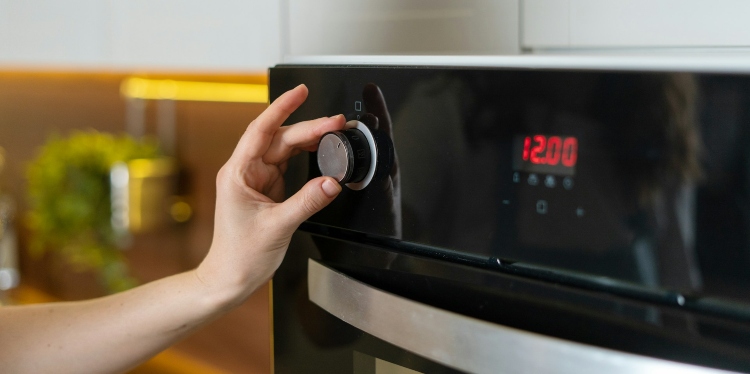
In the appliance trade – whether dealing with major white goods or compact countertop units – brand trust is decided on a razor-thin line between smooth operation and sudden breakdown. Fancy fascia panels and capacitive touch controls might close the sale on the shop floor, but internal components determine whether that unit survives a decade of daily use or lands back in a service bay within months. For appliance OEMs, specifying robust, purpose-built electronic and electromechanical components for ovens, dishwashers, or cooktops is simply sound commercial strategy; it stops warranty bleeding before it starts and protects operating margins.
Slashing warranty service costs and streamlining after-sales operations
Booking an engineer call-out during the warranty period is an expensive exercise. In practice, the bill for travel, parts distribution, and on-site labour can easily wipe out the entire profit margin on that individual unit. Fitting resilient, high-temperature switches, micro-calibrated thermostats, and drive motors tested across thousands of continuous cycles heads off service calls at the source.


Brand reputation as a competitive lever in global markets
In an export market driven by teardown reports and online owner feedback, long-term reliability is an OEM’s primary growth driver. A machine that runs year after year without thermal drift or mechanical hiccups signals genuine manufacturing pedigree, quickly turning buyers into brand advocates. Conversely, a single failing sub-assembly can tank user confidence across an entire product range, sending customers straight to competitors at replacement time. Reputations take years of consistent quality control to build, and dependable electromechanical modules form the foundation of that market trust.
Operational safety, technical compliance, and assembly-line throughput
Beyond the end-user’s home, component build quality directly affects factory floor metrics. Parts produced to strict dimensional tolerances from hard-wearing materials slot straight into place on the line, eliminating assembly-stage rework and accelerating production cycles. Moreover, strict compliance with international electrical safety standards heads off costly recall risks, ensures consistent performance under heavy usage, and keeps energy draw stable across the unit’s working life.
Long-term durability and full lifecycle sustainability
Stricter global eco-directives and changing consumer habits are steadily penalising throwaway appliances, putting the emphasis squarely on serviceability. Designing machinery around tough, accessible internal modules significantly extends product lifespan, curbing electronic waste from premature disposal. For manufacturers, engineering with long-term component durability in mind means meeting tightening circular-economy targets early, positioning their range as a modern, ethical, and commercially resilient choice.
Choosing strategic supply partners for lasting competitive advantage
Specifying quality electronic and electromechanical components is about far more than protecting an individual production run; it establishes long-term industrial partnerships that support continuous product innovation. OEMs that build vetted vendors and proven components into their engineering roadmaps gain genuine operational flexibility, minimising assembly downtime and securing component supply lines against volatile market demand. In an increasingly crowded global market, the precision engineering hidden beneath the chassis remains a manufacturer’s most enduring differentiator.

David Prior
David Prior is the editor of Today News, responsible for the overall editorial strategy. He is an NCTJ-qualified journalist with over 20 years’ experience, and is also editor of the award-winning hyperlocal news title Altrincham Today. His LinkedIn profile is here.