

















































Aluminium cladding has become one of the most widely specified external façade solutions in modern construction across the UK, particularly in commercial and large-scale residential projects. Contractors increasingly choose aluminium cladding systems because they offer a strong combination of durability, design flexibility, compliance with building regulations, and cost efficiency over the full lifecycle of a building.
As demand for modern architectural façades continues to grow, aluminium cladding has established itself as a preferred material for contractors working on office buildings, retail developments, industrial units, schools, and residential schemes. Its popularity is evident to Vulcan Cladding Systems, and not just based on appearance alone. It’s long list of practical advantages on site, its long-term performance, and its ability to meet strict UK construction standards.


In this article, we explore why aluminium cladding is such a popular choice for contractors, and how it supports efficiency, safety, and high-quality construction outcomes.
The Growing Demand for Aluminium Cladding in UK Construction
The UK construction industry has seen a steady increase in the use of aluminium cladding systems, particularly in commercial building façades and refurbishment projects. Contractors are under increasing pressure to deliver buildings that are not only visually appealing but also compliant with modern regulations and energy efficiency expectations.
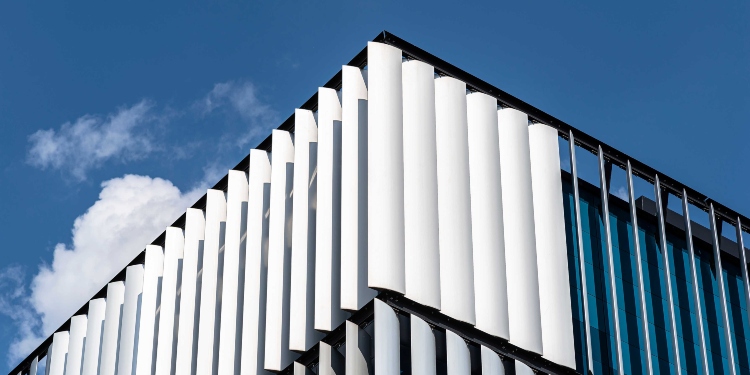
Aluminium cladding has become a go-to solution for modern façade systems because it aligns with these requirements. It is widely used in rainscreen cladding systems, external wall systems, and architectural façade applications where performance and appearance must work together.
Search interest in terms such as “aluminium cladding contractors UK”, “commercial cladding systems”, and “modern façade solutions” reflects this growing demand, particularly among developers and construction professionals looking for reliable and compliant building materials.
Why Contractors Prefer Aluminium Cladding on Site
One of the main reasons aluminium cladding is so popular among contractors is its practicality during installation. In construction, time efficiency and ease of handling are essential, especially on large commercial projects where multiple trades are working to tight deadlines.
Aluminium cladding panels are lightweight compared to many traditional façade materials. This makes them easier to transport, lift, and install on site, reducing manual handling challenges and improving overall installation speed. For contractors managing labour costs and programme deadlines, this is a significant advantage.
In addition, aluminium cladding systems are designed for modern construction methods, including rainscreen façade systems that allow for straightforward fixing and alignment. This reduces installation complexity and helps contractors maintain consistent progress across the project timeline.
Improved Installation Speed and Project Efficiency
Construction programmes are often tightly controlled, particularly in commercial developments where delays can have financial consequences. Contractors therefore prioritise materials that improve installation speed without compromising quality.
Aluminium cladding systems are widely recognised for supporting faster façade installation. The use of pre-finished panels, modular systems, and engineered fixing methods allows contractors to complete external envelope works more efficiently.
This improved installation efficiency not only reduces labour time but also helps streamline coordination between different trades. When façade installation is predictable and systematic, it becomes easier to manage overall project delivery.
For contractors searching for “fast façade installation systems” or “efficient external cladding solutions”, aluminium cladding consistently ranks as one of the most practical options available.
Durability and Long-Term Performance
Durability is one of the most important considerations in façade selection. Contractors must ensure that the materials they install will perform well over many years, with minimal maintenance requirements.
Aluminium cladding offers excellent resistance to corrosion, weathering, and environmental exposure. Unlike some traditional materials, aluminium does not rust, and when properly coated or finished, it maintains its appearance and structural integrity over time.
This long-term durability reduces the risk of post-completion issues, which is particularly important for contractors looking to maintain strong reputations and minimise remedial work.
In addition, aluminium cladding systems are designed to withstand a wide range of UK weather conditions, including heavy rain, wind exposure, and temperature fluctuations, making them suitable for both urban and coastal environments.
Compliance with UK Building Regulations
Building regulations in the UK have become increasingly strict, particularly in relation to fire safety, energy performance, and external wall systems. Contractors must ensure that the materials they use comply fully with current standards.
Aluminium cladding is widely used in tested and certified façade systems that meet UK regulatory requirements when correctly specified and installed. This includes compliance with fire safety standards and external wall system regulations.
For contractors, using compliant aluminium cladding systems reduces uncertainty during project approval stages and helps ensure smoother sign-off from building control authorities.
Search queries such as “fire safe cladding systems UK” and “compliant aluminium façade systems” highlight how important regulatory compliance has become in material selection.
Design Flexibility for Modern Architecture
Another major reason aluminium cladding is popular with contractors is its design flexibility. Modern construction projects often require visually striking façades that reflect contemporary architectural trends.
Aluminium cladding can be manufactured in a wide range of colours, finishes, and textures, including powder-coated finishes, metallic effects, matte surfaces, and bespoke architectural designs. It can also be formed into different shapes and profiles, allowing for curved façades, geometric patterns, and custom detailing.
This flexibility enables contractors to meet complex design specifications while maintaining a single, reliable façade system. It also simplifies coordination with architects and designers, ensuring that aesthetic requirements can be achieved without compromising buildability.
For search terms like “modern aluminium cladding designs” and “architectural façade systems UK”, aluminium remains one of the most frequently referenced materials.
Lightweight Construction and Structural Advantages
The lightweight nature of aluminium cladding provides additional structural benefits. Because it places less load on the building structure compared to heavier cladding materials, it can be used across a wide range of building types without requiring significant structural reinforcement.
This is particularly beneficial in refurbishment projects where existing structures may have load limitations. Contractors working on building upgrades often choose aluminium cladding as a way to modernise façades without extensive structural modification.
The reduced weight also contributes to easier handling on site, improving safety and reducing installation complexity.
Cost Efficiency Over the Full Project Lifecycle
While initial material cost is always a factor, contractors increasingly evaluate total lifecycle value rather than just upfront expenditure. Aluminium cladding offers strong long-term cost efficiency due to its durability, low maintenance requirements, and installation speed.
Reduced maintenance over time means fewer ongoing costs for building owners, while faster installation reduces labour costs during construction. These combined savings make aluminium cladding an economically attractive option for both contractors and developers.
In competitive tender environments, contractors often favour materials that offer strong performance while helping to control overall project costs.
Sustainability and Modern Construction Goals
Sustainability has become a key focus in UK construction, with increasing demand for environmentally responsible building materials. Aluminium cladding supports sustainability goals because aluminium is highly recyclable and can be reused without significant loss of quality.
Many modern façade systems incorporate recycled aluminium content, contributing to reduced environmental impact. This aligns with the growing emphasis on sustainable construction practices and low-carbon building design.
Contractors working on environmentally conscious projects often highlight aluminium cladding as part of their sustainability strategy, particularly in commercial developments aiming for green building certifications.
Versatility Across Different Construction Sectors
Aluminium cladding is used across a wide range of construction sectors, including commercial office buildings, educational facilities, healthcare environments, retail developments, and industrial warehouses.
This versatility makes it a practical choice for contractors who work across multiple project types. By using a consistent façade system across different developments, contractors can streamline procurement, installation methods, and workforce training.
Its adaptability also makes it suitable for both new build projects and refurbishment schemes, further increasing its appeal in the construction industry.
Conclusion
Aluminium cladding continues to be one of the most popular choices for contractors in the UK construction industry due to its combination of practical, regulatory, and design advantages. Its lightweight structure, ease of installation, durability, and compliance with modern building regulations make it a reliable and efficient façade solution.
In addition, its design flexibility, sustainability benefits, and long-term cost efficiency ensure that it remains a preferred material for both commercial and residential construction projects.
As demand for high-performance, visually appealing, and regulation-compliant building façades continues to grow, aluminium cladding is expected to remain a leading choice for contractors delivering modern construction projects across the UK.

David Prior
David Prior is the editor of Today News, responsible for the overall editorial strategy. He is an NCTJ-qualified journalist with over 20 years’ experience, and is also editor of the award-winning hyperlocal news title Altrincham Today. His LinkedIn profile is here.