




















































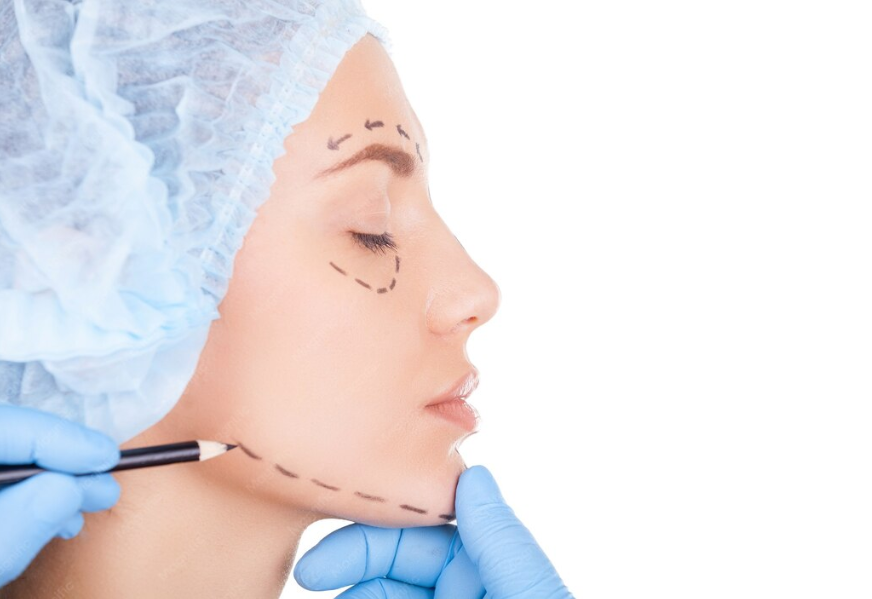
Deciding to undergo a cosmetic procedure is a deeply personal journey that requires careful planning and research. When researching options for plastic surgery in London like Delta Clinics, finding a highly qualified specialist is the most critical step to achieving safe, natural-looking results. London serves as a global hub for aesthetic medicine, offering access to some of the world’s most experienced surgeons. However, the sheer volume of clinics can make the selection process feel overwhelming. To make an informed choice, patients must look beyond marketing claims and focus on clinical excellence, surgeon credentials, and personalised care plans that prioritise patient safety above all else.
Verifying Surgeon Credentials and Professional Affiliations
The most reliable way to ensure your safety during any cosmetic procedure is to thoroughly verify your surgeon’s qualifications. In the United Kingdom, any doctor performing surgical procedures must be registered with the General Medical Council (GMC) and hold a licence to practise. Furthermore, specialist surgeons should be on the GMC Specialist Register for Plastic Surgery.


Look for Professional Associations
Membership in prestigious professional bodies, such as the British Association of Aesthetic Plastic Surgeons (BAAPS) or the British Association of Plastic, Reconstructive and Aesthetic Surgeons (BAPRAS), indicates that a surgeon adheres to the highest ethical and safety standards. These associations require members to undergo rigorous training and commit to continuous professional development.
When you attend an initial consultation, do not hesitate to ask about the surgeon’s specific training and how many times they have performed your desired procedure. A reputable specialist will gladly share their credentials and provide honest, transparent answers. Choosing a surgeon with these distinctions ensures that your treatment aligns with the highest medical standards established in the UK, minimising risks and helping you feel confident throughout your surgical journey. Additionally, check if they hold NHS consultant posts, as this often indicates a high level of peer recognition and ongoing clinical accountability in complex reconstructive work.
Understanding Modern Body Contouring Techniques
Body contouring has advanced significantly, moving away from invasive, one-size-fits-all treatments toward highly customised procedures. Patients seeking comprehensive abdominal rejuvenation often look for specialised options like a 360 tummy tuck in UK clinics, which addresses the entire midsection rather than just the front. This comprehensive approach targets the abdomen, flanks, and lower back to create a balanced, proportionate silhouette.
Customising Your Surgical Plan
A skilled surgeon does not rely on a single technique. Instead, they assess your unique anatomy, skin elasticity, and muscle tone to design a bespoke surgical plan. For instance, they might combine liposuction with muscle repair to address diastasis recti, a common issue after pregnancy or significant weight loss.
During your consultation, the surgeon should explain the differences between various techniques, such as mini, standard, and extended abdominoplasty. Understanding these details helps you set realistic goals. Whether you are interested in a 360 tummy tuck in UK hospitals or a less invasive contouring procedure, the right surgeon will explain the physiological reasons behind their recommendations, ensuring you understand exactly what the surgery can achieve for your specific body type.
Evaluating the Clinic Environment and Safety Standards
The quality of the surgical facility is just as important as the skill of the surgeon. When evaluating options for plastic surgery in London like Delta Clinics, you must ensure the facility is fully registered with the Care Quality Commission (CQC). The CQC is the independent regulator of health and social care services in England, ensuring that clinics meet strict standards of safety, cleanliness, and patient care.
The Importance of In-Person Consultations
A reputable clinic will always insist on an in-person consultation before scheduling any procedure. This visit allows you to assess the cleanliness of the premises, interact with the nursing staff, and observe the overall professionalism of the team.
Furthermore, top-tier clinics employ qualified anaesthetists who are registered on the GMC specialist register. Your anaesthetist plays a vital role in your safety and comfort during and immediately after the operation. Asking about the type of anaesthesia used and the qualifications of the medical support team provides peace of mind, knowing that every aspect of your care is managed by trained professionals who prioritise clinical safety above all else. High-quality clinics also maintain state-of-the-art emergency equipment and have clear protocols in place for immediate transfer to a private or NHS hospital if unexpected complications arise.
Realistic Expectations and Post-Operative Care
Achieving the best possible outcome from your surgery depends heavily on your post-operative recovery period. A successful procedure is only half the battle; the quality of aftercare determines how well your body heals and how long your results last. This is particularly true for extensive procedures, such as a 360 tummy tuck in UK clinics, where the recovery process requires diligent wound care and restricted physical activity.
Comprehensive Aftercare Support
Your surgeon should provide a detailed, written recovery plan that outlines what to expect in the days, weeks, and months following surgery. This plan should include instructions on pain management, wearing compression garments, and attending follow-up appointments.
A dedicated clinical team will schedule regular check-ups to monitor your healing progress and address any concerns early. They should also provide a 24-hour emergency contact number so you can reach a medical professional at any time. When researching providers of plastic surgery in London like Delta Clinics, prioritise those who offer comprehensive, surgeon-led aftercare packages rather than outsourcing recovery support to general practitioners or third-party nursing agencies. This continuous care ensures any minor healing issues are managed promptly by the team who knows your surgical history best.
Conclusion

Choosing to undergo a cosmetic procedure is a significant decision that requires careful research and realistic expectations. By prioritising GMC-registered surgeons, verifying CQC clinic ratings, and understanding the specific requirements of your recovery, you can secure safe and satisfying results. Whether you are seeking comprehensive body contouring or targeted facial rejuvenation, the right medical team will support you at every stage of your journey, from the initial consultation to the final follow-up appointment. Taking the time to select a reputable practitioner ensures that your safety remains the top priority, allowing you to achieve your aesthetic goals with confidence and peace of mind in a secure, professional clinical environment.