






















































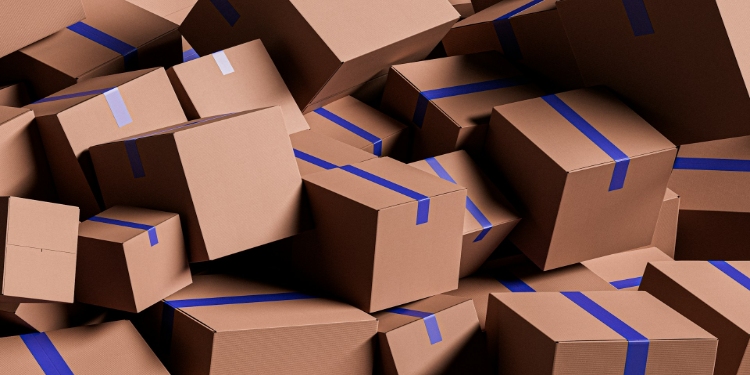
Learn how small businesses can streamline order fulfilment, improve packaging, reduce errors and create a smoother experience from order to delivery.
For a small online business, getting an order is only the beginning. Once a customer clicks “buy”, there is still a process to manage before the product reaches their doorstep. Orders need to be picked, packed, labelled and dispatched efficiently, while businesses also need to make sure products arrive in good condition.


A well-organised fulfilment process can make everyday operations easier and help create a more reliable customer experience. The good news is that small businesses do not necessarily need complicated systems to improve the way they handle orders. A few practical changes can make a noticeable difference.
Start with an organised packing area
One of the simplest ways to improve fulfilment is to create a dedicated space for packing orders. Keeping boxes, envelopes, tape, labels and other materials in one place means less time is spent searching for supplies every time an order comes in.
It is also worth considering how frequently different products are sold. Packaging that is used every day should be easy to reach, while less frequently needed materials can be stored elsewhere. Even in a small home office or stockroom, organising the workspace around the most common tasks can make the packing process quicker.
Businesses should also regularly check their stock of packaging supplies. Running out of essential materials when orders need to go out can create unnecessary delays, particularly during busy periods such as Christmas or seasonal sales.
Choose packaging according to the product
There is no single type of packaging that works for every order. The right choice depends on the size, weight, shape and fragility of the product.
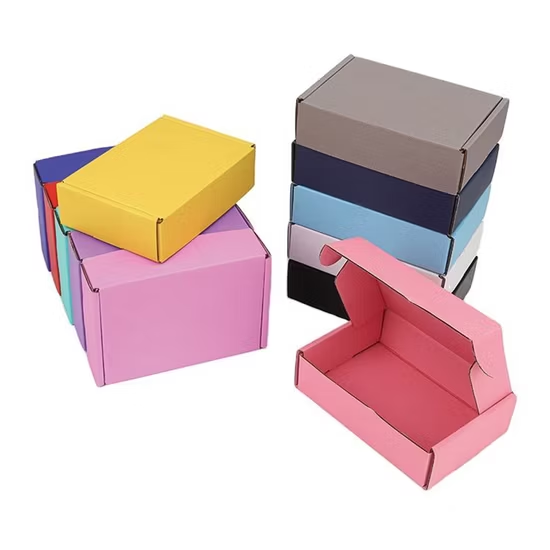
Smaller items may be suitable for envelopes or compact boxes, while larger or more delicate products may need stronger protection. For businesses sending documents, stationery, gifts or smaller retail products, postal boxes can provide a practical way to package individual orders while keeping the contents contained during transit. Businesses looking to organise their packing materials can also explore suppliers such as Bestbuyenvelopes, which offers a range of options for different dispatch requirements.
The aim is to strike a balance between protection and practicality. Packaging that is too large can take up additional storage space and potentially increase postage costs, while packaging that is too small may leave products vulnerable to damage.
Protect products without overcomplicating things
Customers expect their purchases to arrive in the same condition they were in when they placed the order. For that reason, protection should be an important consideration when designing a fulfilment process.
Fragile products may need additional padding, while items that can be scratched or marked may benefit from protective wrapping. However, adding excessive layers of packaging is not necessarily better. It can make packing slower and create more waste.
Businesses can review their most common products and identify where damage is most likely to occur. This makes it easier to choose suitable materials without automatically adding unnecessary protection to every order.
Make labelling part of the routine
A well-packed parcel can still cause problems if the delivery label is incorrect or difficult to read. Creating a consistent labelling process can reduce the risk of mistakes.
For businesses processing several orders at once, it can help to separate picking, packing and labelling into clear stages. Orders can first be checked against the customer’s details, then packed and finally labelled before being placed in a designated area ready for collection.
It is also useful to have a final check before parcels leave the business. Confirming the product, quantity, delivery address and packaging can catch simple errors before they become customer service problems.
Consider the customer experience
Fulfilment is not just an operational task. It is also part of the customer’s experience with a business.
For an online retailer, the parcel may be the first physical interaction a customer has with the brand. Neat, appropriately sized packaging can therefore make a business appear more professional. This does not necessarily mean using expensive or highly branded materials. Clean presentation, secure packaging and clear labelling can make a positive impression on their own.
A straightforward returns process can also contribute to a better experience. Businesses should consider how customers will handle unwanted or unsuitable products and whether the original packaging can be used for a return where appropriate.
Prepare for busy periods
A fulfilment system that works well for ten orders a day may become difficult to manage when order volumes increase. Small businesses should therefore think ahead before entering particularly busy trading periods.
This might mean ordering packaging materials in advance, reorganising the packing area or creating standard procedures for common orders. Businesses can also identify which parts of the process take the most time and look for simple ways to streamline them.
Preparing in advance is particularly important for businesses that experience seasonal peaks. A shortage of packaging or a poorly organised workspace can quickly become a bottleneck when there are significantly more orders to process.
Review the process regularly
Improving fulfilment does not have to be a one-off project. Businesses can learn a lot by looking at what happens after orders are dispatched.
For example, recurring customer complaints about damaged products could indicate that certain items need better protection. Frequent packing errors might suggest that order checking needs to be improved, while consistently slow dispatch times could point to an inefficient packing system.
By paying attention to these patterns, small businesses can make gradual improvements without having to completely change their operation.
A smoother process benefits everyone
Efficient fulfilment may not be the most visible part of running an online business, but it can have a significant impact on day-to-day operations. A well-organised packing area, suitable packaging, clear labelling and a consistent process can help reduce mistakes and make it easier to deal with increasing order volumes.
For customers, the result is simple: orders are processed reliably and arrive safely. For small businesses, a more efficient fulfilment system means less time spent dealing with avoidable problems and more time available to focus on growing the business.

David Prior
David Prior is the editor of Today News, responsible for the overall editorial strategy. He is an NCTJ-qualified journalist with over 20 years’ experience, and is also editor of the award-winning hyperlocal news title Altrincham Today. His LinkedIn profile is here.