


















































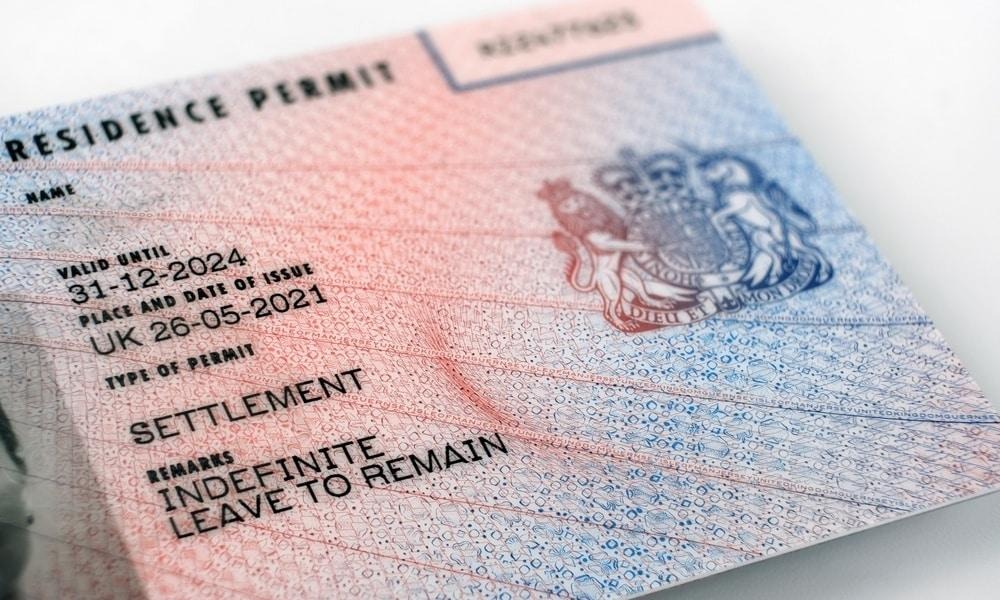
For years, the Biometric Residence Permit (BRP) was one of the most important documents for people living, working, or studying in the United Kingdom. However, the UK immigration system has now moved away from physical BRP cards and towards digital immigration records known as eVisas. All BRPs have now expired, although the immigration permission they represented may still remain valid. For former BRP holders, understanding this distinction and knowing how to access their digital status is essential.
1. Understanding Your BRP and Your UK Immigration Status
A BRP was a physical card used to show a person’s immigration status and certain rights in the UK. People granted permission to live or work in the country on or before 31 October 2024 may have been issued one.


The important point today is that an expired BRP does not necessarily mean that your permission to remain in the UK has expired. BRPs have been replaced by eVisas, which provide a digital record of your identity, immigration status, and the conditions attached to it. You should therefore check your actual immigration permission through your UKVI account rather than relying on the expiry date printed on an old card.
2. BRPs and the UK’s Move to the eVisa System
The UK’s eVisa system replaces physical immigration documents with an online record. An eVisa can show your type of immigration permission and whether you are allowed to work, study, rent property, or access other rights associated with your status.
Former BRP holders who still have permission to remain in the UK should make sure they have a UKVI account and can access their eVisa. The transition can understandably cause confusion, particularly for people accustomed to carrying a physical document. Immigration and residency resources from organisations such as Savory&Partners may provide additional context, but holders should always check current UK government guidance when making decisions about their immigration status.
3. How to Access and Check Your UKVI Account
A UKVI account is the gateway to your eVisa. Some people will already have an account because they created one during a previous visa application, used the UK Immigration: ID Check app, or previously linked their BRP to an eVisa.
If you do not have an account, you can create one using the information requested by UKVI. In some circumstances, an expired BRP can still be used to help create or access a UKVI account. Once you are signed in, check that your name, immigration status, date of birth, passport details, and other information are correct. Errors should be reported to UKVI.
4. Using Your Immigration Status for Work and Renting
One of the biggest practical changes is how you prove your rights to other people. Instead of simply showing a BRP, many eVisa holders can generate a share code online.
An employer can use a right-to-work share code to confirm whether you are permitted to work and whether there are restrictions on the type or duration of employment.
For renting, non-British and non-Irish citizens may also use a share code to prove their right to rent in England. Right-to-rent checks do not apply in the same way in Scotland, Wales, or Northern Ireland.
5. What BRP Holders Should Know Before Travelling Abroad
Travel is an area where former BRP holders need to be particularly careful. BRPs can no longer be relied upon as travel documents for returning to the UK. Instead, travellers using an eVisa should make sure their current passport or travel document is correctly added to their UKVI account.
Before travelling, check that the details on your eVisa match your passport and the information you give to your airline or other carrier. Incorrect or outdated details could lead to delays or difficulties when boarding or at the border. UKVI also allows eligible travellers to obtain a travel share code, which may be requested as additional evidence of immigration status.
6. What to Do If Your BRP Is Lost, Stolen, Damaged, or Expired
Since all BRPs have expired, you generally use your eVisa to demonstrate your immigration status rather than replacing an expired card.
However, if an expired BRP is lost or stolen, UK government guidance says it should still be reported. Once a BRP has been reported lost or stolen, it cannot be used again even if you later find it. If there is a problem with an expired card, the focus should be on ensuring you can access your eVisa and that the digital information is accurate.
7. Common BRP and eVisa Mistakes to Avoid
A common mistake is assuming that the date printed on an old BRP determines the end of your immigration permission. Another is creating a second UKVI account when you already have one. Travellers may also forget to link a new passport to their account after renewing it.
It is equally important not to leave checking your eVisa until the day you need to travel, start a job, or rent a property. Sign in periodically, keep your contact and passport details up to date, and report any incorrect information as soon as possible. The move from BRPs to eVisas changes how immigration status is proved, but staying informed and keeping your UKVI account accurate can make the digital system much easier to manage.