



















































New digital tools emerge all the time: Budget apps, payment services, investment dashboards, browser extensions, subscription sites, entertainment sites, and more. There are lots of useful ones available, but each account or payment method involves a slight financial risk. The aim is not to ban digital devices completely. The point is to thoroughly test them, safeguard your primary accounts, and maintain control of expenditures.
Start With Basic Verification
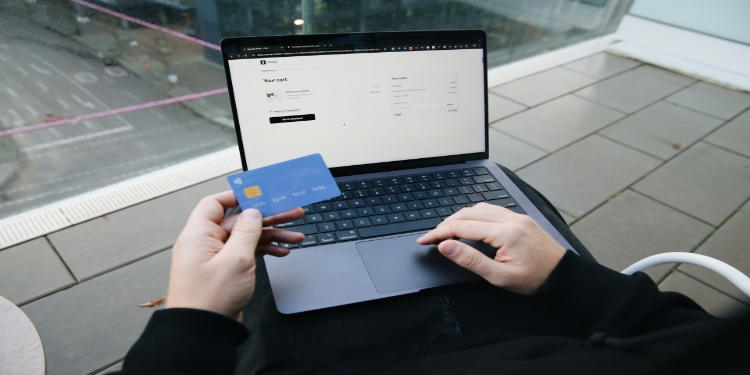
If you plan to input your card information or link a bank account, verify that the service is authentic, honest, and suitable. The Federal Trade Commission recommends that online shoppers look at seller information, the refund policies provided, and consider using safer ways to pay, if available, such as a credit card, since if there is a problem, the dispute process will be more protected.


A simple pre-use checklist should include:
- checking the official website or app store page;
- reading recent user reviews;
- reviewing refund and cancellation rules;
- checking company contact details;
- avoiding services that demand payment by gift card, wire transfer, payment app, or cryptocurrency only;
- confirming that the site uses a secure payment page.
This habit is particularly crucial when using a platform that you’re not familiar with. Just because a design is polished doesn’t mean it is trustworthy.
Separate Testing Money From Essential Money
The best way to experience a different tool without risking your finances is to restrict it from your financial resources. Avoid linking your primary bank account unless there is a clear need for the service and you are aware of the purpose for the link. Use a credit card, prepaid card, virtual card or an account with a low balance, if available.
Whether you’re trying a budgeting app or a subscription service, a trading dashboard or irish online casino, all the same principle applies: exploration cash must not go into rent, savings, bills, or emergency savings.
This helps to reduce the impact of errors. This prevents unexpected subscription changes or substandard services from causing serious financial damage.
Protect Accounts With Strong Authentication
The use of a password is not sufficient. CISA suggests the use of strong and unique passwords, password management, software updates, and multifactor authentication for accounts that provide it. When a password is stolen, multifactor authentication provides an additional layer of security to make it more difficult to steal the account.
Good account habits include:
- using a unique password for every financial tool;
- storing passwords in a trusted password manager;
- turning on multifactor authentication;
- avoiding public Wi-Fi for payments;
- keeping devices and apps updated;
- removing old apps you no longer use.
These steps reduce the chance that one compromised account will expose the rest of your digital life.
Watch Permissions and Data Access
Some tools ask for more access than they need. A budgeting app may need transaction access, but a simple calculator should not need contacts, location, or photo storage. Apple’s App Store privacy labels are designed to show how apps handle user data, while Google Play Protect checks apps before download and may reset permissions for rarely used apps.
Before installing an app, ask: does this permission match the service? If the answer is no, choose another tool.
Monitor Transactions Early
Financial safety does not end after sign-up. Check your account during the first few days and after the first billing cycle. The FDIC recommends transaction alerts from banks, credit cards, and mobile app providers as a useful security habit.
In the United States, Regulation E also sets rules for unauthorized electronic fund transfers, including time-sensitive reporting requirements, so quick action matters when something looks wrong.
Conclusion
Trying new digital tools can be safe when curiosity is matched with control. Verify the service, use safer payment methods, separate testing money from essential funds, enable multifactor authentication, review permissions, and monitor transactions. Digital convenience is valuable, but financial safety should always come first.

David Prior
David Prior is the editor of Today News, responsible for the overall editorial strategy. He is an NCTJ-qualified journalist with over 20 years’ experience, and is also editor of the award-winning hyperlocal news title Altrincham Today. His LinkedIn profile is here.