


















































Choosing new windows is a significant investment, so it’s worth taking the time to compare your options before making a decision. Casement windows are one of the most popular window styles in the UK, valued for their excellent energy efficiency, secure design and versatility. Whether you’re renovating a period property or updating a modern home, selecting the right timber casement windows will improve both comfort and kerb appeal for years to come.
Consider Your Property’s Style


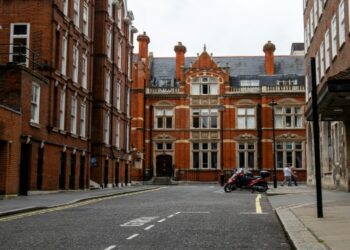
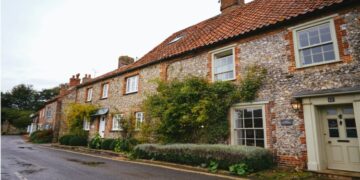
Before choosing new windows, consider the style and character of your property. Traditional cottages, Victorian terraces and country houses often suit wooden casement windows with classic detailing, while contemporary properties may benefit from simpler designs with larger glazed areas.
If your home is located in a conservation area, you may need windows that closely match the property’s original appearance. Bespoke timber windows are often an excellent solution because they combine authentic styling with modern performance. It’s also worth checking whether planning requirements apply before replacing your existing windows.
Choose High-Quality Timber
Not all timber windows are manufactured to the same standard. Look for engineered timber, which offers greater stability than solid wood and is less likely to warp or twist over time.
Responsibly sourced timber is also a sustainable choice, offering excellent natural insulation while reducing environmental impact. Combined with durable paint finishes, modern timber windows require far less maintenance than many homeowners expect.
Think About Energy Efficiency
Energy performance should be one of your top priorities. Modern casement windows create a tight seal when closed, helping to minimise draughts and reduce heat loss. This makes them one of the most energy-efficient window styles available for UK homes.
When comparing products, look beyond appearance and ask about:
- Double or triple glazing
- Low-emissivity (Low-E) glass
- Weather seals
- Window energy ratings
These features can make a noticeable difference to comfort throughout the year and may help reduce heating costs.
Consider Ventilation and Everyday Use
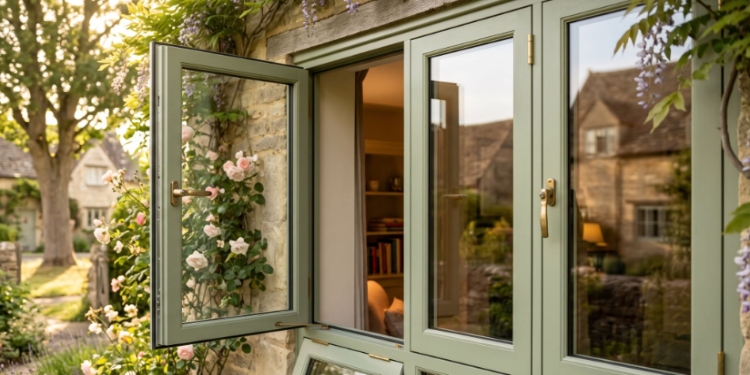
One reason casement windows remain so popular is their practicality. Hinged at the side, they open fully to maximise airflow and allow plenty of natural light into the room.
Think about how each room is used before deciding on the window configuration. For example, side-hung casement windows are ideal for living rooms and bedrooms, while top-hung designs can provide ventilation during light rain, making them particularly suitable for bathrooms and kitchens.
Don’t Overlook Security
Windows play an important role in home security. Quality timber casement windows are fitted with modern multi-point locking systems, robust hinges and high-performance glazing that help protect your property.
When discussing options with your supplier, ask about the security features included as standard. A well-designed window should provide peace of mind without compromising on appearance.
Choose a Trusted Manufacturer
The quality of installation is just as important as the quality of the window itself. Even the best windows will not perform as intended if they are poorly fitted.
Choose a manufacturer with experience producing bespoke timber windows for homes. Reading customer reviews, viewing previous projects and requesting detailed product specifications can help you make a confident decision.
Invest in Long-Term Value
Although timber casement windows may require a higher initial investment than some alternatives, they offer excellent long-term value. High-quality materials, outstanding insulation, timeless appearance and impressive durability make them a worthwhile addition to almost any property.
By choosing windows that complement your home’s style while meeting modern standards for energy efficiency and security, you’ll enjoy a more comfortable living environment and potentially increase your property’s value for years to come.

David Prior
David Prior is the editor of Today News, responsible for the overall editorial strategy. He is an NCTJ-qualified journalist with over 20 years’ experience, and is also editor of the award-winning hyperlocal news title Altrincham Today. His LinkedIn profile is here.