




















































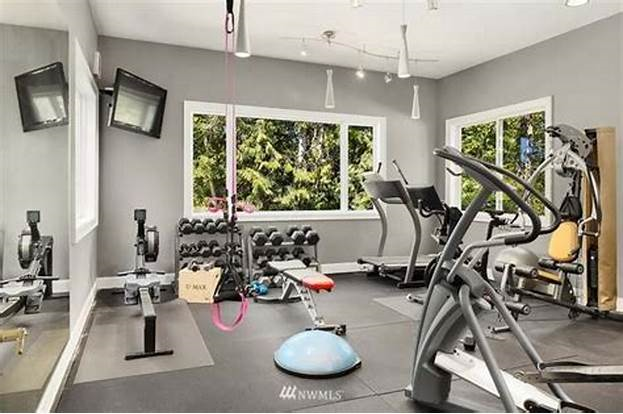
Across Europe, home fitness has evolved from a temporary stopgap into a permanent habit. What started as a response to limited access to gyms has gradually changed the way people incorporate exercise into their everyday lives. At the same time, artificial intelligence (AI) has developed from a mere background function in fitness apps to an active design element that significantly influences how training sessions are designed and delivered – especially in conjunction with modern home fitness equipment.
AI no longer just makes training more convenient; it is now starting to influence how people understand and organize their fitness routines. For the everyday user, this shift is less about state-of-the-art, cutting-edge technology and more about practical changes to how training fits into their daily routine.


From tracking to individual instructions
Early fitness technologies focused primarily on pure tracking – recording steps, calories burned or heart rate during exercise. As useful as these metrics were, they required the user to interpret the collected data themselves.
AI-supported systems today go beyond passive tracking and instead offer more interactive, individual training guidance. By analyzing patterns – such as past training performance, training continuity or recovery trends – these systems can suggest adjustments to training intensity or structure.
This shift reflects a broader trend toward more personalized fitness experiences. Instead of following generic training plans, users are increasingly provided with routines that dynamically adapt over time. For many people – especially those without access to a personal trainer – this can make access to structured training much easier.
Smart devices for small spaces
Lack of space is a common limiting factor in many European households, especially in urban areas. As a result, there has been increased interest in compact, multifunctional fitness equipment that allows for a variety of different exercises in a small footprint.
AI also plays an important role here. Some modern home fitness systems link software and hardware together to create connected workout environments. Features such as automatic resistance adjustment or guided training programs aim to simplify the user experience while ensuring a high level of flexibility.
In this context, certain brands – including Speediance – have started combining AI-powered training features with all-in-one strength training equipment designed specifically for use at home.
Real-time feedback for safer workouts
One of the most practical applications of AI in home fitness is real-time feedback. Using sensors or motion tracking, some systems can assess performance and offer immediate suggestions—such as adjustments to posture or range of motion.
For everyday users, this can help avoid common workout errors, especially when exercising alone. Enhanced feedback can also contribute to more efficient sessions by helping users focus on technique rather than just the number of repetitions.
However, it is important to keep expectations realistic. AI-powered feedback systems are no substitute for professional coaching—particularly regarding complex movements or specialized training goals. While they can provide helpful general guidance, their accuracy and utility may vary depending on the context.
A shift toward data-driven fitness
Another notable change is the growing focus on long-term data. Instead of concentrating solely on individual workouts, AI systems can track trends over extended periods—including workout consistency, progress, and recovery patterns.
This broader perspective aligns with a gradual shift away from short-term fitness goals and toward more sustainable approaches to personal health. In many parts of Europe—where awareness of an aging population and preventive healthcare is rising—this type of data-driven training can help establish more balanced workout routines.
At the same time, users are becoming increasingly aware of how their data is collected and used. Transparency and data privacy remain key factors—especially in regions with high expectations regarding the protection of personal data.
Understanding the limits of AI
Despite its potential, the use of AI in fitness has clear limitations. It cannot replace the human aspects of training—such as motivation, personal accountability, or nuanced, individualized guidance. For some users, these very elements remain indispensable for staying committed in the long run.
There are also technical limitations: AI systems rely on available data and predefined models. This means they cannot always adequately account for individual circumstances—such as injuries, pre-existing conditions, or personal preferences.
For these reasons, AI should be viewed as a supportive tool rather than an all-encompassing solution. Combining technology with one’s own judgment—and professional advice when needed—remains the most practical approach.
What this means for the everyday user
For most people, the rise of AI in home fitness is less about using new technology for its own sake and more about making their workout routine more convenient and structured. AI-powered systems can help lower barriers to entry, making it easier to start and maintain a fitness routine—even without extensive prior knowledge.
They can also help users make more efficient use of their often limited time by suggesting more targeted workouts. However, as with any tool, actual success depends largely on how it is used. Paying attention to one’s physical condition and maintaining realistic expectations remain the decisive factors for long-term progress.
Conclusion
AI is gradually transforming home fitness by making workouts more adaptable, data-driven, and accessible. While the technology continues to evolve, its role is likely to remain supportive rather than central. When it comes to daily training, the truly significant change lies not so much in the mere presence of AI itself, but rather in how it helps individuals develop consistent fitness habits that integrate well into their everyday lives. In this sense, the future of home fitness may be smarter—yet at its core, it remains human-centric.