





















































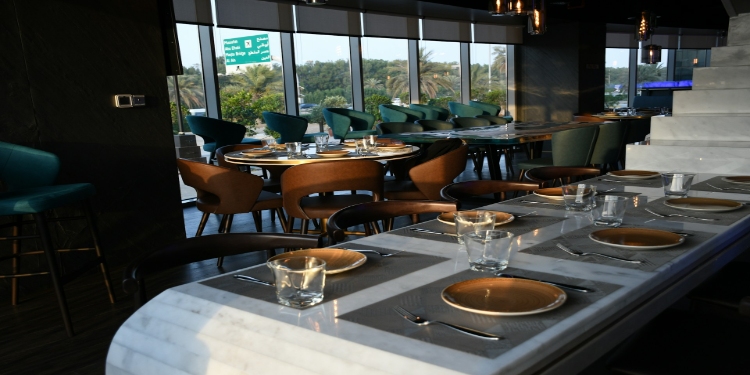
A guest may remember the suite, but loyalty is often created elsewhere: an airport transfer arriving on time, a dietary request handled discreetly, or a concierge who understands when privacy matters more than conversation. Luxury hospitality is built through small decisions that feel effortless only because the operation behind them is disciplined.
Finding the Right Route into the Industry
Before choosing a degree, it helps to identify which side of hospitality feels most compelling. Someone drawn to hotel operations will need a different curriculum from a future events director, revenue strategist, or food and beverage manager.


Applicants can use the master in hospitality management search to compare postgraduate programmes by destination, format, tuition, duration, and degree type. Looking beyond the title is essential because one course may centre on luxury brand strategy, while another gives more attention to tourism, finance, real estate, events, or restaurant operations.
Luxury Is Designed Before Check-In
High-end service begins long before the guest reaches reception. Teams prepare profiles, coordinate transport, review room preferences, brief restaurant staff, and decide which information should move between departments.
This is service design in practice. Each contact point must feel connected, from reservation emails to housekeeping and departure, yet personalisation must never become intrusive. Managers also need cultural awareness because expectations around formality, food, tipping, conversation, and personal space differ widely.
The Business Behind a Seamless Stay
Luxury hotels need managers who can connect creative ideas with commercial reality. A tasting menu, private event, or wellness concept still requires staffing plans, supplier control, pricing, demand forecasts, and a clear understanding of the brand.
A hospitality master’s may involve work such as:
- Building a revenue plan around seasonality, room demand, and customer segments.
- Designing a guest journey across reservations, arrival, dining, and departure.
- Testing how brand standards should adapt across different countries.
- Planning food and beverage concepts with cost and positioning in mind.
- Producing event proposals that coordinate sales, security, operations, and guest flow.
- Analysing service failures and creating practical staff-training responses.
These tasks show why luxury management is not simply a matter of taste. It requires judgement across departments, especially when a request could affect service speed, operating costs, or another guest’s privacy.
Consistency Matters More Than Decoration
A beautiful property can make a strong first impression, but consistency determines whether the experience holds together. The same level of care must survive a busy breakfast, a late arrival, a sold-out weekend, and a last-minute event change.
International guidance also treats hotel quality as an operational system. ISO 22483 sets out hotel service requirements covering staff, service, events, safety, cleanliness, supply management, and guest satisfaction. Its scope explains why training and coordination matter as much as interiors.
When Internships Become the Real Classroom
International internships allow students to see how standards work under pressure. A placement in rooms division, revenue, banqueting, guest relations, or food and beverage exposes the handovers and compromises that classroom cases cannot fully reproduce.
The most useful placements provide responsibility rather than observation alone. Joining an operations meeting, reviewing a forecast, or helping prepare an event briefing shows how luxury brands maintain a recognisable identity while adapting to local guests and business conditions.
Precision Becomes a Career Skill
Luxury hospitality suits people who enjoy detail, fast decisions, and human interaction, but also want to understand the business behind the experience. A master’s degree can develop working knowledge of service design, finance, operations, brand control, and international management.
The goal is not merely to prepare for a hotel position. It is to learn how complex operations can produce service that feels natural, consistent, and genuinely personal.
That combination can open routes into luxury hotels, resorts, private clubs, restaurant groups, events, and hospitality consulting. Employers increasingly expect graduates to combine customer service with workplace etiquette, language ability, and digital readiness, priorities also reflected in recent hospitality skills research supported by the International Labour Organization. Graduates who understand both guest expectations and operational pressures are better prepared to grow into supervisory and management roles across international hospitality businesses.

David Prior
David Prior is the editor of Today News, responsible for the overall editorial strategy. He is an NCTJ-qualified journalist with over 20 years’ experience, and is also editor of the award-winning hyperlocal news title Altrincham Today. His LinkedIn profile is here.