



















































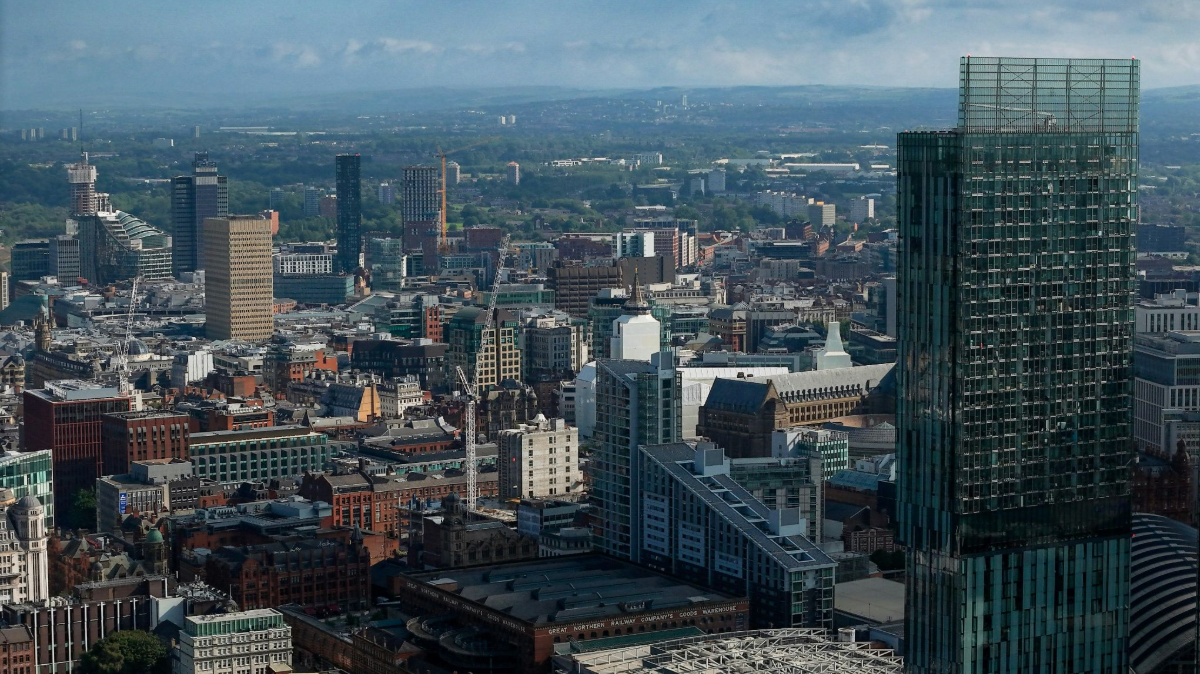
If you’ve taken a stroll through Manchester city centre recently, you’ll have noticed that the skyline looks remarkably different than it did even five years ago. The persistent hum of construction and the glass towers stretching toward the clouds aren’t just for show; they’re the physical manifestation of a massive shift in how the UK handles its business and leisure. We’ve moved well beyond the old “Boardwalk” era of physical entertainment and traditional commerce, stepping firmly into a world where business parks and digital platforms dictate the pace of our daily lives.
It’s an interesting time to be looking at the UK’s economic geography. For decades, the narrative was almost exclusively focused on London, but the “Northern Powerhouse” isn’t just a political buzzword anymore. It’s a reality being built in brick, mortar, and fibre-optic cable.


Manchester: The North’s Digital Engine Room
The growth of Manchester as a regional tech powerhouse has been one of the most significant contributors to the UK’s GDP over the last few years. By early 2026, the city’s economy has been projected to grow at a rate that frequently outpaces the national average, largely driven by a thriving ecosystem of green tech, life sciences, and digital innovation. When we talk about “regional business hubs,” Manchester is the gold standard.
I find that the real magic happens in places like MediaCityUK and the various innovation districts popping up around the universities. These aren’t just offices; they’re clusters where collaboration happens naturally. The Gross Value Added (GVA) from the North West’s tech sector now exceeds billions of pounds annually, proving that you don’t need a London postcode to build a global business. This decentralisation is healthy for the country; it spreads wealth and creates a more resilient national economy. Have you noticed how many startups are now choosing the North as their first home rather than a secondary satellite office? It’s a trend that’s only gathering speed.
The Ripple Effect: Sports Tourism and Altrincham’s Rise
While the tech giants occupy the city centre, the surrounding areas are reaping the rewards through a different channel: sports and leisure. Take Altrincham, for example. Historically a market town, it has transformed into a case study for how regional sports tourism can drive serious infrastructure and property development.
The investment in local sporting facilities, such as the refurbished Altrincham Leisure Centre (now rebranded as ‘Move Altrincham’) and the continued success of Altrincham FC, has created a halo effect. It’s not just about the game on a Saturday afternoon; it’s about the footfall it brings to the Stamford Quarter and the demand it creates for high-quality residential property.
Developers are increasingly looking at these “sporting towns” because they offer a lifestyle that digital workers crave. If you can work from a sleek business park in the morning and be at a professional ice hockey match or a football stadium by the evening, the appeal is obvious. We’re seeing a symbiotic relationship where successful local clubs drive footfall, which in turn justifies new transport links and housing projects, further boosting the local GVA.
From the High Street to the Handheld
While the physical landscape is changing, our personal habits have undergone an even more radical transformation. Many of us have experienced that shift where the traditional high-street bookie or the local arcade has lost its lustre compared to the convenience of our smartphones. We’ve moved from “high-street leisure” to “high-engagement digital entertainment.”
This isn’t to say the high street is dead, but its role has changed. It’s now more about “experience” and “socialising” rather than just a place to perform a transaction. The heavy lifting of entertainment is now done via digital platforms that offer a level of engagement a physical shop simply can’t match. Consumers now expect their leisure time to be fluid. They want to be able to check scores, engage with their favourite brands, and perhaps place a wager while sitting in a coffee shop in Altrincham or commuting on the Metrolink.
The Evolution of Iconic British Brands
This digital shift has forced some of our most beloved brands to get creative. It’s been fascinating to watch how iconic British intellectual properties, which many of us grew up with in board game form, are being used to anchor new digital experiences. People trust names they know; there’s a sense of nostalgia and reliability that comes with a brand that has been in your cupboard for thirty years.
A perfect example of this is how legacy names are diversifying to capture a digital-first audience. We’ve seen this with the way Monopoly Casino has integrated sports betting into its ecosystem. By taking a theme that everyone recognises—the classic boardwalk and properties—and applying it to a modern, gamified digital leisure platform, they’ve managed to bridge the gap between traditional entertainment and the new digital frontier.
This trend of “Themed Digital Platforms” is a clever bit of business. It’s not just about providing a service; it’s about creating an environment that feels familiar yet offers all the high-tech features of a modern sports betting site. It reflects a broader trend in the UK market where leisure is becoming increasingly “gamified.” We don’t just want to watch or play; we want to be part of a structured, engaging world.
***
Please gamble responsibly. For more information and support, visit BeGambleAware.org. 18+ only.
***
Future Developments: Tech and Corporate Integration
Looking toward the back end of the 2020s, the synergy between regional corporate development and the digital gaming sector is only going to tighten. We’re seeing more business parks being designed specifically with tech and sports technology in mind. These aren’t just places with desks; they’re hubs with 5G connectivity, data centres, and spaces for “sports-tech” startups to test new wearable devices or fan-engagement apps.
The growth we’re seeing in Manchester and Trafford is a blueprint for the rest of the UK. When you combine strong regional identity with a forward-thinking digital strategy, the economic benefits are clear. We’re moving into an era where the lines between our work lives (in those glass-fronted business parks) and our leisure lives (on high-engagement digital platforms) are becoming increasingly blurred.
I suspect that in a few years, we won’t even talk about “digital transformation” as a separate thing. It will just be how the UK operates. The transition from the physical boardwalk to the digital business park is almost complete, and the result is a more dynamic, decentralised, and tech-savvy economy that’s finally looking beyond the M25 for its future.
The transformation of the sports and leisure sector is a testament to British adaptability. Whether it’s Altrincham reinventing its town centre around leisure or a legacy board game brand becoming a leader in digital sports betting, the ability to evolve while keeping a foot in our cultural history is what makes the UK market so unique. It’s an exciting time to be watching it all unfold, preferably with a good view of those Manchester cranes in the distance.