


































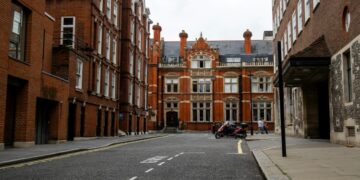


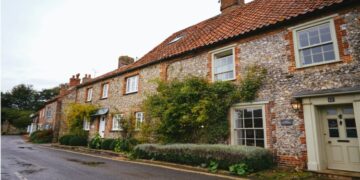














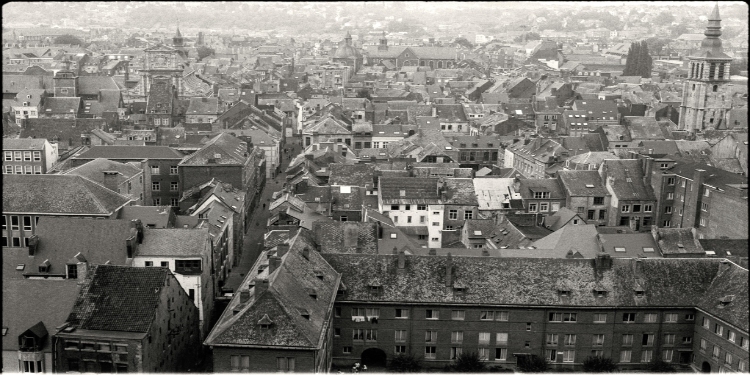
We’ve all seen those black-and-white photos of old streets, quiet plazas, or local landmarks—tiny windows into the places we call home. They don’t just stir up nostalgia; they feel like hard evidence of how things once were.
But here’s the tricky part. The moment a photograph gets a label—a date, a street name, a claimed event—it tends to become “the truth” in people’s minds, even if something about it is off. Mistakes in captions or swapped locations often go unnoticed, quietly shaping the stories we tell about our towns.


This story looks at how our trust in old photos can sometimes outlast the facts behind them, and why it matters for how we remember the past.
Mislabelled images still shape what people choose to believe
Even after a photo’s label is questioned, the first impression it makes can be hard to shake. People often encounter these historic images online or in archives and quickly accept them as fact, letting the caption guide what they believe about a place or a moment in time.
It’s common to see visitors compare different sources, sometimes searching for context or a second opinion. Some might look for an instacams alternative on luckycrush.com to see if another version of the photo or story exists. But even when people try to check, it’s not always easy to spot what’s real and what’s been mislabelled.
The trust we place in photographs means these images can slip into family stories and local folklore, persisting even after corrections are made. Over time, a mislabelled photo can become a touchstone—passed around at reunions, referenced in local museums, or shared on social media as proof of “what things were like.”
Once these images are woven into community memory, they often resist correction for years, sometimes generations. The persistence of these visual fragments shows just how powerful a single mislabelled image can be, quietly shaping how people remember and talk about their past.
Assumptions stand in for evidence—and guide restorations, debates, and memories
It’s easy to see how a familiar-looking street or landmark in an old photograph can nudge people toward quick conclusions. The mind fills in gaps, connecting what’s in the frame to local legends or half-remembered stories from family elders.
Most of the time, no one bothers to check where the photo originally came from or who wrote the label. If a building style or a vintage car looks right, that’s enough for the image to be accepted as “evidence.” These assumptions can have a ripple effect across a whole community.
Sometimes, a single photograph is all it takes to settle debates about when a certain building was constructed or what a neighborhood looked like decades ago. People might point to a photo to prove an old house stood on a particular corner, or to back up a story about how a street got its name. Even local festivals and reenactments are shaped by stories built on these images, with little thought for whether the photos have been properly vetted.
- Historic photos are used to back up claims about old buildings’ origins.
- Local disputes over street names or major changes sometimes rest upon photographic ‘proof’ that’s never questioned.
- Town festivals and reenactments occasionally retell stories inspired by mislabelled images, cementing myths in collective memory.
Over time, these unchecked assumptions can become the foundation for restoration projects or even community milestones. It’s a reminder that what we believe about the past often starts with what we’re shown—and how eager we are to trust it, even when the details might not add up.
New verification methods are changing the picture
That trust in old photos is starting to shift as technology gets involved. Now, instead of just accepting a picture and its label, historians are running images through AI and deep learning tools that look for clues most of us would miss—things like tiny changes in shadows, the shape of a roofline, or the layout of streets in the background.
These techniques have already made a big difference. For instance, researchers recently used archival aerial photographs and advanced analysis to track environmental changes study in Namibia over decades, revealing patterns that would’ve been hard to spot by eye alone. They found that the average size of waterholes and big trees grew, while homesteads shrank, all from carefully checking old images and comparing them over time.
For local history, that means we’re not just relying on faded captions or someone’s best guess anymore. Digital review interrupts old assumptions by stacking up new evidence—sometimes showing that a photo’s story isn’t what everyone thought. Books, websites, and museum displays are being re-examined, with errors traced and corrected where possible. It’s a quieter kind of detective work, but it matters.
Some projects built on these methods, like large curated image datasets, have already forced communities to rethink accepted narratives. When a commonly shared photo is debunked or its context is clarified, it can rewrite decades of local lore. This doesn’t just change history textbooks—it can change how people see their town and themselves.
Of course, this promise comes with a twist. As we get better at spotting mistakes, some beloved but mislabelled images might lose their old stories. Still, the goal isn’t to dismiss the past but to make sure it stands on firmer ground—one photo, and one careful correction, at a time.
What counts as history: when visual truth and local story clash
Yet even with each careful correction, the stories attached to old town photos don’t simply fade away. People often hold tight to the memories and meaning that grew up around a familiar image, especially when it’s become part of how a community understands itself.
For many, it’s not just about what’s “true” on paper, but about the pride or nostalgia an image stirs. Maybe it’s a festival reenacting a scene first seen in a faded photograph, or a family passing down the tale of a landmark that may never have stood where the photo claims. These emotional ties can be powerful, sometimes outlasting new evidence that points in another direction.
When researchers introduce corrections, as with projects like the OldVisOnline dataset, the response can be surprisingly intense. Some residents or local historians might resist, feeling as if their personal or collective story is under threat. Others see it as a chance to learn, update, or even debate what really happened—and why it matters.
It’s a real challenge. Fixing a mislabelled photo might seem straightforward, but it often prompts questions that run much deeper. Which matters more: the facts that come from new research, or the stories that have shaped a town’s sense of itself for decades?
For historians, striking the right balance means listening as much as correcting. The job isn’t just about setting the record straight; it’s about honoring how history lives in people’s memories, even when those memories don’t quite match the evidence.
Looking forward: adjusting our trust in the past
Even as we learn to question the stories behind old photographs, their hold on our imaginations remains strong.
The spread of digital verification tools and new research methods doesn’t lessen the value of these images—it just reminds us that the past is a moving target, open to updates as knowledge grows.
Recognizing a mislabelled photo isn’t about erasing cherished memories or calling family albums into doubt. It’s about adding new layers of understanding, the way recent projects have enriched what we know by double-checking the details.
Perhaps the best way forward is to look at every old photo with a mix of wonder and gentle skepticism, letting both facts and feelings shape our sense of history.

David Prior
David Prior is the editor of Today News, responsible for the overall editorial strategy. He is an NCTJ-qualified journalist with over 20 years’ experience, and is also editor of the award-winning hyperlocal news title Altrincham Today. His LinkedIn profile is here.