



















































Understanding the Core of Saber Technology
The evolution of lightsaber replicas has transformed from simple plastic toys into sophisticated pieces of engineering that blend artistry with high tech electronics. For enthusiasts and collectors, the primary decision often comes down to the internal illumination system. At its heart, the debate centers on how light is delivered from the hilt to the tip of the blade. This choice dictates not only the visual fidelity of the weapon but also its weight, balance, and functionality during dueling or display.
When you embark on the journey of Mastering the Force: A Comparison of Neopixel and RGB Lightsaber Technology, you are essentially choosing between two different philosophies of light. One focuses on simplicity and ruggedness, while the other prioritizes cinematic realism and complex visual sequences. Understanding these nuances is essential for anyone looking to invest in a high quality saber that meets their specific needs.


Companies like Next Level UK have seen firsthand how these technologies serve different segments of the community. Whether you are a competitive duelist or a dedicated cosplayer, the technology inside your hilt determines how you interact with the hobby. By breaking down the technical specifications of both systems, we can better appreciate the craftsmanship that goes into modern saber smithing.
The Mechanics of RGB Baselit Systems
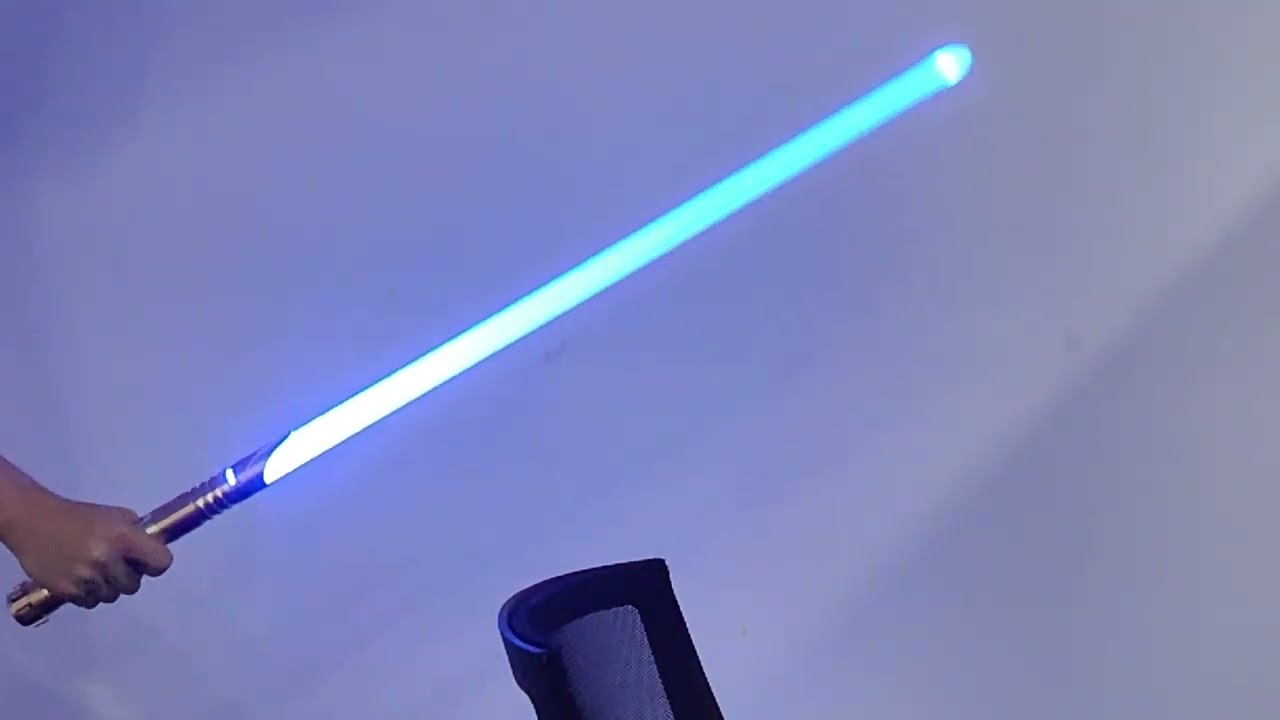
RGB technology, often referred to as baselit, operates on a relatively straightforward principle. All the electronics, including the high power Light Emitting Diodes, are housed within the hilt of the saber. These LEDs are typically focused through a specialized lens that projects a concentrated beam of light upward into a hollow polycarbonate tube.
The interior of an RGB blade is lined with a reflective film or a diffusion material that catches the light and spreads it across the length of the blade. This setup is very similar to a high powered flashlight with a long, translucent attachment. Because the light source is located at the base, there is often a slight taper in brightness toward the tip, though modern diffusion techniques have significantly minimized this effect.
One of the greatest advantages of the RGB system is its versatility in color. Most modern baselit sabers allow the user to cycle through thousands of color combinations using a single hilt. Since the LEDs are stationary within the metal handle, they are protected from the physical shock of heavy clashing, making this the preferred choice for those who engage in high intensity combat or historical European martial arts style dueling.
Exploring the Brilliance of Neopixel Technology
Neopixel technology represents a significant leap forward in lightsaber realism. Unlike the baselit system, a Neopixel saber utilizes a dense strip of individually addressable LEDs that run the entire length of the blade. This means the light is generated from within the blade itself rather than being projected from the hilt.
Each tiny LED on the strip can be controlled independently by the soundboard located in the hilt. This allows for unparalleled brightness and uniformity. There is no dimming at the tip, and the colors are noticeably more vibrant and saturated than those produced by a baselit system. When you hold a Neopixel saber, the glow is often bright enough to be seen clearly even in well lit rooms or under midday sun.
For those seeking the ultimate aesthetic experience, Next Level UK offers a range of these advanced systems that cater to the most discerning collectors. The internal LED strips are wrapped in multiple layers of diffusion foam and specialized tubing to ensure that the individual points of light are not visible, creating a solid, glowing beam that looks identical to the special effects seen on the silver screen.
Visual Effects and Blade Animations
The true magic of Neopixel technology lies in its ability to perform complex animations. Because the soundboard can talk to every individual LED, it can simulate the iconic scrolling ignition and retraction effect. When you activate the saber, the light appears to extend from the hilt upward, and when you turn it off, it retreats back into the handle.
Baselit sabers are limited in this regard. When an RGB saber is turned on, the entire blade illuminates instantly because the light source is at the base. While some advanced boards can simulate a flicker, they cannot replicate the physical movement of the light. Neopixel blades can also display localized effects, such as a localized flash on clash where only the point of impact glows white, or a dragging effect where the tip of the blade glows orange to simulate cutting through a floor.
Other advanced animations include stable, unstable, and pulsed blade profiles. An unstable blade can look like a flickering flame or a jagged bolt of lightning, with colors shifting and dancing along the length of the polycarbonate tube. These features make Neopixel the gold standard for film production and high end photography.
Combat Performance and Durability Standards
While Neopixel wins on visuals, RGB systems often take the lead when it comes to raw durability. Because the Neopixel blade contains hundreds of small electronic components and delicate solder joints, it is inherently more fragile. A very hard strike can potentially break a connection in the LED strip, leading to dark spots or complete blade failure.
RGB blades are essentially empty plastic tubes. They are lightweight and can be replaced cheaply if they become scratched or dented. This makes them ideal for full contact sparring where participants are not holding back. Many competitive saber leagues mandate the use of baselit technology to ensure the safety of the equipment and the participants.
However, it is important to note that heavy duty Neopixel blades do exist. These use thicker walled polycarbonate and reinforced LED strips. While they can handle moderate to heavy swinging, they are still generally not recommended for the kind of extreme impact that a baselit blade can endure. If your primary goal is to hit things, the RGB system is your most reliable companion.
Power Management and Battery Requirements
The power consumption differences between these two technologies are substantial. A baselit RGB setup usually features a single LED module, which is relatively efficient. A standard lithium ion battery can often power an RGB saber for several hours of continuous use. This makes them great for long conventions or events where charging opportunities are limited.
In contrast, a Neopixel blade might contain over 250 individual LEDs. Driving that many lights requires a significant amount of current. As a result, Neopixel sabers drain batteries much faster, often providing only forty five minutes to an hour of peak brightness. To combat this, high end saber smiths like those at Next Level UK utilize high discharge batteries specifically designed to handle the massive power draw of these systems.
Users of Neopixel technology should always carry a spare battery or have a portable charger handy. The heat management is also a factor, as the LED strips inside the blade can become warm during extended use. The sophisticated electronics in the hilt are designed to monitor these levels, but it remains a consideration for the power user.
Sound Quality and Motion Detection Accuracy
Modern lightsabers are not just about light; they are about the auditory experience. Both RGB and Neopixel systems typically use advanced soundboards like the Proffie, CFX, or Xenopixel. However, the way these boards are configured often differs based on the intended use of the saber.
Neopixel sabers are almost always paired with top tier soundboards that feature Smoothswing technology. This uses high precision accelerometers and gyroscopes to track the movement of the hilt in real time, generating a seamless, pitch shifted hum that responds to the speed and angle of your swing. While many RGB sabers now also include Smoothswing, the integration is often more profound in Neopixel builds where the sound is perfectly synced with the blade animations.
The immersion of hearing the crackle of a localized tip drag while seeing the tip of the blade change color is what defines the high end hobby. For many, the auditory feedback is just as important as the visual glow, and the synergy between the two is where the technology truly shines.
Customization and Programming Potential
For the tech savvy enthusiast, the ability to customize the saber is a major selling point. Neopixel systems, particularly those using open source boards like Proffie, offer nearly limitless customization. Users can write their own code to create unique blade styles, light patterns, and sound fonts. You can program a saber to change colors based on the tilt of the hilt or even play music through the internal speaker.
RGB systems are usually more restricted. While many allow for color changing and sound font selection, the lack of individual LED control means you cannot change the fundamental way the light behaves. You are generally limited to the presets provided by the manufacturer.
Next Level UK provides options for both those who want a simple, out of the box experience and those who want to dive deep into the programming side of the hobby. Having a saber that can be updated with new features over time adds significant value and longevity to the investment, ensuring that your gear stays at the cutting edge of the community.
Making the Right Choice for Your Collection
Choosing between these two technologies requires an honest assessment of how you plan to use your saber. If you are a martial artist who wants to engage in full speed combat, or if you are looking for a budget friendly entry point into the world of sabers, the RGB baselit system is an excellent choice. It offers durability, long battery life, and a great range of colors without the worry of damaging expensive internal electronics.
On the other hand, if you are a collector who prizes screen accuracy, a cosplayer looking for the best possible photos, or a fan who simply wants the most immersive experience possible, Neopixel is the clear winner. The scrolling ignition, localized effects, and extreme brightness provide a level of realism that a baselit system simply cannot match.
Many enthusiasts eventually find room for both in their collection. Having a rugged RGB saber for practice and a beautiful Neopixel saber for display and light spinning offers the best of both worlds. It allows you to participate in every aspect of the hobby without compromise.
The Path to Mastery
The world of saber technology is constantly evolving. Manufacturers are finding new ways to make Neopixel blades more durable and RGB systems more feature rich. New innovations like thin neck adapters and pixel connectors are bridging the gap between aesthetics and functionality.
As you continue your journey in the community, stay informed about the latest developments in board firmware and LED efficiency. The community is full of innovators who are constantly pushing the boundaries of what these devices can do. Whether you choose the reliable glow of an RGB hilt or the cinematic brilliance of a Neopixel blade, you are part of a tradition that celebrates creativity, engineering, and the timeless appeal of the galaxy far, far away.
By understanding the technical foundations laid out in this guide, you are now equipped to make an informed decision that will serve you well in your future adventures. The right tool depends on the user, and in the hands of a master, any saber can become a work of art. Next Level UK remains dedicated to supporting this community with the highest quality hardware available, ensuring that every enthusiast can find their perfect match in the quest for the ultimate saber experience.