





















































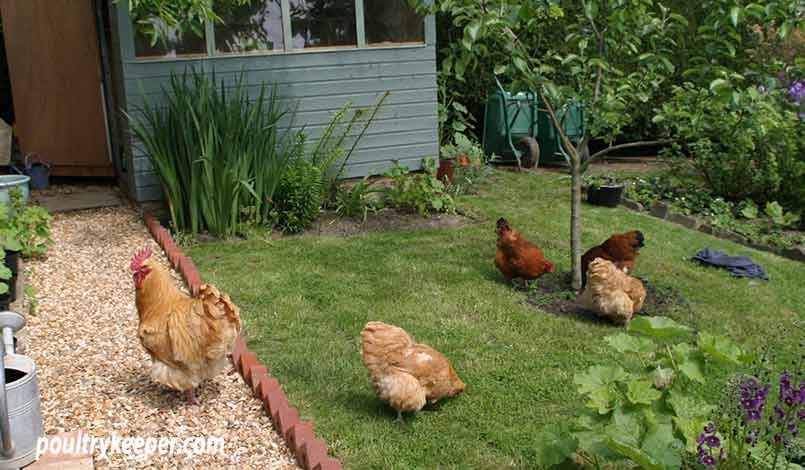
Designing a back garden that works for both your family and your flock takes a little planning, but it does not require acres of land or a complete redesign. With the right layout, materials and planting choices, you can create a space that feels attractive, organised and practical, while still meeting the needs of your hens.
Whether you are just starting out or refining an existing setup, this guide will walk you through how to design a chicken-friendly back garden that is safe, hygienic and enjoyable for everyone involved.


Start With Space And Layout
The first step is to look at your garden with fresh eyes. Where does the sun fall? Which areas stay damp? Where do children play or you entertain guests?
Chickens need:
- A secure coop
- An enclosed run or defined ranging area
- Shelter from wind and rain
- Dry ground
In most suburban UK gardens, dedicating one clear zone to chickens works best. This prevents damage to lawns and flower beds, while keeping cleaning and maintenance contained.
Position the coop on well-drained ground, ideally slightly raised. Avoid areas that become waterlogged in winter. Persistent damp not only creates mud but can affect feather condition, particularly for fluffy breeds such as Silkies.
If possible, allow room to extend the run later. Many people start small, then decide to add another hen once they realise how rewarding chicken keeping can be.
Prioritise Security From Predators
Even in urban areas, foxes are common. Designing your garden with security in mind from the outset is far easier than retrofitting defences later.
A chicken-friendly garden should include:
- Welded mesh rather than standard chicken wire
- Secure bolts and locks on coop doors
- A solid floor or buried mesh skirt around the run
- A covered top to prevent climbing or jumping access
Think about boundaries too. If your garden fence is ageing or has gaps underneath, reinforcing it is worthwhile. Good design is not only about appearance but also about peace of mind.
Balance Grass, Hard Standing And Dust Areas
Chickens love to scratch. Left unchecked, they will quickly turn pristine lawns into patchy soil.
One smart design approach is to divide the chicken area into zones:
- A grass section for foraging
- A hard-standing area such as paving slabs under feeders and drinkers
- A dry soil or sand area for dust bathing
Hard standing under high-traffic areas prevents mud build-up and makes cleaning easier. Dust bathing areas are essential, as chickens use them to keep feathers in good condition and reduce parasites naturally.
If space allows, rotating access between two small grass areas can help lawns recover.
Choose Plants Carefully
A beautiful garden and chickens are not mutually exclusive. However, planting needs to be considered carefully.
Some plants are toxic to chickens, while others will simply be scratched up and destroyed. To protect both your birds and your borders:
- Fence off delicate flower beds
- Use raised planters for vegetables
- Research plant safety before introducing new varieties
- Consider hardy shrubs around the chicken area
Chickens appreciate shade from shrubs or small trees, especially during summer. Creating natural shelter can reduce stress and help regulate temperature.
You may find that some areas become “chicken-free zones” to preserve ornamental planting. Clear boundaries help maintain order.
Make Cleaning Easy
A well-designed chicken garden is one that makes maintenance manageable.
Position the coop so you can access it easily with:
- A wheelbarrow
- Cleaning tools
- Fresh bedding
Avoid placing it at the far end of a narrow, awkward path. You will appreciate thoughtful positioning on wet winter mornings.
Storage is also important. A small waterproof box or shed for feed, bedding and cleaning supplies keeps everything organised and reduces the temptation to delay routine tasks.
Think About Neighbours
A chicken-friendly garden should also be neighbour-friendly.
To minimise disturbance:
- Avoid keeping cockerels in suburban settings
- Position the coop away from shared fences where possible
- Keep bedding clean to reduce odours
- Store feed securely to deter rodents
Well-kept hens are generally quiet, producing soft clucks and the occasional egg-laying announcement. Good design and hygiene go a long way towards maintaining positive neighbour relationships.
Create Enrichment And Interest
Chickens are curious animals. A stimulating environment reduces boredom and feather pecking.
Simple enrichment features can include:
- Logs or stumps to perch on
- Hanging greens such as cabbage
- Safe branches for low perching
- Areas to explore within their run
A thoughtfully designed space encourages natural behaviours such as scratching, foraging and dust bathing.
Plan For Growth
It is common for first-time keepers to start researching hens for sale and then quickly discover they would like more than the original two birds they planned for.
Designing with flexibility in mind can save money and effort later. Consider:
- Buying a slightly larger coop than you initially need
- Leaving space to extend the run
- Installing fencing that can be adjusted
However, always avoid overcrowding. Adequate space per bird supports welfare, reduces stress and limits hygiene issues.
Keep It Attractive And Integrated
One concern for many homeowners is how a chicken setup will look in the garden.
Modern coops come in a variety of finishes and styles. Whether you choose wood or plastic, you can integrate the area using:
- Coordinated fencing
- Decorative screening
- Gravel borders
- Matching garden materials
By treating the chicken zone as part of the overall design rather than an afterthought, it can feel intentional rather than improvised.
Responsible Sourcing And Setup
Once your garden layout is ready, the final step is choosing healthy birds from a reputable source. Before purchasing, ensure:
- The coop is fully assembled
- Feed and bedding are in place
- Predator protection is complete
- You understand basic care requirements
Buying from experienced poultry specialists helps ensure you start with healthy, well-raised hens suited to back garden life. Suppliers such as PipinChick provide guidance on breed selection and responsible chicken keeping, helping new owners create setups that work long term.
Designing For Welfare And Enjoyment
A chicken-friendly back garden is not just about fencing off a corner and placing a coop inside. It is about thoughtful planning that supports hygiene, safety and enrichment, while still maintaining an attractive outdoor space.
With clear zoning, good drainage, secure boundaries and sensible planting, most UK back gardens can accommodate a small flock comfortably.
When done properly, the result is more than just fresh eggs. It is a garden filled with movement, personality and daily interest. A well-designed space allows your hens to thrive and makes caring for them straightforward, creating an environment that works for both birds and people alike.