




















































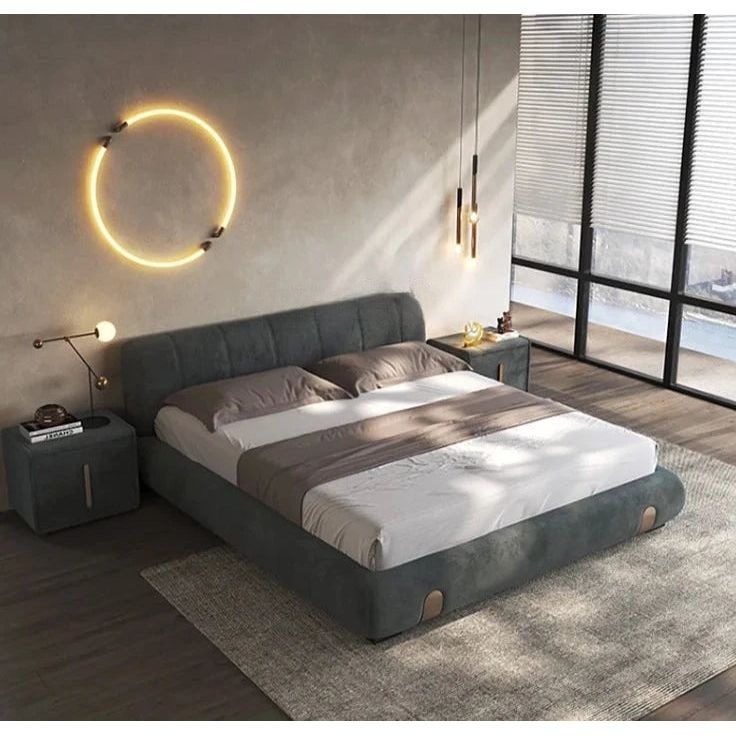
The purpose of a bed is much more than supporting a mattress. In a well-planned bedroom, the bed provides the visual rhythm that will determine the overall appearance of the room. When the various components fit properly, the bed establishes itself as the focal point of the space, affecting the perception of all other items in the room. A bed is a true show stopper by not having a lot of extra detail, but by being well balanced, well proportioned, and having a strong presence in the room.
Luxury beds are made up of very high-quality materials. While creating luxury beds, professionals pay attention to maintaining balance by ensuring the right proportion, using good-quality materials, and ensuring design clarity. Instead of overpowering the room, they impart a sense of order that makes the space feel comfortable and deliberate.


Why the Bed Naturally Leads the Room
The bed usually occupies the largest visual space in a bedroom. It is often the first element the eye lands on and the piece around which all other furniture is arranged. When the bed feels grounded and considered, the room immediately feels more cohesive.
A well-thought-out bed creates hierarchy in the room by providing a visual focal point and allowing all of the other furnishings to support it rather than compete against it. For this reason, good design fundamentals are much more important than just following current decorative trends.
Proportion Creates Presence Without Overpowering
One of the biggest mistakes when designing a bedroom is concentrating on size only. The feeling or aura of an object depends more on its proportion than on its scale alone.
Some of the main factors that determine the balance are:
- A headboard height that goes well with a ceiling height
- A base that holds the mattress without looking cumbersome
- Equal spacing on both sides of the bed
Living with Luxury beds are carefully crafted to be a good fit for the room. They are so well balanced that they allow the living area to be free and functional.
Headboards That Shape the Mood
The headboard plays a central role in defining the character of a bed. It frames the sleeping area and influences how the room feels overall.
Headboards can be designed in various forms, producing different effects. For example:
- Upholstered headboards can soften a room’s environment and provide warmth
- Wood and rattan headboards provide visual texture and depth
- Clean-line headboards support a modern, calming aesthetic in your home
Well-designed headboards should avoid excess ornamentation; they derive their impact from form, finish, and proportion.
Materials That Hold Their Appeal Over Time
Material choice affects both appearance and longevity. A bed should maintain its visual quality even after being used for several months and years.
Living with Luxury focuses on materials that balance comfort with durability, including:
- Upholstery that keeps its structure
- Solid wood elements for strength
- Neutral finishes that adapt to changing décor
These choices help beds remain relevant even as surrounding styles evolve.
Storage That Works Quietly in the Background
Practical features should enhance a bed rather than distract from it. Storage beds succeed when function is integrated seamlessly into the design.
Effective storage beds offer:
- Concealed drawers or lift-up bases
- Clean exterior lines
- Efficient use of space without visual clutter
When storage is built into the structure, it supports everyday living while preserving the overall look.
How the Bed Connects With the Space Around It
A showstopper bed works because it belongs in the room. Lighting, wall finishes, and circulation space all influence how the bed is perceived.
Important considerations include:
- Backdrop colour behind the headboard
- Lighting that highlights texture gently
- Clear pathways around the bed
Versatile designs allow the bed to adapt easily to both contemporary and classic interiors.
Supporting Pieces That Complete the Look
Even the most striking bed benefits from thoughtful supporting furniture. Side pieces, in particular, sit close to the bed and are used daily, which makes their design and scale especially important.
Supporting furniture should reinforce the bed rather than distract from it. Pieces that are too large can overwhelm the layout, while undersized items can make the room feel unresolved. Balance comes from alignment in height, finish, and visual weight.
When supporting pieces share similar materials or complementary tones, the bedroom feels unified. Symmetry on either side of the bed also introduces calm, helping the room feel organised and complete.
The Role of Bedside Furniture in Visual Balance
Pairing the bed with well-proportioned luxury bedside tables strengthens the overall composition of the room. When height, material, and finish align with the bed frame, the result feels deliberate and cohesive.
Rather than acting as an accessory, the bedside table becomes part of the structure of the space. This connection helps the bedroom feel settled and finished, not styled for display.
Conclusion
An ordinary bed becomes a bedroom showstopper through proportion, material quality, and how well it works with the surrounding furniture. Thoughtful design choices create presence without excess, allowing the bed to anchor the room with quiet confidence. Living with Luxury demonstrates that when structure and supporting pieces are chosen carefully, the entire bedroom benefits from clarity, balance, and long-term appeal.
FAQs
What makes a bed stand out visually?
Strong proportions, quality materials, and a headboard that frames the space effectively all contribute to visual impact.
Can storage beds still look refined?
Yes. When storage is integrated into the design, it adds function without disrupting the overall look.
Is symmetry necessary in bedroom layouts?
Symmetry creates calm and balance, though subtle variation can work when proportions remain consistent.