



















































In the modern world of electronics, innovation demands adaptability. Devices are becoming smaller, smarter, and more versatile than ever before, and traditional rigid circuit boards can sometimes hold back design possibilities. This is where flexible printed circuit solutions shine. They provide the flexibility, reliability, and performance needed to bring cutting-edge electronics projects to life.
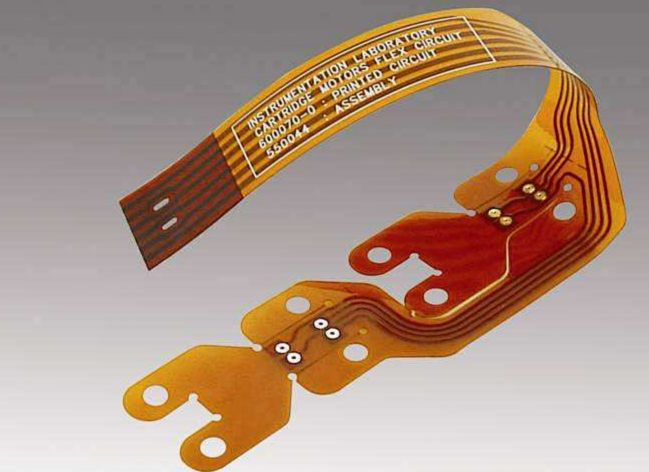
Flexible printed circuits, often called flexible PCBs, are designed to bend, twist, and conform to complex shapes without losing electrical integrity. They open new doors for engineers and designers, allowing them to create devices that are not only compact but also efficient and durable. From wearable electronics to medical devices, consumer gadgets, and automotive systems, flexible circuits are transforming the way electronic products are designed and manufactured.

Understanding Flexible Printed Circuits
A flexible printed circuit is made from materials like polyimide or polyester, which allow the board to flex and move while maintaining reliable electrical connections. Unlike rigid PCBs, flexible circuits can fit into confined spaces, wrap around corners, and even fold multiple times without damage.
Applications for flexible printed circuits include:
- Wearable Technology – Smartwatches, fitness trackers, and other devices that require compact, curved circuit designs.
- Medical Devices – Sensors, diagnostic equipment, and implantable devices benefit from circuits that conform to organic shapes.
- Consumer Electronics – Foldable phones, compact drones, and miniaturized gadgets rely on flexible circuits for space efficiency.
- Automotive Systems – Flex circuits allow electronics to be placed in tight spaces while resisting vibration and temperature changes.
By enabling these possibilities, flexible printed circuits provide the freedom to innovate without being limited by conventional design constraints.
Advantages of Flexible Printed Circuit Solutions
Flexible printed circuits offer numerous benefits that make them an attractive choice for engineers and manufacturers:
- Space Optimization – Flexible boards can bend and fold to fit intricate designs, reducing overall device size and weight.
- Simplified Assembly – By replacing multiple connectors and cables, flexible circuits streamline assembly and improve reliability.
- Durability – They are resistant to vibration, mechanical stress, and temperature variations, making them ideal for demanding applications.
- Rapid Prototyping – Engineers can quickly test and iterate on designs, accelerating development timelines.
- Cost Efficiency – Fewer parts, simplified assembly, and reduced failure points help lower production costs over the long term.
These advantages make flexible printed circuits a practical and innovative solution for a wide range of industries.
How Flexible Circuits Transform Electronics Projects
Flexible printed circuits do more than just save space—they allow engineers to rethink how devices are designed and built. By integrating circuits into unconventional shapes, products can become more ergonomic, lighter, and visually appealing.
For example, wearable health monitors can conform to the human body for better readings and comfort. Foldable electronics can incorporate circuits that bend seamlessly, while automotive sensors and modules fit into areas that were previously inaccessible. Flexible circuits also reduce wiring complexity, minimize potential failure points, and enhance overall system reliability.
In short, flexible circuits empower designers to create innovative, high-performance electronics that were once impossible with rigid boards.
Why Choose FastTurn PCB for Flexible Printed Circuits
FastTurn PCB is a trusted provider of flexible printed circuit solutions, known for combining speed, quality, and precision. Their team of skilled technicians and modern manufacturing processes ensures that every flexible PCB meets exacting standards while adhering to tight project timelines.
Key advantages of partnering with FastTurn PCB include:
- Advanced Manufacturing – High-tech machinery and expertise produce precise and reliable flexible circuits.
- Design Collaboration – Engineers can work with FastTurn PCB to optimize layouts and performance before production.
- Rapid Turnaround – From prototypes to small production runs, FastTurn PCB delivers flexible circuits quickly and efficiently.
- Custom Solutions – Flexible PCBs can be tailored to meet unique project requirements, including material selection, layer count, and dimensions.
With FastTurn PCB, engineers gain access to flexible printed circuit solutions that support innovation and accelerate product development.
Conclusion
As electronics continue to evolve, flexibility and innovation are more important than ever. Flexible printed circuit solutions offer unmatched adaptability, durability, and efficiency, enabling designers to bring advanced electronics projects to life.
For engineers and companies seeking speed, precision, and reliability, FastTurn PCB is the go-to partner. Their expertise in flexible PCB manufacturing ensures that projects are executed flawlessly, from prototypes to production, giving you the freedom to innovate without compromise. By choosing FastTurn PCB, your electronics projects are set up for success, with flexible circuits that push the boundaries of what’s possible.