



















































Introduction: Why a Mechanical Watch Feels Alive
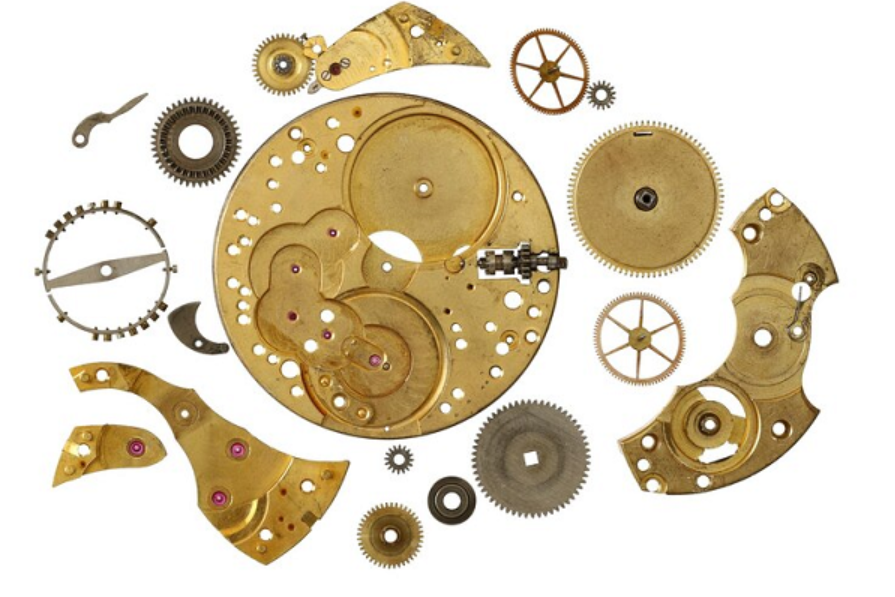
A mechanical watch feels “alive” because it runs using tiny moving parts instead of a battery. When people search for mechanical watch movement explained, they want to understand why these watches tick, move, and respond to human touch. A Mechanical watch movement uses springs, gears, and wheels that work together in harmony. This is the core of watch movement basics. Every tick comes from real motion, which creates a sense of life. This is also why many collectors prefer mechanical watches over quartz, even if quartz is more accurate.
Watch Mainspring Explained: The Heart of the Watch
The mainspring is the main power source inside a mechanical watch. A simple watch mainspring explained means knowing it stores energy when you wind the watch. The mainspring function is to release this energy slowly and evenly. This controls how the watch runs throughout the day. The stored energy is also related to power reserve explained, which tells you how long the watch can run without winding. High-quality mechanical watch movement helps the mainspring last longer and perform better over time.

How a Mechanical Watch Works Step by Step
To understand how a mechanical watch works, imagine energy moving through a system. First, energy comes from winding the mainspring. Next, this energy passes through the gears. This is where the gear train explained becomes important. The gears reduce speed and control force. After that, energy reaches the escapement and balance wheel. This flow of power keeps the hands moving smoothly. Each step depends on the previous one, which is why proper assembly and quality Mechanical watch movement parts matter so much.
Escapement and Balance Wheel: The Time Controller
The escapement and balance wheel control how fast the watch runs. They release energy in small, equal steps, which is why why mechanical watches tick is directly linked to this system. The balance wheel swings back and forth like a heartbeat. This movement affects amplitude and timekeeping, which plays a big role in accuracy. A good balance system ensures stable timekeeping, even when the watch is worn daily. Many modern watches also include a shock protection system to protect these delicate parts.
Automatic vs Manual Watch: What’s the Difference?
The debate of automatic vs manual watch is about how the mainspring gets wound. Manual watches need hand winding, which makes winding a mechanical watch part of a daily routine. Automatic watches use motion from your wrist. An automatic rotor explained shows how a rotating weight winds the mainspring as you move. Both systems rely on the same core movement. Choosing between them depends on personal preference, lifestyle, and how connected you want to feel to your watch.
Watch Accuracy vs Quartz: Why Mechanical Watches Vary
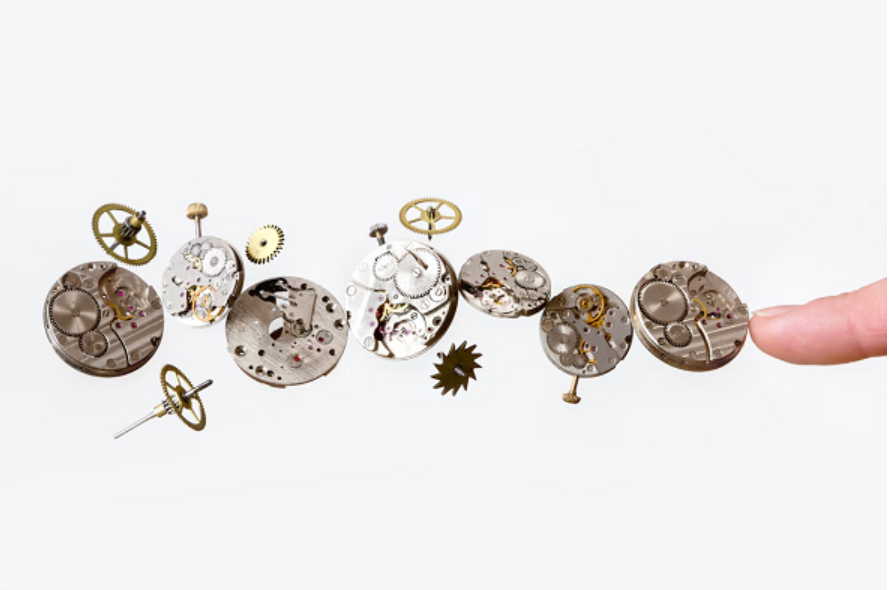
When comparing watch accuracy vs quartz, quartz watches usually win. Mechanical watches can gain or lose a few seconds each day. This happens because temperature, position, and wear affect the movement. Still, fans love mechanical watches because imperfections make them unique. Small changes in amplitude and timekeeping give each watch its own character. Regular servicing and quality components like Sofly watch parts can greatly improve consistency and long-term accuracy.
Common Issues: Overwinding Myth and Mainspring Failure Signs
Many people worry about breaking their watch by winding it too much. The overwinding myth is mostly false in modern watches because they have safety systems. However, mainspring failure signs include reduced power reserve, stopping early, or uneven timekeeping. These issues mean it’s time for service. Knowing the service interval for mechanical watches is important. Most watches need service every 3 to 5 years to stay healthy and accurate.
Conclusion: Why Mechanical Watches Truly Feel Alive
A mechanical watch feels alive because it depends on motion, balance, and care. From the watch mainspring explained to the gears, escapement, and rotor, every part works together like a living system. Understanding mechanical watch movement explained helps you appreciate the craftsmanship behind each tick. Even with lower accuracy than quartz, the emotional value is higher. With proper maintenance, quality Mechanical watch movement parts, and regular service, your mechanical watch can last for generations and continue to feel truly alive.