



















































Improving home insulation is a vital step towards achieving energy efficiency and enhancing indoor comfort. As energy costs continue to rise, finding sustainable and cost-effective solutions has become more important than ever. This article explores effective strategies to enhance home insulation, helping homeowners save money while contributing to environmental sustainability.
In recent times, there has been a growing interest in making homes more energy-efficient. Proper insulation is one of the most impactful methods for reducing energy consumption and improving indoor comfort. Carpet Underlay can play a crucial role in enhancing your home’s insulation, providing an additional layer of warmth and soundproofing. By understanding and implementing effective insulation strategies, you can significantly reduce your energy bills and create a more comfortable living environment.


Understanding the basics of home insulation
Home insulation acts as a barrier to heat flow, keeping your indoor temperature stable regardless of the season. It reduces the need for heating in winter and cooling in summer, ultimately leading to lower energy bills. Effective insulation not only helps in maintaining a comfortable temperature but also reduces noise levels within the home. By investing in quality insulation materials, you can enhance both the thermal and acoustic properties of your living space.
The benefits of home insulation extend beyond just cost savings. By decreasing your reliance on heating and cooling systems, you contribute to reducing carbon emissions, making it an environmentally friendly choice. Additionally, well-insulated homes are more resilient to external temperature fluctuations, which can enhance the durability of your property over time. Whether you’re building a new home or renovating an existing one, understanding the fundamentals of home insulation is crucial for achieving long-term energy efficiency.
Key methods to improve home insulation effectively
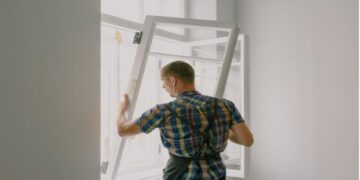
Improving home insulation involves several strategies that address different areas of the house. Upgrading windows and doors is a common method to prevent air leaks, while adding attic insulation can significantly reduce heat loss from the roof. Floor insulation is another critical component that often gets overlooked. It plays a significant role in overall energy efficiency by preventing heat loss through the ground.
Properly insulating your floors can lead to noticeable improvements in comfort and energy savings. Consider using high-quality materials like foam boards or mineral wool underfloor insulations that offer excellent thermal resistance. Each area of your home requires specific attention when it comes to insulation, ensuring that all potential heat loss paths are adequately sealed. By implementing these strategies, you can create a well-insulated home that maximises energy efficiency.
Modern materials and technologies in home insulation
The field of home insulation has seen significant advancements with new materials and technologies emerging to meet the demands for better energy conservation. Innovative products like spray foam offer superior sealing properties compared to traditional materials, filling gaps and crevices effectively. These technologies not only improve thermal performance but also enhance moisture control within the building envelope.
Sustainable materials such as recycled cotton or cellulose provide eco-friendly options that align with green building practices. These materials contribute to reducing environmental impact while delivering excellent insulating properties. As technology advances, homeowners have access to a variety of options that suit different needs and budgets, allowing for personalised solutions in achieving optimal insulation results.
Practical advice for homeowners on improving insulation
For those looking to enhance their home’s insulation, several practical steps can be taken. Begin by conducting an energy audit to identify areas that require improvement; this will help prioritise upgrades based on their potential impact on energy savings. When selecting materials, consider factors such as R-value, which indicates thermal resistance, ensuring you choose products that meet your specific climate needs.
Professional installation is often recommended for complex projects to ensure proper application and maximise effectiveness. However, if opting for a DIY approach, focus on areas with significant heat loss potential like attics or basements first. Investing in quality materials might involve higher upfront costs but leads to substantial long-term savings by reducing energy consumption year-round.

David Prior
David Prior is the editor of Today News, responsible for the overall editorial strategy. He is an NCTJ-qualified journalist with over 20 years’ experience, and is also editor of the award-winning hyperlocal news title Altrincham Today. His LinkedIn profile is here.