




















































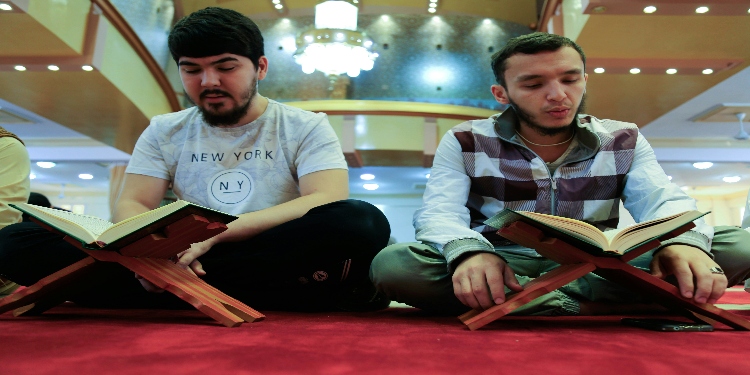
Across the UK, more young British Muslims are turning to the Quran for peace of mind and emotional balance. In a world filled with constant pressure, social media noise, and rising mental health struggles, many are rediscovering comfort in their faith. Reading and reflecting on Quranic verses offers a sense of grounding — a quiet escape from anxiety, confusion, and burnout.
For these young individuals, it’s not just about religion; it’s about reconnecting with something deeper that helps them cope, think clearly, and find hope in tough times. As mental well-being becomes a national concern, this spiritual turn shows how faith and mindfulness can come together to create genuine inner calm in everyday life.


A New Shift Among Young British Muslims
Across cities like London, Birmingham, and Manchester, young British Muslims are quietly turning to the Quran to find emotional balance. Many of them say the Quran gives them peace that modern therapy, social media, or self-help apps simply can’t match. It’s a return to faith, but through a new, personal lens — one that focuses on healing, reflection, and self-awareness.
Mental health challenges among youth in the UK have risen sharply in recent years. Anxiety, depression, and loneliness are more common than ever. In this atmosphere, faith has become a source of grounding, helping young Muslims reconnect with purpose and hope.
Why Mental Health Is a Growing Concern and How the Quran Comes In
According to NHS data, nearly one in five young people in the UK experiences a mental health issue each year. The pressures of exams, career uncertainty, and social isolation have taken a toll. Add to that the identity challenges British Muslims often face — balancing modern life with cultural and religious expectations — and the stress can be overwhelming.
Many young Muslims say they used to feel torn between their faith and the fast pace of life in Britain. Now, they’re realizing that the Quran isn’t separate from mental well-being — it’s deeply connected to it.
The Quran as a Source of Calm and Clarity
For centuries, the Quran has been a source of comfort for believers. But today’s youth are reading it differently — through the lens of emotional well-being. Verses that speak about patience, gratitude, and trust in Allah (Tawakkul) now resonate on a deeply personal level.
For example, Surah Ar-Ra’d (13:28) says:
“Surely in the remembrance of Allah do hearts find peace.”
This single verse has become a reminder for many that inner calm doesn’t come from external success but from spiritual connection.
How the Quran Helps with Modern Struggles
Many young British Muslims are finding that applying Quranic principles brings structure and stability to their daily lives.
Here’s how it’s helping them cope:
| Challenge | Quranic Guidance | Emotional Impact |
| Anxiety about the future | “And rely upon Allah; and sufficient is Allah as Disposer of affairs.” (Surah Al-Ahzab 33:3) | Builds trust and reduces fear. |
| Feeling lost or directionless | “Indeed, with hardship [will be] ease.” (Surah Ash-Sharh 94:6) | Offers reassurance and patience. |
| Struggling with self-worth | “Allah does not burden a soul beyond that it can bear.” (Surah Al-Baqarah 2:286) | Encourages self-belief and resilience. |
| Overthinking or guilt | “Do not despair of the mercy of Allah.” (Surah Az-Zumar 39:53) | Inspires hope and forgiveness. |
According to Mishkah Academy, this connection between scripture and mental well-being is not abstract — it’s deeply practical. It’s helping people manage stress, improve focus, and feel emotionally lighter.
Simple Ways Young Muslims Are Using the Quran for Healing
Many young British Muslims are creating personal routines to integrate the Quran into their daily lives. It’s not about strict schedules or long hours of study — it’s about finding comfort through consistency.
Here’s a simple approach many follow:
1. Start with one short Surah daily – For example, reading Surah Al-Ikhlas every morning brings focus and peace.
2. Reflect on one verse’s meaning – Journaling or discussing it with friends helps deepen understanding.
3. Listen to recitations before bed – Soft recitations can calm the mind and improve sleep.
4. Join Quran study circles – Many mosques and online groups in the UK now host youth sessions focusing on emotional lessons from the Quran.
5. Replace negative thoughts with dhikr (remembrance) – Saying SubhanAllah, Alhamdulillah, or Allahu Akbar helps shift the mindset from worry to gratitude.
These steps are simple but powerful. They’re helping many youth find stability amid life’s chaos.
What Makes This Trend So Unique in the UK
Unlike traditional religious learning, this movement isn’t driven by obligation or family pressure. It’s personal and self-motivated. Many young Muslims say the Quran has become their “mental health guidebook.”
British-born Muslims often face unique challenges — identity confusion, cultural expectations, and the constant rush of modern life. Turning to the Quran through practices like joining a hifdh course offers them a safe space to slow down and reflect. It reminds them they belong, that they are seen, and that Allah’s words are timeless, even in a fast-paced world.
This is also reshaping how mosques and Islamic centres approach youth engagement. Many now host workshops on “Faith and Mental Health” or “Quran for Emotional Wellness,” showing that religion and well-being go hand in hand.
Final Words
As mental health awareness grows, the return to Quranic reflection shows how young Muslims are blending faith with self-care. It’s not about rejecting therapy or modern support systems — it’s about complementing them with spiritual grounding.
For many, this balance is the key to lasting peace. The Quran offers direction, reassurance, and hope — three things every young person in the UK could use in today’s uncertain world.