





















































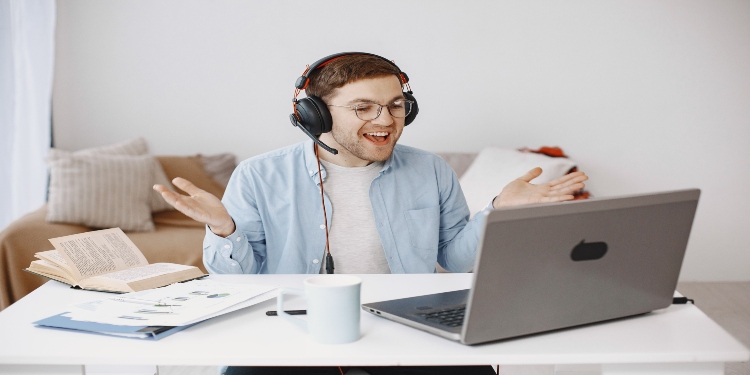
Open-ear headphones can be very good for video calls, especially if you want comfort, awareness of your surroundings, and less ear fatigue during long meetings. Unlike in-ear models that seal the ear canal, open-ear designs let you hear your own voice more naturally, which can make conversations feel less isolating and reduce the urge to speak too loudly. They are also useful when you need to stay alert to coworkers, family members, or a doorbell while working. The tradeoff is that call performance depends heavily on microphone quality, noise handling, and Bluetooth reliability. If those areas are well designed, open-ear headphones can handle calls confidently. If not, background sound and weaker voice pickup can limit their usefulness in louder environments.
How Well Do Open-Ear Headphones Work for Video Calls?
Microphone Quality and Voice Clarity
Open-ear headphones work well for video calls when their microphones are designed to isolate speech instead of simply capturing everything around you. Because the speakers sit outside the ear canal, call quality relies more on mic tuning and noise processing than on playback volume alone. Models with multiple microphones and AI noise reduction usually perform better, especially in home offices or cafés. For example, Anker soundcore AeroClip uses four microphones with AI call processing to reduce external noise and wind, helping speech sound clearer and more focused. That setup can make a noticeable difference on work calls where intelligibility matters more than studio-level fidelity. Strong microphone performance is what turns open-ear convenience into dependable video call usability.


Audio Playback and Listening Comfort
Playback quality on open ear headphones is usually clear enough for meetings, presentations, and everyday conversation, even if it is less immersive than sealed earbuds. Voices tend to sound natural, and the open design helps you hear yourself clearly, which supports more relaxed speaking during calls. Comfort is a major advantage here. Since nothing sits deep in the ear canal, pressure builds less over time, making long meetings easier to tolerate. The Anker soundcore AeroClip uses a non-intrusive open-ear clip-on design, a flexible open-ring fit, and a lightweight 5.9 g build for extended wear. Its directional audio also helps guide sound toward the ear while reducing leakage, improving privacy without sacrificing all-day comfort.
What Affects Open-Ear Headphone Call Quality?
Background Noise, Wind and Microphone Noise Reduction
Background noise is one of the biggest factors in open-ear call performance. Because your ears remain open, you hear more of the environment, and the microphones may also need to work harder to separate your voice from nearby sound. Good call processing can solve much of this. Noise reduction software helps suppress keyboard clicks, HVAC hum, traffic, and crowd noise, while wind filtering becomes especially important outdoors. Without those features, callers may hear bursts of air or shifting ambient noise that makes speech harder to follow. Strong mic placement also matters, since better positioning improves voice pickup before software correction even begins. For cleaner calls, quiet indoor spaces still give open-ear models their best chance to excel.
Bluetooth Stability, Connection Range and Audio Delay
A stable Bluetooth connection matters just as much as microphone quality during video calls. Dropouts, brief audio gaps, and syncing lag can make conversations feel choppy, even if the headphones sound good otherwise. Newer Bluetooth versions generally improve connection reliability, power efficiency, and multipoint behavior when you switch between a laptop and phone. Reliable range also helps if you stand up, move around the room, or step away from your desk while staying on a call. Low audio delay is useful because it keeps voices and lip movement feeling more aligned during video meetings. Multipoint support can also streamline workdays by letting you stay connected to two devices at once instead of manually reconnecting between calls.
When Should You Use Open-Ear Headphones for Video Calls?
Remote Work, Online Meetings and Long Conference Calls
Open-ear headphones are a strong choice for remote work when comfort and awareness matter more than total isolation. They suit long conference calls, daily check-ins, webinars, and back-to-back meetings where traditional earbuds may start to feel tiring. Because your ears stay open, you can hear your surroundings, your keyboard, and your own speaking volume more naturally, which can reduce fatigue over several hours. They are especially useful for people who dislike ear pressure or need to stay reachable while working from home. If your meetings mostly happen indoors in controlled noise conditions, open-ear models can provide a comfortable, practical calling setup. They fit best in workflows that prioritize communication, comfort, and flexibility over immersive listening.
Outdoor Calls and Shared Workspaces: Benefits
Open-ear headphones can also work well in shared workspaces and on outdoor calls when staying aware of your environment is important. In a coworking space, you can listen to a meeting while still noticing someone speaking to you nearby. Outdoors, you can remain more alert to traffic, announcements, or other surroundings than you would with sealed earbuds. That awareness is a real safety and convenience benefit. In shared spaces, open-ear designs also reduce the closed-off feeling that some people dislike during long work sessions. For occasional walking meetings, they can be especially practical. The main caution is noise level: the busier the setting, the more you need strong microphone noise reduction to keep your voice clear to others.
Conclusion
Open-ear headphones are good for video calls when you value comfort, situational awareness, and a more natural speaking experience. They are especially effective for remote work, long meetings, and flexible workdays where you may need to hear both the call and the room around you. The best results come from models with strong microphones, effective noise reduction, stable Bluetooth, and a secure fit that stays comfortable for hours. They are not the top choice for very loud environments, but in typical home, office, and moderate outdoor settings, they can perform very well. If your priority is clear communication without the plugged-in feeling of traditional earbuds, open-ear headphones are a practical and often better-than-expected option for regular video calls and daily professional use.