


















































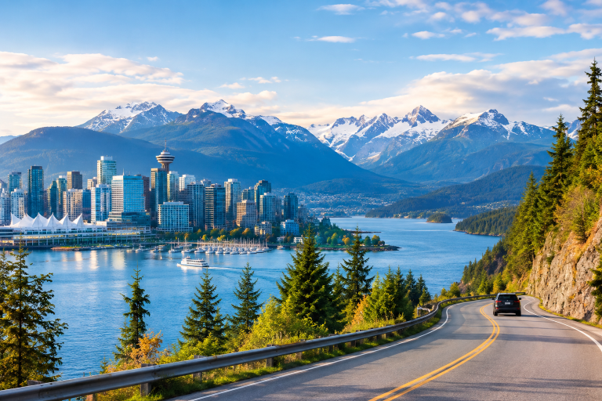
British Columbia is one of those destinations where the journey can be just as memorable as the place you planned to visit. Vancouver offers a mix of city life, waterfront scenery, food, culture, and outdoor activities, while the mountains beyond the city provide an entirely different experience. For travelers planning a trip to western Canada, combining Vancouver with a mountain destination such as Whistler can turn a simple city break into a much more complete adventure.
One of the biggest advantages of exploring this part of Canada is that you do not have to travel extremely far to move from an urban environment into spectacular mountain landscapes. Within a few hours, travelers can go from Vancouver’s busy streets to forests, waterfalls, alpine scenery, and the famous Sea-to-Sky corridor.

Why Vancouver Is a Great Starting Point
Vancouver is often used as the starting point for exploring British Columbia because it offers convenient access to both urban attractions and outdoor destinations. The city itself can easily fill several days with activities.
Visitors can explore Stanley Park, walk along the waterfront, spend time around Granville Island, discover different neighborhoods, or simply enjoy views of the mountains and ocean. Vancouver also works well as a base because there are several transportation options available for travelers who do not want to rent a car.
However, spending the entire trip inside the city means missing one of the most scenic parts of the region.
The area north of Vancouver is where the landscape begins to change dramatically. Forests become denser, mountains rise higher, and the coastline creates impressive views along the route toward Squamish and Whistler.
Adding Whistler to Your Vancouver Itinerary
Whistler is one of the most popular mountain destinations in British Columbia, and its appeal is not limited to winter skiing. During the warmer months, visitors come for hiking, mountain biking, sightseeing, wildlife experiences, and the surrounding scenery.
The village itself is another attraction. Whistler Village has a pedestrian-friendly layout with restaurants, cafés, shops, accommodation, and places where visitors can relax after a day outdoors.
If you are visiting during winter, skiing and snowboarding are naturally among the biggest attractions. But travelers who do not participate in winter sports can still enjoy the mountain atmosphere, scenic gondola rides, snowy walks, restaurants, and village activities.
Before planning your trip, it is worth considering what kind of experience you want. A summer visit can be ideal for hiking and sightseeing, while winter offers a completely different atmosphere with snow-covered mountains and a strong ski-resort feel.
For travelers who want a more detailed overview of the destination, this Whistler travel guide covering things to know before visiting can be a useful resource.
The Sea-to-Sky Highway Is Part of the Experience
One of the biggest mistakes travelers can make is thinking of the journey from Vancouver to Whistler as simply transportation.
Highway 99, better known as the Sea-to-Sky Highway, is an important part of the experience. The route runs along Howe Sound and through some of British Columbia’s most impressive coastal and mountain scenery.
The drive from Vancouver to Whistler is roughly 120 kilometres, and under good conditions it can take around two hours. Traffic, weather, road conditions, and sightseeing stops can make the journey considerably longer, so travelers should avoid planning their schedule too tightly.
Instead of treating the drive as something to get through quickly, consider turning it into a small road trip.
Stops Worth Considering Along the Way
There are several places where travelers can stop between Vancouver and Whistler.
Horseshoe Bay
Horseshoe Bay is a natural starting point for the Sea-to-Sky journey. The community has a scenic waterfront and is also known for its ferry terminal.
It can be a convenient place to take a short break before continuing north.
Squamish
Squamish is one of the most popular stops on the route. Surrounded by mountains and outdoor attractions, it has developed into a destination in its own right.
Travelers can spend some time exploring the area, grabbing lunch, or simply enjoying the mountain views. If your schedule allows, spending a night in Squamish can also turn a quick Vancouver-to-Whistler journey into a more relaxed trip.
Shannon Falls
Shannon Falls is another popular stop along the corridor. The waterfall is easily accessible and gives travelers an opportunity to stretch their legs and enjoy a short nature stop without adding an entire day to the itinerary.
Sea to Sky Gondola
Near Squamish, the Sea to Sky Gondola provides another way to experience the landscape. Instead of viewing the mountains only from the highway, visitors can travel upward for panoramic views of the surrounding area.
Brandywine Falls
Brandywine Falls is another scenic stop between Squamish and Whistler. It is particularly useful for travelers who enjoy short walks and natural viewpoints rather than spending the entire day on a major hike.
The exact stops you choose should depend on the season, weather, available daylight, and how much time you have.
How Long Should You Spend in Whistler?
A day trip from Vancouver is possible, but staying overnight can make the experience considerably more enjoyable.
With a single day, travelers have to account for the drive in both directions, leaving less time to explore Whistler itself. An overnight stay allows you to arrive without rushing, enjoy the village in the evening, and start the following day fresh.
For a first visit, two or three nights can provide a good balance. You can spend one day exploring the village and nearby attractions and another day focusing on hiking, sightseeing, skiing, or another outdoor activity depending on the season.
Travelers with more time can also combine Whistler with Squamish and Vancouver for a longer British Columbia itinerary.
What About Travelers Coming From Seattle?
Vancouver is not only accessible from within Canada. Travelers visiting the Pacific Northwest can also combine Seattle and Vancouver in the same trip.
The two cities are connected by road, rail, bus, and other transportation options. The drive generally takes several hours, and travelers should remember that crossing the Canada–U.S. border is part of the journey.
Because border wait times can vary, it is sensible to leave some flexibility in your schedule rather than arranging an important activity immediately after your expected arrival time.
If Seattle is the starting point for your trip, planning the transportation in advance can make the entire journey easier. Travelers who want to understand the options and route can also check this guide to traveling from Seattle to Vancouver for additional planning information.
Choosing the Right Season
There is no single best season for visiting Vancouver and Whistler because each period offers something different.
Summer is popular for hiking, sightseeing, cycling, and enjoying long daylight hours. The landscapes are generally ideal for outdoor activities, although popular routes and attractions can become busy.
Fall brings cooler temperatures and changing foliage, creating a different atmosphere around the mountains and forests. It can be a good choice for travelers who prefer quieter surroundings.
Winter transforms Whistler into a major snow destination. Skiers and snowboarders come for the mountain conditions, while other visitors can enjoy the snowy scenery and resort atmosphere.
Spring can be more unpredictable, but it can also provide an interesting combination of changing conditions at different elevations.
Whatever season you choose, checking weather and road conditions before traveling is important, particularly when driving through mountain areas.
Driving or Taking a Shuttle?
Renting a car provides the greatest flexibility because you can decide when to leave Vancouver and which stops to visit along the way. It is especially useful for travelers who want to photograph viewpoints, visit waterfalls, or spend time around Squamish.
However, driving is not essential for everyone.
Travelers who prefer not to drive can look into shuttle and coach services between Vancouver and Whistler. This can remove the stress of mountain driving and parking while still allowing visitors to enjoy the destination.
The best choice depends on the style of your trip. A couple looking for a relaxed resort experience may be perfectly happy without a car, while a family or group planning multiple sightseeing stops may appreciate having their own vehicle.
A Simple Vancouver and Whistler Itinerary
For travelers with around five days, a simple itinerary could look like this:
Day 1: Explore Vancouver’s waterfront and major city attractions.
Day 2: Visit Stanley Park, Granville Island, and one of Vancouver’s neighborhoods.
Day 3: Travel along the Sea-to-Sky Highway toward Whistler, stopping at Squamish or one of the scenic attractions along the way.
Day 4: Spend a full day in Whistler exploring the village and enjoying seasonal activities.
Day 5: Return toward Vancouver or continue your wider British Columbia journey.
Travelers arriving from Seattle can add additional days to account for the international journey and border crossing.
Final Thoughts
A Vancouver trip does not have to be limited to restaurants, shopping, and city attractions. Some of the most memorable experiences in British Columbia begin once you leave the city behind.
Whistler provides a natural extension to a Vancouver vacation, while the Sea-to-Sky Highway makes getting there an attraction in itself. With mountain views, coastal scenery, waterfalls, forests, and outdoor activities along the way, the journey offers plenty of reasons to slow down and explore.
For travelers arriving from the United States, combining Seattle and Vancouver can make the trip even more interesting. With a little advance planning around transportation, weather, border crossings, and seasonal activities, it is possible to create an itinerary that balances city exploration with the natural beauty that makes British Columbia so appealing.
Whether you have only a weekend or a full week, giving yourself enough time to experience both Vancouver and the mountains beyond it can make your Canadian adventure much more rewarding.