



















































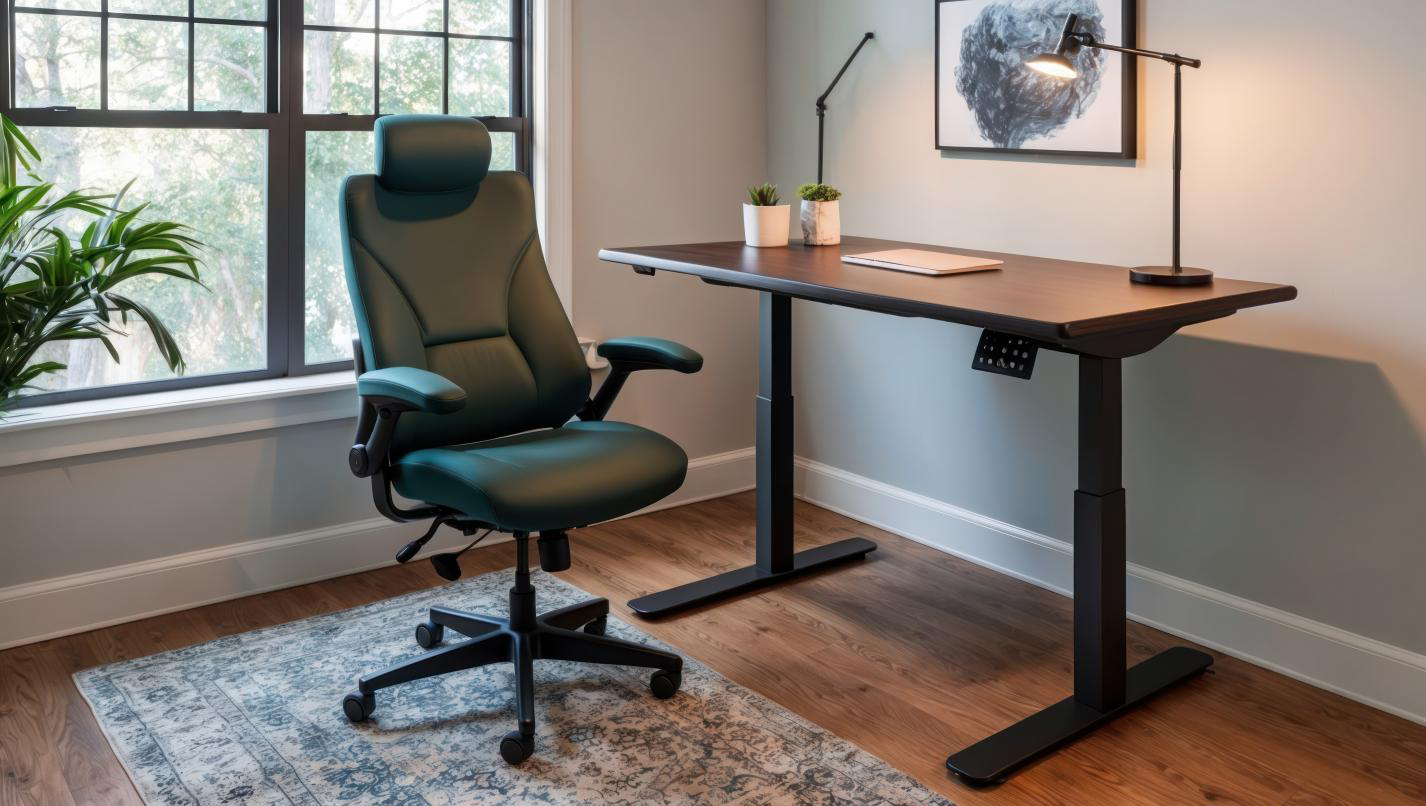
Only 26% of employees strongly agree that their current workplace helps them do their best work, according to Gensler’s 2025 Global Workplace Survey. As a result, choosing an office is no longer just about calculating rent costs. Founders must carefully consider whether the space they select will truly foster focus and support efficient daily routines.
That decision also demands discipline. Before analyzing the full commitment, an office may seem ideal because of lower headline rent, surplus capacity, or optimistic hiring estimates. Founders must compare prices, lease responsibilities, and working conditions that will shape the business after signing, and distinguish confirmed requirements from assumptions.


In this guide, we will explain how founders can accurately compare workspace costs and make disciplined office decisions.
Start With the Number the Advertised Rent Leaves Out
Office rent pitches can be misleading. To make focused decisions, separate headline rates from total financial commitments. Founders should review each offer thoroughly instead of acting on low estimates.
Compare Asking Rent with What the Deal is Actually Worth
This method builds a helpful decision-making discipline. Instead of letting an eye-catching headline figure influence your decision, compare reliable information.
CBRE’s effective-rent study takes a more comprehensive perspective. It includes rent increases, free rent, and tenant improvement allowances over the lease term. Compared with putting two advertised rental figures side by side, this is a much more practical way to compare competing offerings. Take two workplaces with differing structures, for instance
| Office A | Office B |
| Lower headline rent | Higher headline rent |
| No rent-free period | Rent-free period included |
| Tenant funds most of the fit-out | Landlord contributes to fit-out |
| Higher costs outside the rent | More costs included |
Office A might still be the superior choice. The point is that you can’t determine that just by looking at the monthly rent. To compare the economics of each plan on an equal footing, a founder should ask for enough information. These offers aren’t comparable if one landlord gives incentives while another only quotes a cheaper starting rate.
Put Rent-Free Periods and Fit-Out Contributions into the Calculation
Once rent has been negotiated, concessions are often treated as an added benefit. That’s not how you should think about it. Include them from the start in the pricing comparison.
In 2024, CBRE discovered that the average tenant-improvement allowance was $87.51 per square foot, while the average free rent in the new leases it examined was 8.9 months. These concessions were still 30% higher than they were before the pandemic, even if they had decreased from their 2023 levels.
Although market concessions vary, they significantly lower initial expenses. Ultimately, a higher-rent office with concessions can require less upfront cash than a cheaper space needing major upgrades, so founders must evaluate total out-of-pocket costs beyond base rent. Calculating these differences prevents reactive choices driven by attractive concessions or lower initial rates.
Identify What Sits Outside the Quoted Office Rent
The RICS Service Costs in Commercial Property standard in the UK requires these outgoings to be managed fairly, consistently, and transparently, making this a critical commercial factor rather than a minor administrative detail.
When additional expenses are significantly greater than those at another building, a cheaper base rent may lose appeal. Prior to comparing office spaces, founders ought to determine:
- What expenses does the rent quote cover?
- Which expenses will be billed separately?
- Is there a service-charge budget accessible right now?
- Which costs are subject to change over time?
- Under the lease, who bears the cost of maintenance, repairs, or reinstatement?
Service charges are a crucial component of the lease structure that controls operational cost recovery, according to RICS advice. The primary objective is to ensure that, when comparing options, every expense related to each office is clear.
A Lower Monthly Payment Can Hide a Larger Commitment
A lower monthly rent can make a workspace feel manageable while concealing a much larger obligation. Founders need discipline to avoid committing to a long-term lease just because today’s price seems affordable.
Compare the Commitment Behind the Monthly Payment
While focusing on monthly rent makes short-term budgeting easier, it often hides the true scope of a long-term business lease. A company may face substantial financial risk if a smaller monthly payment is tied to a strict, multi-year commitment, especially if operating plans change. Assessing lease terms in addition to base rent guarantees that the entire contract is in line with the business’s budget.
Instead of evaluating first-year rent alone, comprehensive lease evaluations account for long-term obligations. Lease duration, escalation clauses, and structural duties are crucial factors in calculating the overall cost of occupancy over time because most commercial agreements span several years. Before accepting a proposal, founders should assess the actual commitment they are taking on, not just today’s payment.:
- What is the duration of the business commitment?
- When can the rent be raised?
- Is it possible to take a break?
- What requirements must be met if the company wishes to depart?
- What takes place during renewal?
The goal isn’t to avoid longer leases automatically. For a steady business, a lengthier commitment may make financial sense. When you choose a term simply because it yields a more appealing monthly figure, an issue arises.
Read the Office Lease Terms That Can Change the Cost Later
Lease conditions that change your expenses after you sign matter most. Instead of judging an agreement based only on its first-year rate, pay special attention to rent reviews and escalations to understand how and when your payments can grow.
Next, examine exit conditions and break provisions. A right to depart is useful only when the circumstances and timing offer a practical way out. Also review your repair and reinstatement responsibilities, since repairing the space at the end of a tenancy may create unexpected costs.
Price the Exit Before You Need One
Finding the ideal location is the main goal of most searches, but founders should also consider expenses if plans change. A company may have to pay for idle space under a strict contract due to hiring slowdowns, funding delays, or changing work practices.
Before signing, founders must understand their exit position. Early risk assessment helps founders understand the financial impact of changes in space needs. Accounting for the cost of moving, downsizing, or shifting a lease in the first assessment helps avoid unexpected financial strain later.
Thinking through these possibilities beforehand isn’t about bracing for failure. It’s simply acknowledging that things change. A thoughtful decision factors in what happens if your initial plans don’t pan out as expected.
Do Not Pay Today for a Business Plan That Has Not Happened
Overpaying for office space is not always caused by a poor deal. Sometimes the acquisition makes sense, but the business has taken on more capacity than it can now support. This is especially important for entrepreneurs making choices about anticipated growth.
Separate Today’s Team from Tomorrow’s Hiring Forecast
A company that currently employs 15 people and wants to grow to 30 does not necessarily need an office space. The crucial differentiation is between:
- Verified headcount
- Recruiting in the near future that is already allocated for
- Longer-term growth projections
These groups carry different levels of certainty. Counting a tentative hiring plan as a definite requirement can lead to paying for extra space long before you actually need it.
When making an office decision, don’t give those categories equal weight. A founder may determine that it makes strategic sense to take on more space now. However, that ought to be a conscious cost choice rather than a reflexive reaction to an aggressive hiring projection. Instead, focus on how many people the office will genuinely need to accommodate over the time you are paying for.
Empty Capacity Costs More Than Unused Desks
An empty desk represents a tangible financial drag. Taking up extra space may result in the following costs:
- Extra square footage
- A more extensive fit-out
- Additional furnishings and equipment
- Increased building-related expenses
- A greater contractual obligation than what the company already requires
The real issue isn’t whether every desk gets used every day, but whether there’s a practical business reason to pay for them. Extra desks don’t magically boost productivity. Your workspace should support how your team actually works, rather than an ideal version of where you might be in a few years.
Compare Paying for Space Now with Paying for Flexibility Later
Renting the most space up front isn’t necessarily the most cost-effective way to prepare for expansion. In other cases, securing a smaller footprint with a genuine potential for future expansion could be a superior commercial alternative. The market and the existing office model determine the best answer, but the comparison should be clear.
Instead of making conventional concessions, landlords are increasingly offering flexible alternatives for expansion and reduction. Flexibility lets businesses scale as needed rather than pay upfront for empty space, though it isn’t always cheaper. The accuracy of your growth forecasts will determine the best option.
Use Focused Decision-Making When Comparing Office Proposals
Weighing multiple office proposals side by side gets messy fast when landlords format their numbers differently. Using a straightforward comparison framework cuts through the noise and keeps your focus where it belongs.
Put Every Proposal into the Same Framework
Put all significant proposals on a single comparison sheet before selecting an office.
| What to Compare | What Founders Should Check |
| Office rent | What is the quoted starting rate? |
| Effective deal cost | How do incentives and concessions change the economics? |
| Additional charges | What sits outside the quoted rent? |
| Office lease terms | How long is the commitment, and how rigid is it? |
| Future increases | How can the rent change over time? |
| Fit-out costs | Who pays to make the office usable? |
| Current space need | How much capacity does the business genuinely require? |
| Growth flexibility | Can the business expand without paying upfront for excess space? |
| Exit exposure | What remains payable if plans change? |
Consistency is what makes this workout valuable. A plan shouldn’t appear less expensive only because one landlord included fewer figures on the first page. This framework provides consistency, ensuring founders evaluate every proposal by the same criteria rather than focusing on a single standout number.
Compare Like for Like Before Deciding Which Office Is Cheaper
Not all pricing variations indicate overpaying. A better building in a more advantageous location may cost more. The initial requirements for an unfitted area and a fitted office are different. Different levels of commitment are associated with longer and shorter leases.
Comparing office deals involves more than price because different buildings have distinct features and related expenses that can significantly affect the overall arrangement. Instead of focusing only on the first headline rent, consider consistent elements such as lease commitments, usable space, and other expenses to ensure accurate comparisons. This ensures you assess the entire deal structure rather than letting minor price variations distract you from your true requirements.
Consider how the workspace affects daily productivity. A cheaper office with a difficult commute or poor environment can add hidden costs. Therefore, comparable variables are necessary for a meaningful comparison. Compare offices according to:
- Accessibility and location
- Useful space instead of merely the size of the headline
- Facilities and building quality
- Fit-out specifications
- Lease commitment
- Extra expenses
- Concessions made by landlords
Comparing a fully equipped office with a less expensive location that needs a significant upfront investment isn’t a simple rent comparison. They use entirely different pricing structures and serve different business needs. Throughout the search, the same idea holds true: compare the entire transaction, not just the most comparable number.
Make the Office Decision Deliberate, Not Reactive
Assess an office as part of how a business works, not just another monthly expense. Rent, incentives, service charges, fit-out costs, and lease obligations define the financial commitment, while location, capacity, and working conditions shape how employees use the space.
A more informed comparison starts with seeing what else is available before committing to one office. Office Hub helps businesses compare workspace options and review pricing terms. This gives founders a clear basis for choosing an office that fits their needs.