





















































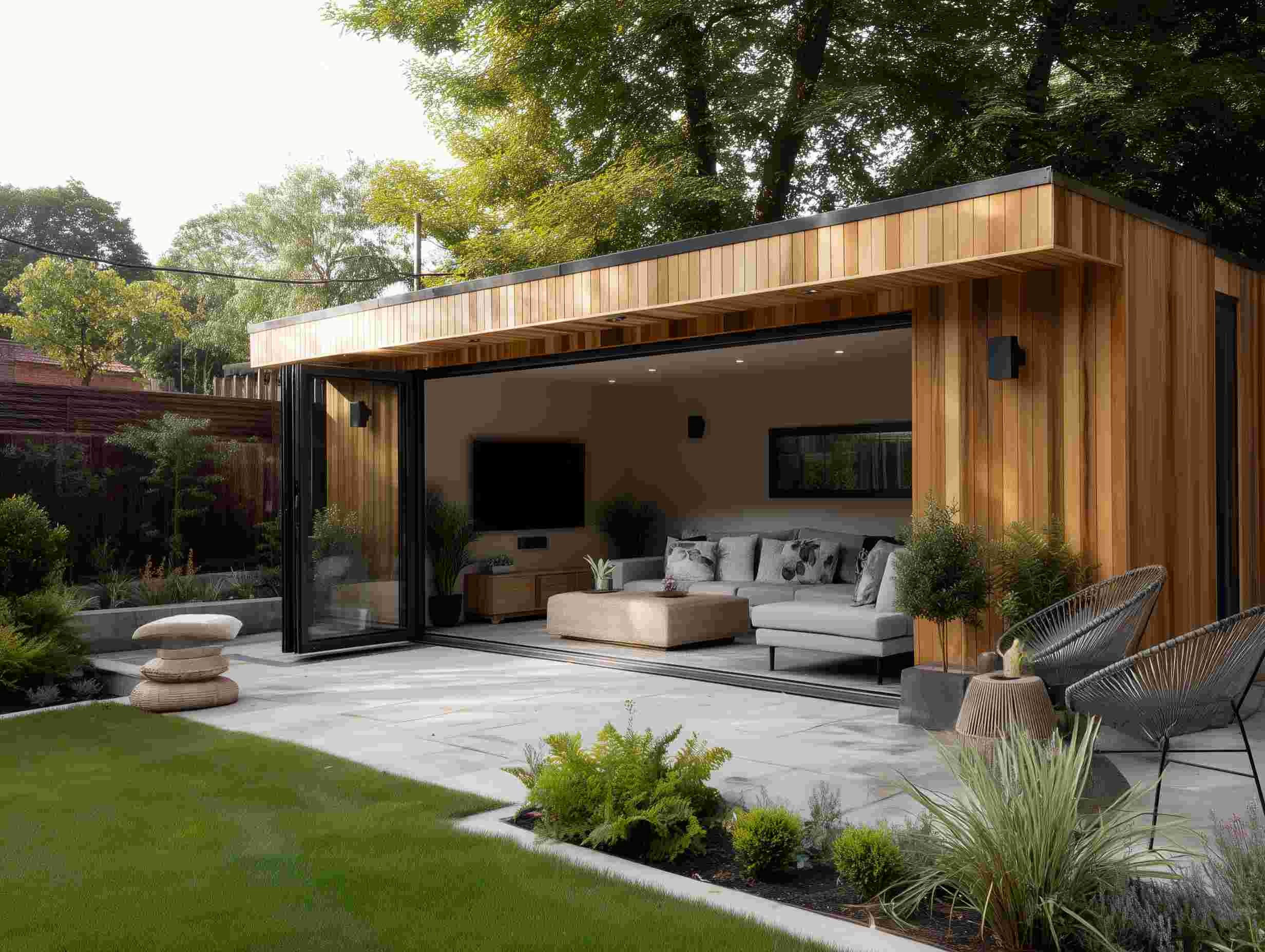
Gardening can be an enjoyable way to spend time outdoors, but routine upkeep can quickly consume a weekend. Mowing, weeding, pruning, edging and tidying all take time, particularly during the main growing season.
For busy households, the answer does not have to be removing plants or creating a garden with little character. Thoughtful design choices can reduce repetitive jobs while retaining an attractive space for relaxing, dining and family life. The key is to consider how much maintenance each feature requires before adding it.


Simplify Your Planting Scheme
Complicated borders containing numerous plants with different care requirements can create a lengthy list of seasonal tasks. A simpler planting scheme is often easier to manage.
Start by choosing hardy plants suited to the conditions in your garden. Soil type, sunlight, drainage and exposure can affect how well individual species perform. Plants suited to the site are generally easier to manage than those requiring frequent intervention to cope with unsuitable conditions.
Grouping plants with similar requirements can also make watering and general care simpler. Leaving appropriate space for their mature size may reduce the amount of pruning needed later.
Containers can work well where households want manageable areas of seasonal colour. Pots allow plants to be moved or replaced without redesigning an entire bed. They still require watering and other care, however, so filling every available space with containers may create additional work rather than reduce it.
Think About the Upkeep Different Surfaces Require
Garden surfaces have different maintenance requirements, and the right choice depends on how a household intends to use its outdoor space.
A traditional lawn offers a natural planted surface but usually requires mowing during the growing season, along with edging and other seasonal care. Paving can provide a practical area for furniture and entertaining, although cleaning and weeding management may still be required.
Some households may consider artificial grass where reducing mowing and lawn care is a priority. It has its own installation, cleaning and maintenance considerations, so suitability will depend on the property, intended use and personal preferences.
Gravel, decking and planted areas provide further possibilities. Rather than choosing a surface solely because it is described as low maintenance, consider the actual tasks associated with it and whether those suit the amount of time you want to spend on garden care.
Design Around How You Actually Use the Garden
A garden becomes easier to plan when every major area has a clear purpose. Consider what your household genuinely does outdoors rather than adding features simply because they are popular.
For example, a household that regularly eats outside might prioritise a defined dining area close to the house. Families with younger children may prefer an open activity space that can be seen easily from indoors. Those who mainly use the garden for reading or socialising might value comfortable seating and a smaller number of well-positioned planting areas.
Defined zones can also prevent the garden from becoming unnecessarily complicated. Paths can connect frequently used areas, while beds and boundaries can give planting a clear structure.
Features that receive little use but require frequent cleaning, pruning or other attention may be candidates for removal when redesigning the space.
Make Routine Jobs Quicker
Some garden maintenance will always remain, but good organisation can make regular jobs faster.
Accessible outdoor storage keeps tools close to where they are used. A shed, storage box or suitable cupboard can prevent time being wasted searching for secateurs, gloves and other everyday equipment. Keeping frequently used tools together also makes short gardening sessions easier.
Simple edging can reduce the time spent keeping boundaries between lawns, paths and beds neat. Straightforward layouts are generally easier to mow and maintain than areas containing numerous narrow sections or awkward corners.
It can also help to keep routes to bins, composting areas and outdoor taps clear. Small practical details can make repeated tasks noticeably less inconvenient over the course of a year.
Make the Garden Work for Your Free Time
A lower-maintenance garden does not need to look sparse or sacrifice the features a household enjoys. It simply requires greater attention to which jobs each design choice creates.
Simpler planting, suitable surfaces, purposeful zones and practical storage can reduce time spent on unwanted chores. That leaves more of the weekend available for the reason the garden exists in the first place: enjoying your outdoor space.