


















































Manchester City shirts became a global bestseller on the back of sustained on-pitch dominance, a roster of world-class stars, and heavy investment in worldwide commercial reach. Years of Premier League titles and a Champions League win turned City from a mid-table club into one of the most watched teams on earth, and success on that scale converts directly into shirt sales across dozens of countries. Winning changed everything about how the shirt sells.
The transformation is recent and dramatic, which is what makes it notable. Two decades ago City were a modestly supported club living in Manchester United’s shadow, and today their kits rank among the top sellers globally, a shift driven almost entirely by a period of unprecedented success and the players it attracted. The shirt’s rise is essentially the story of the club’s rise, compressed into a merchandise chart.


What turned Manchester City into a shirt-selling force?
Success is the engine. City have won multiple Premier League titles in recent seasons and completed a historic treble including the Champions League, and industry data consistently shows that trophies and title races drive merchandise sales more than almost anything else. Fans want to wear a winning shirt, and neutrals are drawn to a team playing the best football in the country, so the trophies translate straight into demand.
The players matter just as much. Erling Haaland’s arrival, breaking scoring records almost immediately, created one of the most in-demand names in world football to print on the back of a shirt, and playmakers like Kevin De Bruyne gave the team a global identity built on recognisable stars. A single superstar signing can lift shirt sales sharply, and City assembled several at once, each adding their own pull across different markets.
Style plays a quieter role. Under a celebrated manager, City became known for an attractive, dominant brand of football that attracted admirers well beyond their traditional support, converting casual viewers into buyers. When a team is both winning and enjoyable to watch, it accumulates fans who have no local connection but want to associate with the success, and that expanding neutral audience is a major source of new shirt sales.
How did City build a global fanbase so quickly?
Deliberate international investment did a lot of the heavy lifting. The club built a worldwide commercial operation, including a network of sister clubs across several continents under a single ownership group, which raised the brand’s profile in markets from the United States to India and beyond. This gave City a commercial footprint that would normally take decades to develop, accelerating the growth of an international following.
Winning made that investment pay off. A global marketing push only works if the team gives people a reason to follow, and City’s run of trophies provided exactly that, so the commercial groundwork and the on-pitch success reinforced each other. Fans in new markets encountered a club that was both heavily promoted and genuinely successful, a combination that turns curiosity into loyalty far faster than either would alone.
Digital reach amplified everything. City invested early and heavily in social media and online content, building large followings on the platforms where younger, international fans discover clubs, and that direct connection funnels attention toward the shirt. Research into sports consumption links strong digital engagement to higher merchandise sales, particularly among younger overseas fans, and City’s online presence is squarely aimed at exactly that audience.
What does a Manchester City shirt cost, and what should buyers know?
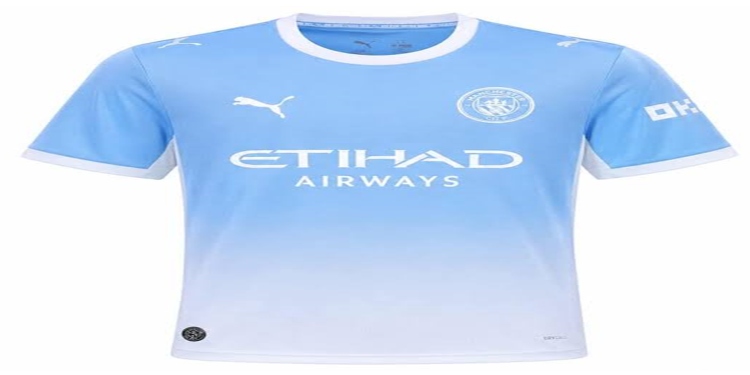
A current-season City home shirt sits in the standard Premier League replica price band, with authentic player-issue versions costing more, often 30 to 50 percent above the replica, and official name and number printing adding a fixed amount on top. The sky blue home kit is the biggest seller, but away and third designs draw their own demand, especially when a season produces a particularly popular alternate colourway.
One practical consideration with a club buying and selling stars is that printing a specific player’s name ties the shirt to that player, so if he moves on, the shirt dates quickly. Haaland and De Bruyne have been safe, iconic choices, but fans who personalise with a shorter-term signing sometimes find the name outlasts the player’s stay, which is worth weighing before committing to printing at checkout.
For buyers comparing the current designs or hunting for value on past-season kits, browsing the current and past City kits makes it easy to see the options together and to spot the season-specific details, from sponsor to collar, that distinguish each. Buying from a retailer that shows clear photos and sourcing protects against the counterfeits that inevitably follow any bestselling shirt, since fakes tend to proliferate fastest around the most popular clubs.
How demand differs across markets and buyer types
The appeal splits clearly by region. In City’s traditional Manchester heartland, sales lean on loyal local supporters who backed the club through leaner years and buy regardless of success, valuing the connection over the trophies. This core support is stable but smaller than the global audience the recent success has generated.
In international growth markets, particularly Asia, North America, and the Middle East, demand is driven heavily by the winning team and its stars rather than any local tie. These are markets where allegiance often forms around success and superstar players, so City’s recent dominance and names like Haaland have converted large numbers of new fans into shirt buyers, and this segment now accounts for a substantial share of global sales.
Buyer type matters too. Dedicated fans and collectors seek authentic kits and shirts tied to the treble-winning season, valuing the connection to a historic period, while casual and newer fans gravitate toward the current home shirt and the most famous name of the moment. Gift-buyers and fashion-led purchasers add another layer, drawn simply by the recognisable brand of a successful club. Knowing which group you fall into clarifies whether you’re buying for heritage, current success, or the star on the back.
What to weigh before buying a City shirt
If you want a shirt to wear and follow the current team, a standard replica delivers the authentic look at a reasonable price, and the smart-value play is often a past-season kit once the new one launches, when prices soften considerably. If you’re personalising, choose a name likely to stay at the club, since the shirt lasts years but the player might not.
The thing worth keeping in mind is that City’s shirt sales are closely tied to continued success, which makes the current era’s kits, especially those from the treble season, the ones most likely to hold sentimental and resale value over time. A shirt bound to a genuinely historic period tends to age far better than a routine season’s, so if you’re buying with any thought to the long term, the shirts tied to City’s defining achievements are the ones to prioritise before the current chapter closes.