



















































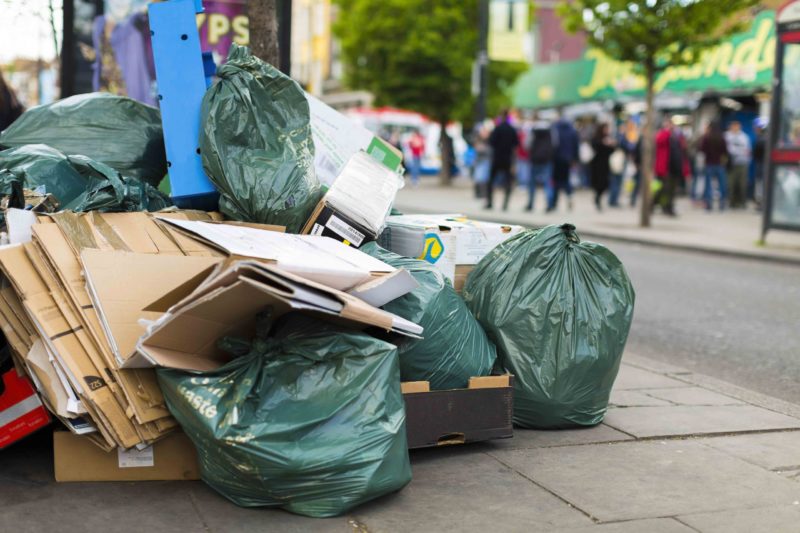
Food waste is a growing challenge for businesses across the hospitality, retail, catering, and food service industries. Every day, restaurants, cafés, supermarkets, hotels, and commercial kitchens deal with leftover ingredients, expired products, preparation scraps, and unused food items.
While some level of waste may be unavoidable, businesses can significantly reduce the amount they throw away through better planning, improved processes, and smarter resource management. Cutting food waste is not only an environmental responsibility but also a practical way to control costs, improve efficiency, and create a more sustainable operation.


Why Reducing Food Waste Matters
Food waste affects businesses in several ways. Beyond the obvious cost of discarded ingredients, wasted food also represents lost labour, energy, transportation, and resources used throughout the supply chain.
For businesses, reducing waste can lead to:
- Lower operating costs
- More efficient inventory management
- Improved sustainability performance
- Better use of staff time and resources
- A stronger reputation among environmentally conscious customers
Consumers are increasingly aware of how businesses handle sustainability. Companies that demonstrate responsible practices can build stronger relationships with customers and communities while improving their own operations.
Understanding Where Food Waste Comes From
Before businesses can reduce food waste, they need to understand where it occurs. Waste can happen at different stages of food handling, from purchasing ingredients to serving customers.
Preparation Waste
Commercial kitchens often produce waste during food preparation. Vegetable peelings, excess trimming, damaged produce, and unused ingredients can quickly accumulate.
Some preparation waste is unavoidable, but better planning can help reduce unnecessary losses. Staff training, improved cutting techniques, and creative use of ingredients can all contribute to lower waste levels.
Overproduction
Preparing more food than needed is one of the most common causes of waste in food businesses. This can happen when demand is difficult to predict or when production processes are not regularly reviewed.
Tracking sales patterns and customer preferences can help businesses prepare more accurate quantities and reduce excess food at the end of service.
Expired or Spoiled Products
Poor inventory management can lead to ingredients being forgotten or stored incorrectly. Products that pass their usable dates may need to be discarded, creating avoidable losses.
A more organised approach to stock rotation and storage can help businesses use ingredients before they become unsuitable.
Improving Inventory Management
One of the most effective ways to reduce food waste is to improve how products are purchased, stored, and monitored.
Use the First-In, First-Out Approach
The first-in, first-out (FIFO) method encourages businesses to use older stock before newer deliveries. This simple system helps prevent products from being overlooked and reduces unnecessary disposal.
Clear labelling and organised storage areas make it easier for employees to follow this approach consistently.
Monitor Stock Levels Regularly
Businesses should avoid purchasing more ingredients than they realistically need. Regular inventory checks provide valuable information about usage patterns and help identify items that are frequently wasted.
Technology can also assist with tracking inventory, forecasting demand, and identifying areas where improvements can be made.
Training Staff to Reduce Waste
Employees play an important role in preventing food waste. A successful waste reduction strategy requires everyone involved in food preparation and service to understand their responsibilities.
Create Clear Procedures
Simple guidelines can help employees make better decisions about food handling. Procedures may include:
- Proper storage methods
- Portion control standards
- Safe handling practices
- Waste tracking processes
- Donation or reuse guidelines
When expectations are clear, staff members are more likely to follow consistent practices.
Encourage Awareness
Workplace culture has a major influence on waste levels. Employees who understand the financial and environmental impact of wasted food are often more motivated to reduce unnecessary disposal.
Regular discussions, training sessions, and feedback can help keep waste reduction a priority.
Finding Better Uses for Surplus Food
Not all excess food needs to become waste. Businesses can explore alternative ways to use suitable surplus products.
Repurposing Ingredients
Creative menu planning can help businesses use ingredients more efficiently. For example, surplus vegetables may be incorporated into soups, sauces, or daily specials when appropriate.
Using ingredients across multiple menu items can reduce the likelihood of unused stock being discarded.
Donating Suitable Surplus Food
Some businesses choose to donate safe, unused food to community organisations. This approach can support local communities while preventing edible food from being wasted.
Businesses should follow relevant food safety requirements and guidelines when donating surplus items.
Managing Unavoidable Food Waste Responsibly
Even with strong prevention strategies, some food waste will still occur. Businesses need practical solutions for handling unavoidable waste in a responsible way.
Effective food waste disposal helps businesses manage organic waste properly while reducing the environmental impact of discarded food.
Depending on location and available services, options may include composting, commercial organic waste collection, or other processing methods designed to divert food waste from landfill.
Using Data to Improve Waste Reduction
Measuring food waste is one of the most effective ways to improve performance. Businesses cannot reduce waste effectively if they do not understand how much they are producing and where it comes from.
Tracking waste can reveal valuable insights, such as:
- Which ingredients are most frequently discarded
- Which processes create the most waste
- Whether portion sizes need adjustment
- How purchasing decisions can improve
Even simple tracking systems can help businesses make more informed decisions.
Creating a Long-Term Waste Reduction Plan
Reducing food waste is not a one-time project. It requires ongoing attention and regular improvements.
Businesses should review their processes regularly and look for new opportunities to improve efficiency. As customer demand, menus, and operations change, waste reduction strategies may need to evolve as well.
A long-term approach combines prevention, better planning, employee involvement, and responsible disposal methods.
Conclusion
Cutting food waste is both a practical business decision and an important step toward more sustainable operations. By improving inventory management, training employees, reducing overproduction, and finding responsible solutions for unavoidable waste, businesses can make meaningful improvements.
Every stage of the food process offers opportunities to reduce waste. With consistent effort and the right systems in place, businesses can lower costs, operate more efficiently, and contribute to a more sustainable future.