



















































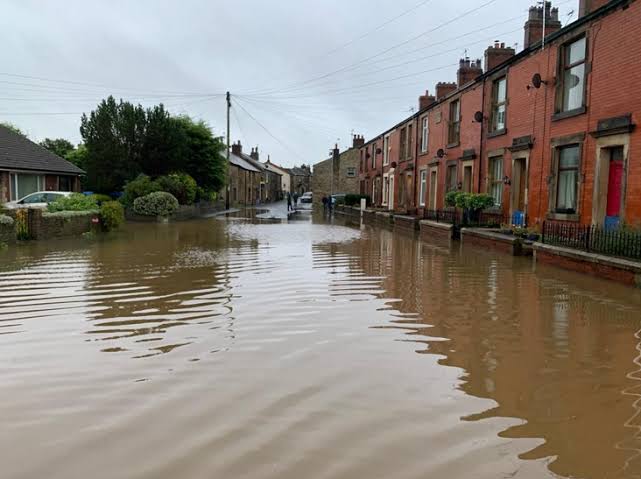
Flood preparation was once discussed mainly after a major event. Increasingly, householders are treating it as a normal part of winter planning, alongside boiler checks, gutter clearing and insurance reviews. This shift is practical rather than alarmist. A property cannot be made completely risk-free, but advance planning can reduce damage and make decisions easier when heavy rainfall is forecast.
Property flood resilience combines several measures. Some aim to reduce the amount of water entering, while others help a building recover more quickly if water does get inside. The right mix depends on the source, depth and likely route of flooding, so the first step is to understand the individual property.


Check risk from more than one source
River and coastal flooding are well known, but surface water can affect homes away from an obvious watercourse. Intense rain may overwhelm drains or flow downhill along roads and gardens. Groundwater and sewer-related problems create different patterns again.
Householders can review official flood-risk information for their area and note what has happened locally in the past. Maps are useful, although they cannot predict the exact effect on one doorway or garden. Observe slopes, drains, retaining walls and neighbouring land to understand where water might collect.
Map the low openings
Water usually enters through the easiest route. Doorways, airbricks, low vents, garage thresholds and gaps around pipes deserve attention. A simple sketch of the ground floor can identify these points and show which rooms or services would be affected first.
Purpose-designed flood barriers may form one part of a wider plan for suitable openings. No product should be treated as a guarantee. Installation, expected water depth, wall condition and the routes water may take around the protected point all need consideration.
Airbricks and ventilation openings require particular care because they serve an important purpose in normal conditions. Any protective measure should be appropriate for the building and used according to its design.
Keep ordinary drainage maintained
Gutters, downpipes and surface drains cannot prevent every flood, but poor maintenance can worsen local water problems. Clear leaves and silt, check that downpipes discharge as intended and report blocked public drains through the appropriate local route.
Gardens can also help manage ordinary rainfall. Permeable surfaces, healthy soil and sensible planting allow more water to soak in than fully paved areas. Sustainable drainage features should be designed with overflow routes in mind so they do not simply redirect water towards a neighbouring property or the house.
Prepare a household action plan
Decisions take longer under pressure. Write down who will monitor warnings, where protective equipment is stored and which items should be moved first. Include medication, important documents, pet supplies and contact details.
Know how to isolate electricity, gas and water, but only do so when it is safe and in line with supplier guidance. Never enter moving floodwater or take risks to retrieve property. Water may conceal open drains, debris or electrical hazards.
The plan should work when some household members are away. Instructions need to be simple enough for another responsible person to follow. Practising the sequence in dry weather can reveal missing tools or equipment.
Review insurance before it is needed
Householders should understand what their policy covers, the excess and the evidence an insurer may require. Keep policy details somewhere accessible away from the lowest part of the home and consider secure digital copies of important documents.
Photographs of rooms and valuable items can assist with records. After an incident, contact the insurer before disposing of damaged property unless immediate removal is necessary for safety. Requirements vary, so current policy wording matters.
Plan for recovery as well as resistance
Some measures are intended to help water stay out. Others reduce the time and cost of recovery. Raised electrical sockets, suitable floor finishes, protected services and materials that can be cleaned may be relevant when a property is renovated.
These changes should be planned with qualified professionals and current building requirements in mind. The goal is not to make a home feel industrial. Thoughtful design can improve resilience while preserving everyday comfort and appearance.
Inspect equipment and refresh the plan
Protective products need to be accessible, complete and in usable condition. Check seals, fixings and labelled components according to the manufacturer’s guidance. A barrier stored behind heavy furniture is unlikely to be deployed quickly.
Review the plan annually and after alterations to doors, paths, extensions or drainage. New occupants and changing mobility needs may also affect what is practical. Share relevant information with trusted neighbours where mutual help is appropriate.
Use warnings as a prompt, not a starting point
Official warnings provide valuable time, but preparation should happen before one is issued. When a warning arrives, the household should be moving through a known checklist rather than researching products and searching for documents.
Flood resilience is not about assuming the worst. It is about recognising a known property risk and making proportionate preparations. Measures that reduce water entry, protect important items and support safer recovery can all contribute.
By including flood planning in the normal winter routine, householders gain time and clarity. The weather remains outside their control, but the quality of their preparation does not.