



















































Every year a new group of UK savers looks at the rate on a cash account, looks at the price of the weekly shop, and decides it is time to try investing. The decision is reasonable. The way it is usually carried out is not. Most first-time investors open an app, read a confident headline about a company or an index, and buy the same afternoon. The questions that would have protected them take about five minutes to answer, and almost nobody asks them.
What is this money for, and when will I need it?


A deposit needed in eighteen months and a pension fund that will not be touched for twenty years are different problems. Shares can fall sharply and stay down for longer than a short plan can wait. If the money has a date attached to it, write the date down before looking at any market. It will rule out more bad ideas than any amount of research.
How much can I lose on one decision without changing my life?
Professionals rarely risk more than a small, fixed share of their capital on a single idea. Private investors often do the opposite and put the largest amount into the story they find most exciting. Deciding the maximum loss first, in pounds rather than in percentages, turns a feeling into a rule. A position-size calculator does the arithmetic in seconds, and the result is usually a smaller purchase than the one the saver had in mind.
Who says the price will rise, and how often have they been right?
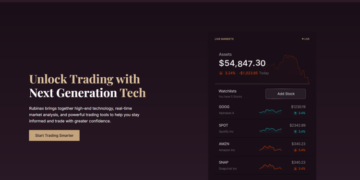
A forecast without a track record is an opinion. Before acting on any outlook, look for three things: the time frame it covers, how confident the publisher is, and how similar calls have turned out in the past. Some research platforms now show this openly. BeCoin, for example, publishes outlooks for stocks, indices and currencies across several time horizons and displays a signal-strength indicator next to each one, with the historical record kept per horizon. Whether a saver uses a service like that or a broker’s own research, the test is the same: if the source will not show how its earlier calls performed, treat the headline as entertainment.
Have I tried this without real money?
Paper trading means making the same decisions with pretend money and keeping an honest record of the results. It sounds like a toy and it is one of the most useful habits a beginner can build. A month of simulated decisions shows how often a person changes their mind, how they react to a falling price, and whether their plan survives a bad week. Those lessons cost nothing on paper and a great deal in a live account.
What will costs and inflation do to the result?
A return that looks healthy in a headline can shrink once platform fees, dealing charges and rising prices are taken off. Running the numbers through a compound-interest calculator, once with costs and once without, is a sobering exercise. It also makes clear why small, regular contributions over many years tend to matter more than a single clever purchase.
A slower start is a better start
None of these questions requires special knowledge. They require a pause between the idea and the purchase. Savers who write down their time frame, set a loss limit, check the record behind a forecast, practise on paper and account for costs will still make mistakes, but the mistakes will be small enough to learn from. That is the real difference between investing and guessing.
This article is general information and is not financial advice. The value of investments can go down as well as up.