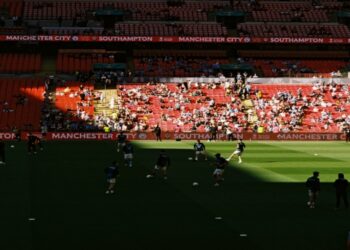













































Football is more than just a sport in the North West of England; it is a cultural phenomenon that drives a massive regional economic engine. While international supporters often track fixture schedules and matchday excitement through digital platforms like bizbet güncel, the physical presence of thousands of fans in cities like Liverpool and Manchester creates an immediate financial surge on the ground. A Premier League matchday is not merely ninety minutes of play on the pitch, but a powerful catalyst for local hospitality and retail sectors. As crowds descend upon these urban centers, the demand for food, drink, merchandise, and accommodation generates a tangible wave of commerce that sustains countless local enterprises throughout the year.
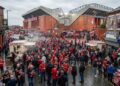
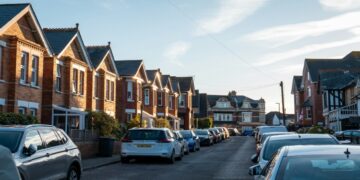
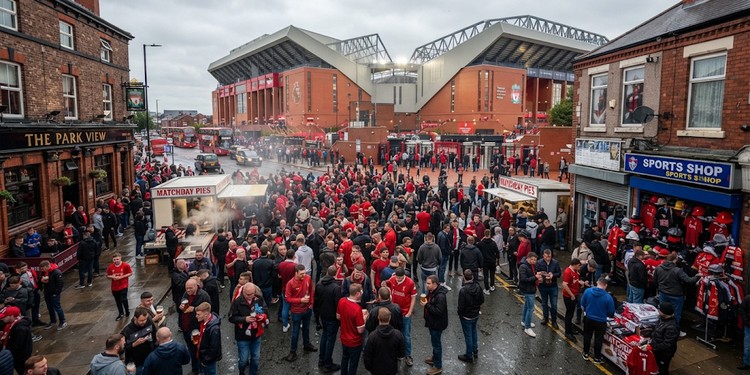
The economic impact of these matches begins early in the morning and often lasts long after the final whistle blows. As supporters flock toward the stadiums, they transform surrounding residential streets into vibrant hubs of commercial activity. Local pubs, cafes, and restaurants are usually the primary beneficiaries of this sudden influx. For many fans, pre-match rituals—discussing starting lineups over a pint or enjoying a hot meal near the ground—are just as integral to the experience as the game itself. This creates a predictable, yet substantial, spike in revenue for establishments located near iconic venues like Anfield, Old Trafford, and the Etihad Stadium. Business owners frequently report that a single weekend fixture generates takings equivalent to several regular weekdays combined, highlighting the crucial role these events play in their annual financial survival.


The Ripple Effect Beyond the Stadium
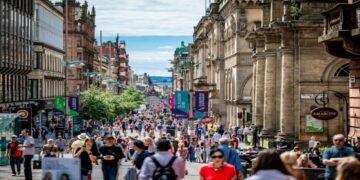
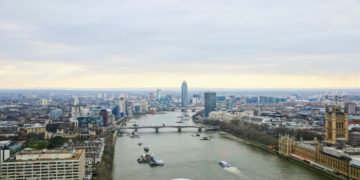
The financial benefits of top-flight football, however, are not strictly confined to the immediate vicinity of the stadium turnstiles. Broader city centers experience a powerful ripple effect as supporters utilize public transport, visit high-street shops, and explore local attractions before or after kickoff. Retailers, particularly those selling sports apparel, footwear, and souvenirs, see a marked increase in daily footfall. It is common to see both tourists and local residents donning team colors, with many purchasing scarves, replica shirts, or matchday programs as mementos of their trip.
Furthermore, the hospitality sector extends far beyond food and beverage outlets during busy match weekends. Traveling supporters who rely on mobile tools like bizbet apk download to follow live statistics while commuting across the country also drive high occupancy rates in hotels and short-stay accommodations across Manchester and Liverpool. Fans arriving from other parts of the UK, as well as international visitors flying into regional airports, require places to stay, eat, and socialize over two or three days. This influx generates vital revenue streams for hoteliers and supports widespread employment within the local service industry, ranging from front-of-house staff and chefs to housekeeping and logistics management.
Matchday Revenue as a Core Business Strategy
For many independent businesses in the North West, adapting operations to the Premier League calendar has become a vital survival strategy. Traditional pubs and modern taprooms often hire extra temporary staff specifically for weekends when local clubs are playing at home. Restaurants frequently introduce streamlined “matchday menus” designed to serve large volumes of hungry customers quickly and efficiently before kickoff. In an era where e-commerce is rapidly changing consumer habits, the physical, communal experience of a football matchday provides a reliable source of foot traffic that online competitors simply cannot replicate.
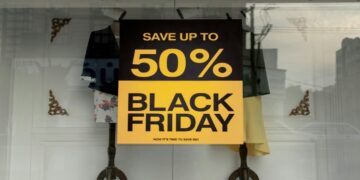
Local retailers also leverage this predictable surge in visitors by creating themed window displays and targeted promotions tailored to matchday crowds. The economic relationship between elite football clubs and the surrounding business community is deeply symbiotic. The clubs draw tens of thousands of people into the region, and the local businesses provide the essential infrastructure to entertain, feed, and cater to them. Without this robust neighborhood economy, the overall atmosphere and appeal of attending a live game would be significantly diminished.
Navigating Challenges and Future Growth
Despite the clear financial advantages, relying heavily on a matchday economy presents distinct operational challenges for local merchants. Small businesses can become overly dependent on these periodic spikes in revenue, leaving them financially vulnerable during international breaks or when fixtures are rescheduled for television broadcasts at inconvenient times. Additionally, managing the sheer volume of foot traffic requires close coordination between business owners, local councils, and public transport operators to ensure safety and smooth crowd flow.
Looking ahead, the bond between Premier League football and the North West economy remains remarkably strong. As global interest in English football continues to expand, even more domestic and international visitors will travel to experience the unique atmosphere of these historic footballing cities. By continuing to adapt their services and welcome fans, local hospitality and retail businesses will remain central to the vibrant culture and economic prosperity of the region.

David Prior
David Prior is the editor of Today News, responsible for the overall editorial strategy. He is an NCTJ-qualified journalist with over 20 years’ experience, and is also editor of the award-winning hyperlocal news title Altrincham Today. His LinkedIn profile is here.