


















































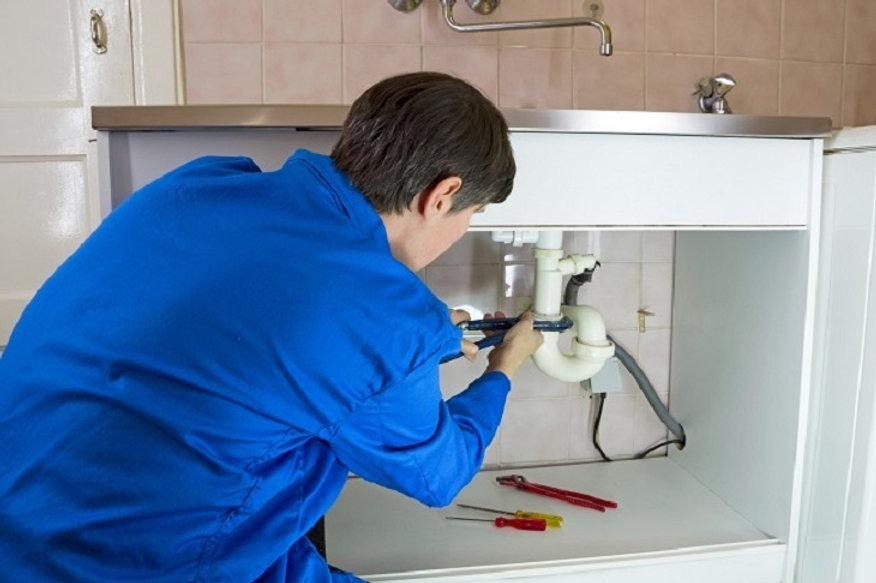
Blocked gutters can cause more than an unsightly buildup of leaves and debris. When rainwater cannot flow away from the roof properly, it may overflow into areas where it can create damp, flooding and drainage problems. If your property is already experiencing recurring issues, Blocked drain unblocking Nottingham services may be needed to restore normal water flow and identify what is causing the problem.
Gutters and downpipes are designed to collect rainwater from the roof and direct it towards a suitable drainage point. When leaves, moss, twigs and other debris build up inside the system, water can become trapped or diverted. UK building guidance recommends that gutters are designed with a fall towards outlets and that rainwater systems are arranged to reduce the risk of water overspilling onto buildings.


The connection between gutters and underground drainage is easy to overlook. A gutter may appear to be a simple feature attached to the edge of a roof, but the water it collects eventually has to go somewhere. Depending on the property, rainwater may flow into a gully, soakaway or drainage system. If that route becomes restricted, problems can develop around the property.
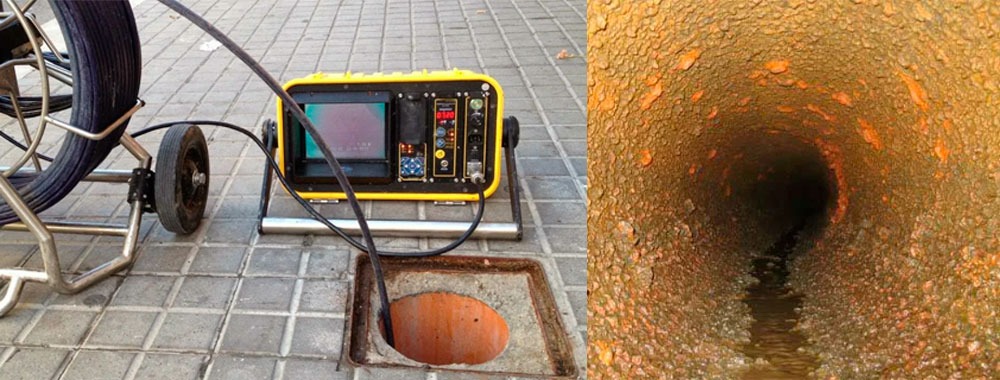
When drainage problems keep returning despite clearing visible debris, it can be useful to investigate what is happening underground. A CCTV drain survey Nottingham inspection can allow drainage professionals to examine internal pipework and look for blockages, cracks, displaced joints, root intrusion or other defects that cannot be identified from the surface.
Why Do Blocked Gutters Affect Drainage?
The main purpose of a gutter is to control the movement of rainwater.
During heavy rainfall, large amounts of water can collect on a roof and flow into the guttering. Under normal conditions, the gutter carries this water towards a downpipe, which then directs it towards a drainage point.
If the gutter or downpipe is blocked, that process is interrupted.
Instead of travelling through the intended route, water may overflow over the edge of the gutter, run down external walls or collect around the base of the property. In some cases, this can place additional pressure on the drainage system.
A local authority drainage service also lists blocked or dislodged guttering and downpipes among signs that a property may have a drainage problem.
1. Leaves and Debris Can Block the Flow of Rainwater
One of the most common causes of blocked gutters is the accumulation of natural debris.
Leaves, twigs, moss and other organic material can collect inside gutters, particularly during autumn. Over time, this material can form a dense layer that prevents water from reaching the downpipe.
The problem may not be obvious during dry weather. However, once heavy rain arrives, the restricted gutter can quickly fill with water.
A simple visual inspection can often reveal whether a gutter contains significant debris. Maintenance guidance from Highland Council recommends checking gutters for vegetation, staining, misalignment and debris, as well as checking gullies around the base of downpipes.
2. Overflowing Gutters Can Saturate External Walls
When water cannot travel through the gutter properly, it may overflow directly onto the building.
Repeated exposure to excess rainwater can cause staining and contribute to damp problems, particularly if there are already cracks, damaged pointing or other weaknesses in the external wall.
The Department for Communities in Northern Ireland specifically warns that blocked gutters and downpipes can cause water to overflow onto building façades and create damp problems.
For homeowners, this means that a blocked gutter should not always be treated as a minor cosmetic issue.
A damp patch inside the property may sometimes have an external source, so checking the guttering and rainwater system should form part of the investigation.
3. Blocked Downpipes Can Stop Water Reaching the Drain
Clearing the horizontal gutter is only part of the job.
A downpipe can also become blocked by leaves, moss and other debris. When this happens, water collected by the roof has nowhere to go.
The gutter may remain full even after rainfall has stopped, or water may begin escaping from joints and connections.
Some warning signs of a blocked downpipe include:
- Water overflowing from the gutter
- Water leaking from joints
- Damp staining around the downpipe
- Water pooling near the base of the property
- Visible debris around the outlet
- A gutter that remains full after rainfall
If the downpipe connects to an underground drain, the problem may extend beyond the visible pipe.
4. Blocked Gullies Can Cause Standing Water
Many properties have gullies at the bottom of downpipes or around paved areas.
These gullies help collect rainwater and direct it into the appropriate drainage system. However, leaves, soil, moss and other debris can build up around the grate or inside the gully.
When the gully becomes restricted, water may begin pooling around the property.
This can be particularly noticeable during heavy rainfall, when large volumes of water need to leave the roof and surrounding surfaces quickly.
Keeping gullies clear is therefore just as important as maintaining the gutters themselves.
5. Underground Drainage Can Become Restricted
Sometimes the visible gutter and downpipe are not the real source of the problem.
If rainwater is flowing out of the downpipe but not draining away properly, the restriction may be further underground.
Underground pipes can become affected by:
- Soil and debris
- Tree roots
- Silt
- Grease or other contamination
- Cracked pipes
- Displaced joints
- Collapsed sections
- Foreign objects
The exact cause can be difficult to establish without inspecting the pipe itself.
This is where a professional drainage investigation can be useful.
6. Tree Roots Can Enter Drainage Pipes
Tree roots naturally search for water, and underground drainage pipes can provide a source of moisture when small cracks or gaps are present.
Once roots enter a pipe, they can continue growing and create a restriction. They may also trap leaves, soil and other material passing through the drainage system.
The result can be a recurring drainage problem that appears to have no obvious cause.
If the same area repeatedly becomes blocked after cleaning, tree-root intrusion may be one possibility worth investigating.
A CCTV inspection can provide a clearer view of the inside of the pipe and help establish whether roots are affecting the drainage system.
7. Poor Drainage Can Lead to Water Pooling Around the Property
One of the most visible signs of a drainage problem is standing water.
If rainwater cannot move away from the property efficiently, it may collect around patios, driveways, paths or areas close to the building.
This can happen because of a blocked gutter, blocked gully, damaged downpipe or an underground drainage restriction.
It is important not to assume that every puddle is caused by a blocked drain. Ground levels, poor surface gradients and heavy rainfall can also influence how quickly water disappears.
However, persistent pooling in the same location should be investigated.
8. Poorly Maintained Drainage Can Increase Flooding Risk
A drainage system needs to cope with changing volumes of water.
During normal rainfall, a partially restricted system may appear to work adequately. During a period of intense rain, however, the same restriction can become a much bigger problem.
UK building guidance states that rainwater systems should be arranged so that excess rainfall can discharge clear of the building, reducing the risk of overspilling onto the property.
This is why maintaining gutters, downpipes and drainage points before periods of heavy rainfall can be worthwhile.
What Are the Warning Signs of a Gutter-Related Drainage Problem?
Homeowners should watch for several signs that the rainwater system may not be working correctly.
These include:
- Water overflowing from gutters
- Gutters remaining full after rainfall
- Slow-draining or overflowing gullies
- Water pooling around downpipes
- Damp or stained external walls
- Unpleasant smells near drainage points
- Repeated blockages
- Gurgling or unusual drainage noises
- Visible roots around drainage outlets
- Cracks or damage to drainage pipes
- Water backing up during heavy rain
Some of these signs can have several possible causes, so professional investigation may be necessary if the problem continues.
How Can You Prevent Gutter and Drainage Problems?
Prevention starts with regular maintenance.
Keep Gutters Clear
Remove leaves, moss and other debris before they build up enough to restrict water flow.
Properties surrounded by trees may need more frequent attention because leaves can accumulate quickly.
Check Downpipes
Make sure downpipes are securely connected and free from visible obstructions.
A blocked downpipe can cause the gutter above it to overflow even when the gutter itself is relatively clean.
Maintain Gullies
Keep grates and drainage points free from leaves, mud and other debris.
Where a gully repeatedly becomes blocked, it may be worth investigating whether there is a deeper drainage issue.
Check After Heavy Rain
Pay attention to how water behaves during or after rainfall.
If water consistently overflows from one section of guttering or pools around a particular drain, this could provide an early indication of a problem.
Deal With Small Defects Early
Loose gutter joints, cracked downpipes and damaged drainage covers may seem minor, but leaving them unrepaired can allow water to escape where it should not.
Addressing smaller defects early can help prevent them from becoming larger problems.
When Should You Consider a CCTV Drain Survey?
Not every blocked gutter requires a CCTV inspection.
If the problem is clearly caused by leaves or debris inside an accessible gutter, cleaning may be all that is required.
However, a CCTV drain survey can become useful when the visible problem does not explain the symptoms or when drainage issues continue after cleaning.
For example, an inspection may be worth considering when:
- The same drain keeps becoming blocked.
- Water continues to pool after the gutter has been cleaned.
- A downpipe appears clear but water is not draining away.
- Tree roots are suspected.
- There may be a cracked or collapsed underground pipe.
- A property has experienced repeated drainage problems.
- You are planning building work close to existing drainage.
- You need to understand the condition of older underground pipework.
A camera inspection can help identify the actual condition of the pipe before more disruptive work is considered.
Do Gutters and Drains Need to Be Maintained Separately?
They should be viewed as connected parts of the property’s rainwater management system, even though they require different types of maintenance.
Gutters and downpipes are above ground and can usually be visually inspected. Underground drains are more difficult to assess because much of the system is hidden.
UK guidance explains that gutters and gullies should be connected appropriately to rainwater drainage, while wastewater should be kept separate where separate systems are used.
This distinction is important because putting the wrong materials into rainwater or wastewater systems can contribute to blockages and environmental problems.
What Should You Do If Your Drain Keeps Blocking?
Start by looking for obvious causes.
Check whether the gutter is full of leaves, whether the downpipe is blocked or whether the gully is covered with debris. Removing an obvious obstruction may solve a simple problem.
However, if the same drainage issue returns, it is better to investigate the cause rather than repeatedly clearing the symptoms.
Persistent blockages can sometimes be associated with damaged pipework, root intrusion or restrictions further along the drainage system.
If the blockage affects only your property’s private drainage, responsibility may generally fall to the property owner, although responsibility can differ where shared drains or public sewers are involved.
Final Thoughts
Blocked gutters can have consequences that extend well beyond the roofline. When leaves, moss and debris restrict the flow of rainwater, water may overflow, collect around the property or enter drainage points that are already struggling to cope.
Maintaining gutters, downpipes and gullies is therefore an important part of protecting the wider drainage system. Regular cleaning, visual inspections and prompt repairs can help identify problems before they become more serious.
Where drainage problems keep returning despite basic maintenance, the issue may be underground. In these situations, a CCTV inspection can provide valuable information about the condition of the pipework and help identify the cause of recurring blockages.
The key is to treat repeated drainage problems as a warning rather than simply clearing them each time. Understanding where the water is coming from, where it should go and why that route has become restricted is often the first step towards finding a lasting solution.