














































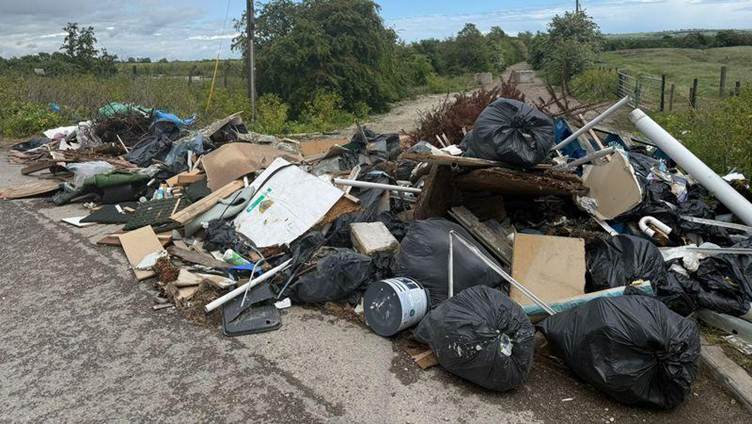
Fly-tipping and illegal waste dumping remain among the most persistent environmental challenges affecting communities across the United Kingdom. From quiet suburban lanes to busy inner-city residential roads, dumped mattresses, broken appliances, and piles of building rubble place an immense financial burden on local municipal budgets, costing taxpayers millions of pounds in cleanup operations annually.
In response, local councils and the UK Environment Agency have intensified enforcement efforts, raising fixed penalty notices and pursuing aggressive legal action against offenders. However, many residents remain unaware that property owners can be held legally accountable even if they did not personally dump the rubbish. Engaging trusted professional house clearance services has become a vital safeguard for homeowners looking to clear properties safely, responsibly, and in strict compliance with British law.


Understanding the Legal “Duty of Care” for Householders
Under Section 34 of the Environmental Protection Act, every UK homeowner holds a statutory “Duty of Care” regarding the management and disposal of their domestic waste. This legal obligation applies whenever someone hires a third party to remove items from their property—including unwanted furniture, garden cuttings, old carpets, or broken electronics.
If a resident pays an unlicensed operator who subsequently dumps the rubbish in a public layby or alleyway, enforcement officers will investigate the site. When council investigators trace correspondence, utility bills, or delivery labels back to the original address, the homeowner faces immediate financial liabilities. Ignorance is not a legal defense in court, and residents can receive fixed penalty fines running into hundreds of pounds or face substantial court prosecution.
Spotting the Warning Signs of Rogue Waste Operators
Unlicensed waste operators frequently advertise on social media platforms, classified message boards, and leaflet drops, offering cheap, cash-in-hand removal services. While these rock-bottom rates appear attractive, they inevitably lead to environmental damage and severe legal risks for the consumer.
To avoid falling victim to rogue traders, householders should watch out for several clear red flags:
- Cash-Only Demands: Reluctance to provide formal digital invoices, bank transfer facilities, or registered business contact details.
- Absence of Waste Carrier Licences: Inability to provide an Environment Agency registration number that can be independently verified on the public register.
- Unrealistically Cheap Quotations: Disposal fees at licensed commercial transfer stations are substantial; quotes that appear extraordinarily low indicate items will be dumped illegally.
- Refusal to Issue Waste Transfer Documentation: Lawful operators always provide transparent documentation confirming where the collected waste is being transported.
The Ecological Advantage: Reusing and Diverting From Landfills
A compliant property clearance does far more than satisfy legal requirements; it plays an indispensable role in promoting local circular economies and preserving regional environments. Rather than consigning an entire house load to regional landfills, ethical clearance providers carefully triage collected materials.
Working alongside established specialists like North London House Clearance ensures that reusable household furnishings, such as clean sofas, wardrobes, dining sets, and books, are separated and gifted to regional charities and community organisations. Furthermore, metals, raw timber, cardboard packaging, and electrical waste (WEEE) are routed to certified recycling plants for sustainable reprocessing, radically diminishing the volume of refuse entering UK landfill sites.
Practical Tips for a Stress-Free Property Clearance
Whether preparing a deceased estate for probate sale, clearing a rental property before incoming tenants arrive, or simply decluttering an attic, taking a systematic approach ensures a smooth experience:
- Verify the Carrier Licence: Always request the company’s Environment Agency registration number and check it against the national public database before booking.
- Separate Sentimental Possessions: Clearly isolate family heirlooms, legal paperwork, and cherished personal keepsakes before the clearance team arrives.
- Communicate Access Limitations: Inform the clearance crew about tight staircases, narrow access corridors, resident-only parking zones, or timed loading restrictions.
- Provide Visual Walkthroughs: Sending short smartphone video recordings or photographs helps the team allocate the correct van capacity and manpower upfront.
Safeguarding Your Property and the Community
Managing domestic clearances responsibly is both a legal necessity and an environmental duty. By steering clear of unlicensed informal operators and selecting fully insured, licensed clearance professionals, UK homeowners can declutter their properties efficiently while protecting their wallets and preserving their local communities.