



















































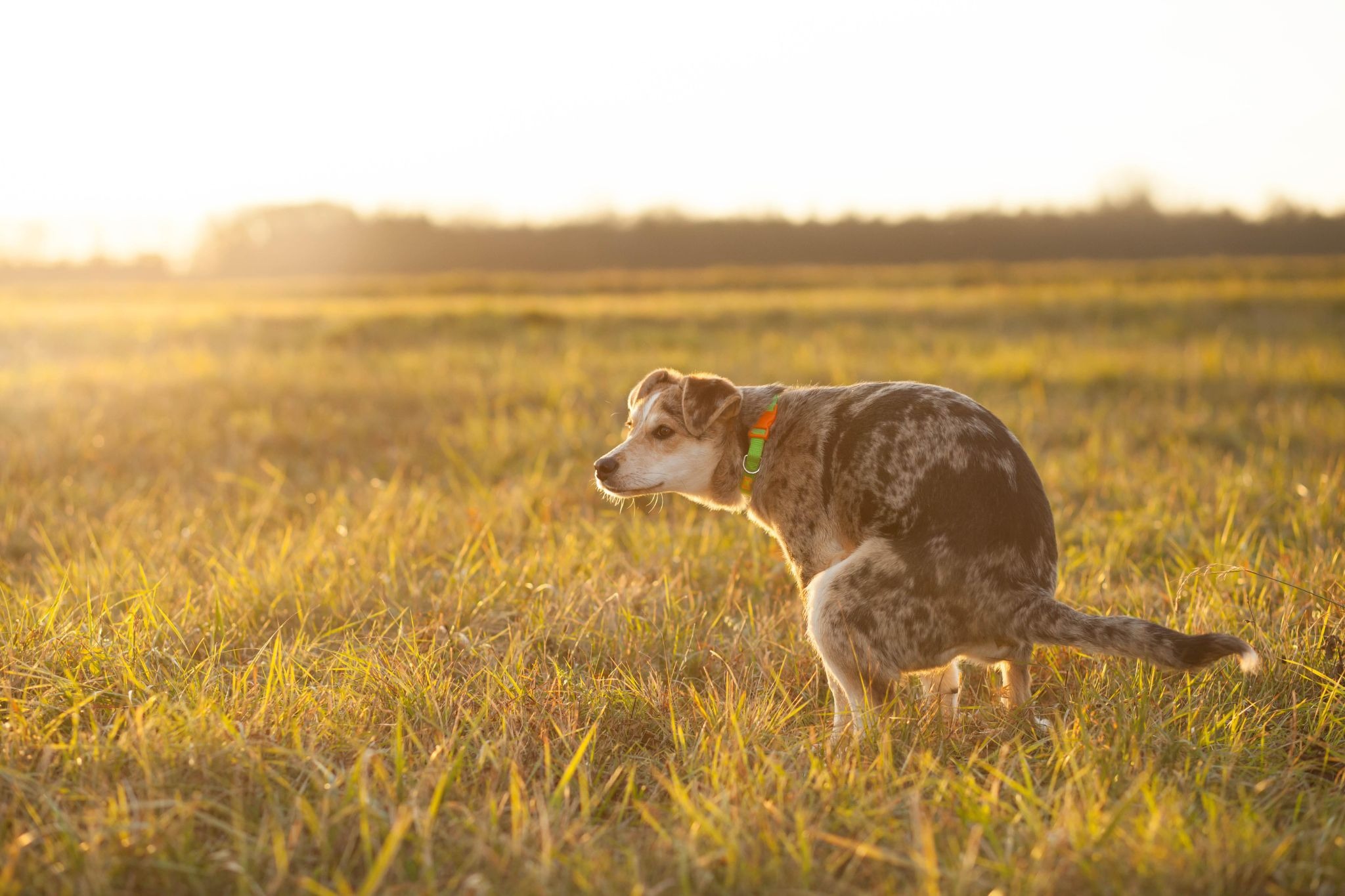
Scooping the poop during a walk is the easy part. Knowing what happens next is where most owners get stuck. Does it go in the general bin? Can it be composted? Is flushing actually against the rules, or just bad manners?
The confusion is understandable. Councils rarely explain it clearly, packaging claims are often vague, and the advice floating around online contradicts itself constantly. This guide clears all of that up, covering the law, your bin options, composting done properly, and what to do when you’re away from home with nowhere obvious to put a full bag.


Pick This Up Before You Read On
| Bag it and bin it in general waste, never food or garden recycling. UK law requires clean-up, with fines up to £100 on the spot and £1,000 for repeat offences. Flushing, burning poop bags are all illegal and unsafe, whatever the packaging claims. Home composting works only in a dedicated bin hitting 60°C for days, not a normal compost heap. Biodegradable and compostable aren’t the same |
Table of Contents
- What Are the UK Laws on Dog Poo Disposal?
- Which Bin Does Dog Poo Go In?
- Biodegradable or Compostable Poo Bags: What is the Difference?
- Can You Compost Dog Poop Bags?
- What’s the Best Bin for Dog Poo at Home?
- How Do You Dispose of Dog Poo Away From Home?
- How Do You Dispose of Dog Poo Without a Garden?
- Which Dog Poop Bags Are Best?
- What Not to Do During Dog Poo Disposal?
- FAQs
What Are the UK Rules & Fines for Dog Poo Disposal?
The Dogs (Fouling of Land) Act 1996 makes it a legal obligation to clean up after your dog in public spaces across England and Wales. Scotland and Northern Ireland have their own equivalent rules under separate legislation, though the practical requirement is the same everywhere: pick it up, every time, no exceptions for “he only went a little bit.”
Most local authorities back this up with a Public Space Protection Order, which often makes carrying poo bags a legal requirement even before your dog has done anything. Get caught without one and a warden can issue a fine on the spot, typically up to £100. Ignore repeated notices or end up in court over it and penalties can climb to £1,000 or more.
Which Bin Does Dog Poo Go In?
In nearly every UK council area, a bagged dog poo can go straight into any public litter bin, whether it’s labelled specifically for dog waste or not. There’s no need to hunt for a dedicated dog bin anymore. This changed years ago precisely because separate bins were confusing and often overflowing while ordinary litter bins sat half empty.
At home, the same waste goes into your general rubbish bin, not the food or garden recycling bin. Councils treat pet waste as residual waste because it can carry parasites and bacteria that composting facilities and green bin processing aren’t designed to handle safely. Putting it in with your recycling or garden waste risks contaminating the whole load, and some councils will refuse to empty a bin if they spot it.
So, if you’re unsure which category your council uses, a quick search of your council’s website under “pet waste” will confirm it. Rules occasionally differ at the margins, so it’s worth the thirty seconds if you’ve just moved somewhere new.
Biodegradable Dog Poop Bags vs Compostable: What Is the Difference?
These two words get used interchangeably on packaging. But they are not the same.
- Biodegradable means the material will eventually break down in the soil. But there is no guarantee how long that takes. In UK landfill, with low oxygen, it can remain for years and release methane as it slowly does.
- Compostable is a stricter standard. They are usually plant-based and certified to break down into safe organic matter under specific composting conditions.
Can You Compost Dog Poop Bags?
Composting dog waste is possible, but it has to be done properly. Dog poo can carry parasites such as Toxocara and bacteria like E. coli, and a standard garden compost heap won’t get hot enough to neutralise them.
A safe setup is as follows:
- Use a dedicated bin only for dog waste, kept away from any food-crop compost.
- Reach at least 60°C internally and hold that heat for several days.
- Mix in carbon-rich material like sawdust or dry leaves at roughly 2:1
Turn the pile regularly and make sure to keep it moist and let it cure for months before using.
Even fully composted, this only belongs on ornamental plants and landscaping, so never near anything you’ll eat.
Sounds like a lot?. It is. Which is exactly why most councils just ask for bagged waste in general rubbish instead.
How to Dispose of Dog Poo at Home in the UK
For owners with outdoor space who want to deal with waste on site without full composting, there are two main options worth knowing about when choosing the right bin for dog poo.
In-ground digesters work on the same principle as a small septic tank. Waste goes in, enzymes and added water break it down gradually underground, and there’s no bagging involved at all. They need a reasonably sized patch of soil and some patience while the system establishes itself, but once running, they need very little upkeep.
Standalone dog waste bins sit above ground and simply hold bagged waste securely until your regular collection day. They’re a good middle ground if a digester feels like too much setup, but you’d still rather not carry bags to the wheelie bin every single time.
Dedicated composting works if you can meet the heat and time rules above.
A pet waste wormery suits smaller gardens and owners who prefer a slower, low-maintenance approach.
None of these replaces bagging on walks. Public bins remain the correct destination away from home, and these options are purely a convenience for managing waste in your own garden.
Neither option is a licence to skip bagging on walks, since public bins remain the correct destination away from home. They’re purely a convenience for managing waste in your own garden.
Can You Put Dog Poo in a Wormery?
Yes, but only in a wormery built for pet waste. Composting worms can break down dog poo, which makes a pet waste wormery a good fit for owners who want something quieter and lower effort than a hot compost bin.
A few rules keep it safe:
- Use a wormery that only ever receives pet waste, and keep it completely separate from your kitchen scraps.
- Feed the worms dog waste alone, and add it in small amounts so the bin doesn’t get overloaded.
- Keep the wormery away from anywhere food is grown.
The finished compost can still carry parasites and bacteria that survive the worms, so never use it on edible crops. Flower beds, shrubs and other ornamental planting are the safe places for it.
How Do You Dispose of Dog Poo Away From Home?
Parks and public paths are covered by the litter bin rule already mentioned: any public bin will do, dog-specific or not.
Public transport is less straightforward. A sealed bag causes no issue on most buses and trains, but it’s worth carrying a spare bag for double-bagging if you’re travelling any distance, purely out of courtesy to other passengers.
Camping, hiking and anywhere off-grid leaves you with one reliable rule: bag it and carry it out with the rest of your rubbish unless a designated disposal point is provided on site. Burying waste on a trail, even well off the path, risks contaminating water sources further downstream than most people expect.
How Do You Dispose of Dog Poo Without a Garden?
Flats and properties without outdoor space are rarely covered in guides like this one, despite how common the situation is. If that’s you, the process is actually simpler than it looks. Every walk becomes the disposal opportunity rather than something to manage at home. Carry enough bags for the full walk, use whatever public bins you pass, and there’s no need for a garden bin, digester or composting setup at all. The one habit worth building is not letting a full bag sit in a kitchen bin for days before your next general waste collection, since heat and time make the smell considerably worse than it needs to be.
Which Dog Poop Bags Are Best?
The right dog poop bag comes down to one question: what happens to it after you tie the knot?
If you can compost dog waste properly, choose a certified compostable dog poop bag. Look for one that is 100% compostable and certified to break down fully, since some “eco” bags only fragment into smaller pieces.
If your bags go to general waste, the route still matters. Much of it is incinerated, and in many areas the heat from incineration is turned into electricity at waste-to-power plants. A compostable bag made from natural ingredients, with no fossil fuels involved, adds no fossil-based plastic to that process. That makes compostable bags the better choice whichever way your waste goes.
How to Dispose of Dog Poo Away From Home
Dog Poo Disposal on Walks and in Parks
Parks and public paths are covered by the litter bin rule above, so any public bin will do, dog-specific or not.
Public transport is less straightforward. A sealed bag causes no issue on most buses and trains, but carry a spare bag for double-bagging if you’re travelling any distance. Your fellow passengers will appreciate it.
Dog Poo Disposal While Hiking or Camping
Camping, hiking and anywhere off-grid come down to one reliable rule: bag it and carry it out with the rest of your rubbish, unless a designated disposal point is provided on site. Burying waste on a trail, even well off the path, risks contaminating water sources further downstream than most people expect.
What to Do When There Is No Bin Nearby
Tie the bag, keep it with you, and use the next bin you pass. A spare bag for double-bagging helps if the walk is long. If no bin turns up before you get home, your general rubbish bin is the answer. The bag stays with you until it reaches one of those.
What Not to Do With Dog Poo
A few shortcuts come up often enough that they’re worth ruling out clearly.
Can You Flush Dog Poo Down the Toilet?
No. Flushing isn’t permitted in the UK, even with bags marketed as flushable. Standard sewage treatment can’t filter out the parasites, and the bags usually cause blockages first anyway.
Can You Burn Dog Poo?
Not sensibly. Burning can count as a statutory nuisance under UK law, and neighbours can report the smoke and smell.
Can You Bury Dog Poo?
Burying it shallow lets waste leach into soil and groundwater. Burying it deep enough to avoid that, well beyond two feet, isn’t practical for most gardens.
Can You Leave Bagged Dog Waste Behind?
No. A tied bag on the ground, hanging from a tree or dropped over a hedge is still litter, and you can be fined for it. It also stays put for a long time, so a bagged poo can be worse for the area than an unbagged one. Take it to a bin or take it home.
Bag it right, bin it right, and if you’re composting or using a wormery, give it the heat, time and separation it needs. Get those basics sorted and the rest takes care of itself.
Dog Poo Disposal FAQs
Can I put dog poo in my food or garden waste recycling bin?
No. It belongs in general rubbish. Dog waste can carry pathogens that composting and recycling facilities aren’t equipped to process safely, and contamination can affect the entire collection.
Is it legal to leave dog poo if I’m just in my own garden?
There’s no direct fine for leaving it in your own private garden, but it should still be cleared regularly for hygiene reasons, particularly with children or other pets around.
Do compostable bags work in an ordinary kitchen caddy or food bin?
Often, yes. Some UK councils allow certified compostable bags in food waste bins, where they go through food waste composting. Check your local guidance first. If yours doesn’t accept them, general waste is the next route, and a compostable bag is still the better choice.
How long do dog poo bags take to break down in landfill?
Standard plastic bags can persist for decades. Even biodegradable versions can take years without the oxygen and heat needed to decompose, which is why the material used to make the bag matters more than the label on it. Compostable bags made from natural ingredients, with no fossil fuels involved, are built to break down fully in composting conditions and leave no fossil-based plastic behind, which makes them the better choice.
What should I do if my council doesn’t provide dog waste bins?
Use any general litter bin. UK councils have largely moved away from separate dog waste bins, and public litter bins are the accepted destination almost everywhere now.