




















































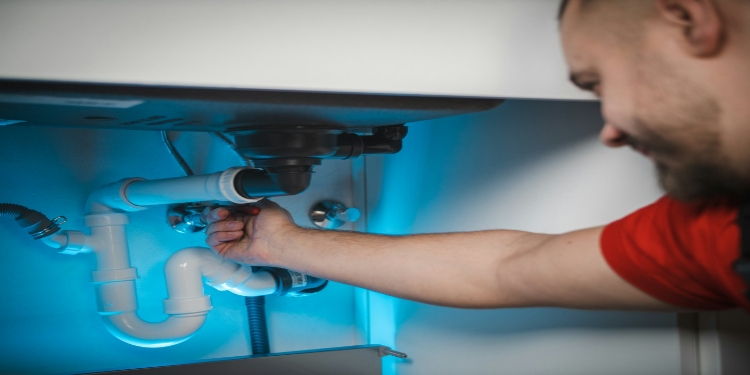
Most plumbers and heating engineers buy insurance once, renew it on autopilot and never think about it again until something goes wrong. That is understandable: the work is busy, the policy wording is long, and nothing seems to change from year to year. But the jobs change, the van changes, and sometimes a labourer or apprentice joins the team. The gaps that cause real trouble at claim time usually open up quietly in between.
Here are the ones that come up most often.


1. A public liability limit chosen years ago
Public liability insurance covers claims from third parties for injury or property damage caused by your work. The limit you picked when you started out may have been fine for small domestic jobs. It may not be fine now if you take on work for letting agents, housing associations, facilities firms or main contractors, many of whom ask for evidence of a minimum limit before you can start.
Finding out on the first day of a new contract that your certificate falls short is inconvenient. Finding out after a flood has damaged three flats below the one you were working in is far worse. It is worth checking your limit against the contracts you actually want, not the ones you had when you took the policy out.
2. Employers’ liability once someone else joins you
If you employ anyone, including an apprentice, a part-time labourer or a family member on the books, the Employers’ Liability (Compulsory Insurance) Act 1969 generally requires you to hold employers’ liability cover, with a minimum limit of £5 million. Many sole traders assume a casual helper does not count. Whether someone counts as an employee for insurance purposes depends on how they work for you, not what you call them, so it is worth asking the question before they start rather than after an injury.
3. The cost of putting your own work right
This one catches people out more than any other. Liability policies are usually written to cover the damage your work causes, such as a ceiling brought down by a failed joint. They typically exclude the cost of redoing the faulty work itself. So the ruined ceiling, flooring and furniture may be covered, while replacing the joint and the labour to do it is not. Knowing where that line sits in your policy helps you price jobs and manage risk sensibly.
4. Tools in the van overnight
Tool theft from vans is one of the most common losses in the trade, and tools cover is where policy conditions matter most. Many policies only respond to theft from a locked vehicle with signs of forced entry, and some add conditions about where the van is parked overnight or whether tools must be removed. If your van sits on the street outside your house every night, read the tools section closely. A claim that fails on a condition you did not know about is a painful way to learn the wording.
5. Design advice you do not charge for
If you design heating systems, size boilers or recommend a system layout, you may be giving professional advice as well as doing physical work. Public liability does not usually cover a claim that your design or advice was wrong and cost the customer money, for example a system that never heats the house properly. That is the territory of professional indemnity insurance. Not every plumber needs it, but anyone doing design work should at least know whether they are covered.
6. Materials and work in progress on site
On larger jobs, you may have expensive materials, a partly fitted system or hired equipment on site for days or weeks. Whether those are covered if they are stolen or damaged before handover depends on your policy, and sometimes on the contract. Contract works cover can fill the gap where it exists.
Making the annual review count
None of these gaps is unusual, and most can be closed once you know they exist. The simplest habit is to treat each renewal as a review: what work did I do this year, who worked with me, what do my contracts ask for, and where are my tools at night?
For a plain-English overview of the main covers and how they fit together, this guide to [insurance for plumbers and heating engineers](https://focusinsurance.co.uk/knowledge-centre/plumbers-insurance-guide) walks through public liability, employers’ liability, tools and professional indemnity in more detail. Whatever you choose, remember that cover always depends on the insurer’s terms, conditions, limits and exclusions, so the wording matters as much as the headline.
—
*This article is general information only and is not personal advice. Written by Focus Insurance Services, a trading name of Captios Limited, which is authorised and regulated by the Financial Conduct Authority (FRN 717691). Focus Insurance Services is a commercial insurance broker based in Peterborough.*

David Prior
David Prior is the editor of Today News, responsible for the overall editorial strategy. He is an NCTJ-qualified journalist with over 20 years’ experience, and is also editor of the award-winning hyperlocal news title Altrincham Today. His LinkedIn profile is here.