




















































Motorcycle customization has always been driven by individuality. Riders modify their motorcycles for many reasons: to create a more distinctive appearance, improve functionality, reduce weight, add protection, or simply make a factory-built machine feel more personal.
For decades, the possibilities available to riders were largely defined by traditional materials. Steel, aluminum, plastic, and fiberglass formed the foundation of both motorcycle manufacturing and the aftermarket industry. These materials continue to play an important role today, but advances in material science and manufacturing are creating new opportunities for motorcycle owners and customization brands.


Carbon fiber, advanced composites, lightweight alloys, and increasingly precise production technologies are changing the way motorcycle components are designed and manufactured. What was once limited to specialist racing machines and high-end engineering applications is becoming increasingly accessible to riders interested in premium customization.
The result is a shift in the way people think about modifying motorcycles. Customization is no longer only about changing colors, replacing an exhaust, or adding accessories. Advanced materials are allowing riders to combine visual design with lightweight construction, precision engineering, and model-specific fitment.
As technology continues to develop, the future of motorcycle customization is likely to become more sophisticated, more personalized, and increasingly influenced by the materials used to build every component.
From Cosmetic Upgrades to Material-Focused Customization
Motorcycle customization has traditionally been associated with visible changes. A rider might repaint the bodywork, add graphics, replace mirrors, or install aftermarket accessories to create a different look.
While visual customization remains extremely popular, modern riders have more choices than ever before. The material used to create a component has become an important part of the decision-making process.
A replacement panel, for example, can now offer more than a different finish. Depending on its design and construction, it may provide a combination of lightweight properties, durability, and a distinctive appearance.
This has changed the expectations of riders, particularly within the sport bike and superbike communities.
Instead of simply asking whether an aftermarket part looks good, many buyers now consider additional factors, including:
- What material is the component made from?
- How is it manufactured?
- Is it designed for a specific motorcycle model?
- How accurately will it fit?
- Does the part complement the motorcycle’s existing design?
- Is the material suitable for the intended use?
This growing attention to materials has helped move motorcycle customization beyond purely cosmetic modifications.
Why Lightweight Design Matters for Motorcycles
Weight has always been an important consideration in motorcycle design.
Unlike larger vehicles, motorcycles are relatively lightweight machines where changes to individual components can contribute to the overall character and feel of the bike. Manufacturers of performance motorcycles have spent decades exploring ways to reduce unnecessary weight while maintaining the strength and functionality required for different applications.
The aftermarket industry is now benefiting from many of the same principles.
However, lightweight construction is not simply about selecting the lightest possible material. Every motorcycle component has different requirements. A material that works well for one part may not be suitable for another.
Strength, stiffness, flexibility, heat resistance, surface finish, and manufacturing complexity can all influence material selection.
Advanced materials give manufacturers more options when designing components around these different requirements. Instead of relying on one material for every application, designers can select or develop materials based on the intended purpose of a specific component.
For riders, this creates more opportunities to customize a motorcycle with a greater understanding of what each upgrade brings to the overall build.
Carbon Fiber’s Growing Influence on Motorcycle Customization
Few materials have become as closely associated with high-performance design as carbon fiber.
Its distinctive woven appearance has made it instantly recognizable among motorcycle and automotive enthusiasts. Beyond its visual appeal, carbon fiber is valued in a range of industries because of the combination of properties that composite materials can offer when designed for specific applications.
In motorcycles, carbon fiber has become increasingly common in both original equipment and aftermarket components.
Fairings, fenders, tank covers, seat cowls, swingarm covers, and aerodynamic elements can all be produced using carbon fiber construction. This allows riders to introduce the material across different areas of a motorcycle while maintaining a consistent design language.
The visual appeal is an important part of its popularity.
A visible carbon weave immediately gives a motorcycle a more technical and performance-inspired appearance. It has strong associations with motorsport, aerospace, and high-end engineering, making it particularly attractive to owners of sport bikes and superbikes.
However, the appeal of carbon fiber is not limited to appearance.
Advanced composite construction can allow manufacturers to create complex shapes that closely follow the lines of a modern motorcycle. This is particularly useful for motorcycles with aggressive bodywork and tightly integrated components.
As a result, riders can now choose from a much wider range of carbon fiber upgrades designed for specific motorcycle models.
Advanced Composites Are Expanding What Can Be Designed
Carbon fiber is one of the most recognizable advanced materials used in motorcycle customization, but it represents part of a much wider development in composite technology.
Composite materials combine different elements to achieve characteristics that may not be available from a single material. This approach provides designers with greater flexibility when developing complex components.
Traditional manufacturing often involves cutting, shaping, or machining a material into its final form. Composite manufacturing can take a different approach, allowing material layers and structures to be formed around specific shapes.
For motorcycle customization, this can be particularly valuable.
Modern motorcycles are designed with increasingly complex surfaces. Sport bikes feature sharp body lines, integrated air channels, aerodynamic elements, and tightly packaged mechanical systems. An aftermarket component must often follow these existing shapes closely to create a clean and cohesive appearance.
Advanced composites make it possible to develop parts that complement those factory lines while introducing an entirely different material and finish.
This can be seen across many different types of components, from small protective pieces to larger body panels.
For example, riders looking to create a more performance-focused BMW build may consider components such as Carbon Fiber Winglets For BMW S1000RR. Aerodynamic elements have become an increasingly visible part of modern superbike design, and advanced materials allow manufacturers to create components with shapes that complement the aggressive styling of high-performance motorcycles.
The same principle applies to smaller components. A custom build does not always require a complete transformation. Carefully selected material upgrades can change the appearance of individual areas while maintaining the motorcycle’s original identity.
Manufacturing Technology Is Changing the Aftermarket
Advanced materials would have a more limited impact without improvements in manufacturing technology.
Modern design and production processes are giving aftermarket manufacturers more tools to create increasingly precise components.
Computer-aided design allows parts to be developed digitally before entering production. Designers can work with detailed measurements and shapes to create components intended for specific motorcycle models.
This is especially important in the aftermarket industry.
A component may look impressive in product photographs, but accurate fitment is one of the most important factors for motorcycle owners. Incorrect mounting points, inconsistent dimensions, or poorly matched contours can affect both the appearance and installation of an aftermarket upgrade.
Digital design tools help manufacturers work towards more precise results.
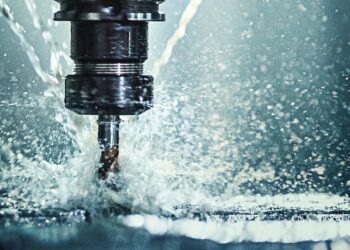
Modern production technologies can also improve consistency. Precision machining, automated equipment, and specialized manufacturing processes allow companies to develop components with increasingly complex shapes and detailed finishes.
The combination of advanced materials and improved manufacturing is helping change the standard for premium motorcycle customization.
Riders are no longer limited to generic components designed to fit a wide range of motorcycles. There is growing demand for parts developed around specific makes, models, and production years.
Model-Specific Customization Is Becoming More Important
One of the biggest changes in the motorcycle aftermarket is the move towards model-specific components.
Modern motorcycles often have highly distinctive designs. A part designed for one generation may not fit another, even if the motorcycles share the same name.
As a result, manufacturers are increasingly developing components around specific models.
This approach is particularly important when working with bodywork and visible exterior components. A tank cover, for example, must follow the original contours of the motorcycle to create a clean, finished appearance.
For riders who want to customize a middleweight sport bike while preserving its factory styling, a component such as a Carbon Fiber Front Gas Tank Cover For Aprilia RS660 represents the growing trend towards model-focused aftermarket design.
The value of this approach goes beyond appearance.
Model-specific development allows manufacturers to focus on the relationship between a component and the rest of the motorcycle. Mounting locations, surface contours, and surrounding bodywork can all influence the final design.
As digital measurement and manufacturing technologies continue to improve, this level of precision is likely to become even more common across the aftermarket industry.
The Rise of Functional Customization
Another important trend is the growing overlap between aesthetics and functionality.
In the past, customization was often divided into two categories. Some upgrades were primarily visual, while others were focused on performance or protection.
Advanced materials are helping blur the distinction.
A component can now contribute to the visual identity of a motorcycle while also serving a practical purpose. A lightweight cover can transform the appearance of a section of the bike while replacing an existing component. A carefully designed aerodynamic element can become part of the motorcycle’s visual identity.
This is leading to a more thoughtful approach to customization.
Rather than adding unrelated accessories, riders can now develop an entire build around a particular material, finish, or design concept.
Carbon fiber is particularly suited to this approach because it can be used across a wide range of components.
A rider may begin with one visible upgrade and gradually create a more cohesive design through additional panels, covers, or aerodynamic elements.
For owners of high-performance machines, this can extend to areas such as the swingarm and frame. Components such as a Carbon Fiber Swingarm Cover For the Aprilia RSV4 show how advanced materials can be incorporated into areas beyond traditional fairings and exterior body panels.
The result is a more integrated form of motorcycle customization.
Digital Design Is Making Personalization More Accessible
Digital technology is also changing how customized components are developed.
Advanced 3D modelling allows designers to experiment with shapes and finishes before physical production begins. This can make the development process more efficient while creating greater opportunities for design experimentation.
As these technologies become more accessible, the gap between mass-produced components and highly specialized custom parts may begin to narrow.
Riders could eventually have access to a broader range of finishes, weave patterns, and design options without requiring completely bespoke manufacturing.
This could be particularly important for premium motorcycle owners who want something more distinctive than standard aftermarket products.
Personalization may increasingly involve choosing from different material finishes rather than simply changing the color of a component.
Gloss and matte finishes, different weave patterns, and colored composite materials could give riders more ways to develop a unique visual identity for their motorcycles.
The future may therefore involve greater flexibility without requiring every component to be produced as a one-off custom piece.
Advanced Materials Are Redefining Premium Quality
The definition of a premium motorcycle upgrade is also changing.
In the past, price or brand reputation may have been the main factors associated with a high-end product. Today, riders have access to more information and are increasingly interested in how products are designed and manufactured.
Material selection is becoming part of that conversation.
However, simply using an advanced material does not automatically make a product high quality.
A well-designed component depends on several factors working together, including:
- Material selection
- Manufacturing processes
- Product design
- Surface quality
- Fitment accuracy
- Durability
- Intended application
A poorly designed component will not become a premium product simply because carbon fiber is used in its construction.
The future of high-end motorcycle customization will therefore depend on the relationship between material science and manufacturing quality.
Brands that understand how advanced materials should be designed, processed, and integrated into specific applications are likely to have a stronger position as riders become more knowledgeable about what they are buying.
The Role of eCommerce in the Future of Customization
The growth of online shopping is another factor transforming the motorcycle aftermarket.
In the past, riders often depended on local workshops, dealerships, or specialist stores to find custom components. Today, eCommerce has made it possible for motorcycle owners to explore products designed for specific models from brands around the world.
This increased accessibility is helping expand the market for advanced materials.
A rider researching a particular motorcycle model can now compare different materials, finishes, and component designs before making a purchase.
Product information has also become increasingly important.
Clear compatibility details, production specifications, and accurate images can help riders understand whether a component is suitable for their motorcycle.
As eCommerce continues to evolve, the relationship between digital product discovery and motorcycle customization is likely to become even stronger.
Riders are increasingly researching builds online, watching installation videos, comparing materials, and following custom motorcycle projects through social media before deciding which upgrades to purchase.
Sustainability Will Become Part of the Materials Conversation
As the use of advanced materials increases, questions around sustainability are also likely to become more important.
The environmental impact of materials is becoming a major consideration across manufacturing industries, and the motorcycle aftermarket will be part of that broader discussion.
Lightweight construction can offer potential advantages in certain applications, but sustainability involves more than simply reducing weight.
Manufacturing processes, energy use, product lifespan, repairability, and end-of-life recycling all contribute to the overall environmental conversation.
Composite materials, including carbon fiber, present particular challenges when it comes to recycling and reuse. As technology develops, manufacturers and researchers are exploring different approaches to recovering and reusing composite materials.
For the motorcycle aftermarket, durability may also become an increasingly important consideration.
A well-made component designed for long-term use represents a different approach from low-cost products that may require frequent replacement.
In the future, riders may pay greater attention not only to what a part is made from but also to how it was manufactured and how long it is designed to last.
What Does the Future of Motorcycle Customization Look Like?
The future is unlikely to be defined by a single material.
Instead, motorcycle customization will probably continue to evolve through a combination of advanced composites, lightweight metals, improved polymers, and new manufacturing technologies.
Carbon fiber is likely to remain an important part of premium and performance-focused customization. Its distinctive appearance and versatility have already made it a popular choice among sport bike and superbike owners.
At the same time, digital design and precision manufacturing will continue to improve the way aftermarket components are developed.
Riders may benefit from:
- More model-specific components
- Greater choice of materials and finishes
- Improved fitment accuracy
- More sophisticated aerodynamic designs
- Increased opportunities for personalization
- Wider access to premium aftermarket products
- More detailed product information when shopping online
The relationship between factory design and aftermarket innovation may also continue to change.
Motorcycle manufacturers are already using advanced materials and increasingly complex design processes in modern high-performance models. As these technologies become more accessible, the aftermarket industry will continue adapting them for riders who want to personalize their motorcycles.
Customization Is Becoming Both More Personal and More Technical
Motorcycle customization has always been about individuality, and that is unlikely to change.
What is changing is the technology available to riders.
Advanced materials are making it possible to think beyond simple cosmetic modifications. Riders can increasingly choose components based on a combination of appearance, material, design, and intended application.
A customized motorcycle can retain its original character while gaining a more distinctive visual identity through carefully selected components.
Traditional materials will continue to play an essential role in motorcycle manufacturing and customization. Steel, aluminum, and plastics all offer important advantages depending on the application.
However, advanced materials are expanding the possibilities.
Carbon fiber, composite technology, digital design, and precision manufacturing are giving both manufacturers and riders more freedom to explore what motorcycle customization can become.
The future will not simply be about adding more accessories to a motorcycle. It will be about making smarter choices about materials, design, and technology.
As these developments continue, motorcycle customization is likely to become more precise, more personalized, and more closely connected to the engineering principles that shape the motorcycles themselves.
For riders, that means the ability to create a machine that is not only different in appearance but also one that reflects a more considered approach to design.
And that may be the biggest change of all: the future of motorcycle customization is no longer just about changing how a motorcycle looks. It is increasingly about understanding how materials and technology can help redefine the entire machine.