



















































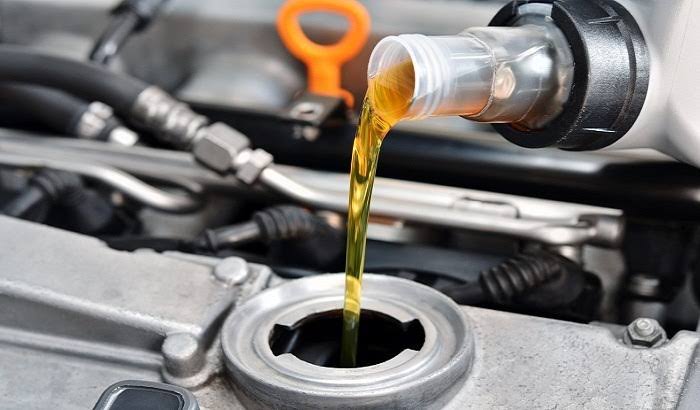
Choosing the oil for your car can be tricky. There are many choices out there; it’s hard to know which one your engine actually needs. Using the wrong product can affect performance and could cause expensive problems with the engine later. So what do you need to check before you decide?
Engine oil is essential for maintaining the protection and smooth operation of your car’s engine. This guide will talk about the things to think about when choosing the right oil for different engines. You can also check out Fubex engine lubricants, for products that fit engine requirements. When you are picking vehicle lubricants like brake fluid and grease the same basic approach can work well.


Key Takeaways
- The right lubricant reduces friction and protects engine parts.
- Different engines and driving conditions need different lubricants.
- Check the manual for the recommended SAE grade and API rating.
- Synthetic oil and semi-synthetic oil and mineral oil each have their advantages.
- Follow the oil change intervals to keep things working and to make the engine last longer.
What is a Lubrication System?
A lubrication system is a group of parts and processes that delivers oil or grease to the moving parts of an engine or machine. Its main job is to reduce friction between metal surfaces, prevent wear, and keep the machine running smoothly.
A lubrication system also offers important advantages:
- Heat Dissipation: Lubricant takes in heat that comes from friction and helps move that heat away.
- Sealing: In situations lubricant helps seal engine cylinders and keeps compression strong.
- Cleaning: It moves dirt burned materials and small metal pieces to the oil filter.
- Corrosion Protection: It forms a layer that protects metal surfaces from water and air.
Different machines need lubrication systems depending on how they are built, the conditions they work in and what they need specifically.
Single-Grade vs. Multi-Grade Engine Oils
Engine oils are mainly available in single-grade and multi-grade types. The main difference is how they perform at different temperatures. Multi-grade oils are highly effective in protecting your engine in hot or very cold conditions.
Single Grade Oils:
Single-grade oils have only one viscosity therefore they don’t operate well when the temperature changes. They are designed for very hot or very cold conditions but they don’t perform well when the temperature is not extreme.
Multi-Grade Engine Oils:
Multi-grade oils (e.g., 10W-30, 5W-40) are excellent for cold areas as well as hot. Multi-Grade Engine Oils 10W-30, 5W-40 Multi-grade oils are good for hot and cold weather situations. When the engine is cold, they flow well and when the engine is heated, they still give appropriate protection.
Common Engine Oil Types: Exploring the Options
Engine oil is not the same for every car. Different oils are made for engines the way you drive and how much protection you need. Here are the common types:
- Conventional Oil: This oil is made from regular crude oil. It is a choice and does not cost a lot for many cars.
- Synthetic Oil: This oil is made from base oils. It works well in hot and very cold temperatures and it really helps protect the engine from wear.
- Synthetic Blend Oil: This oil is a mix of synthetic oils. You get some of the things about synthetic oil without having to pay the full price.
- High-Mileage Oil: This oil is for cars, usually the ones that have been driven more than 75,000 miles. It has additives that help protect the parts of the engine and make it last longer. Engine oil like High-Mileage Oil is important for cars and aging seals.
What Do Engine Oil Numbers Mean?
Engine oil numbers, like 5W-30 or 10W-40 tell how the oil moves at temperatures.
- First Number: The number that comes before the ‘‘W’’ shows how the oil moves in temperatures.
- “W”: The “W” stands for winter and shows how the oil performs at low temperatures.
- Second Number: This number shows how thick the oil remains when the engine is hot. A higher number means thicker oil at high temperatures.
For example, 5W-30 flows well when the engine is cold and provides proper protection when the engine gets hot.
How to Choose the Right Engine Lubricant
Picking the engine oil can feel confusing because there are so many options available. The best place to begin is by checking your owners manual. It helps you to decide what kind of oil your engine needs and avoid products that may not be a good fit.
Remember a few crucial points before making a purchase:
- Refer to your owner’s handbook for the manufacturer’s suggested oil quality, viscosity and performance levels.
- Check the standards Check that the oil meets API, ACEA, ILSAC, or OEM requirements.
- How you Drive: Think about how you drive if you regularly stop and go drive in traffic, take short excursions or go on lengthy journeys; these things can affect what sort of oil your engine needs.
- Choose a Good Grade Oil: Don’t use cheap items that may not be able to effectively protect your engine.
Not every time you need the most expensive oil. What matters is pick one that fits your engine’s needs and the conditions you drive in.
Choosing Lubricant Based on Engine Type
Not every engine needs the same type of oil. You’ll usually come across three main options: synthetic, semi-synthetic, and mineral oil. The right one depends on your engine, how you drive, the weather, and what the manufacturer recommends.
Synthetic Oils
Synthetic oils are made to handle both very cold and very hot conditions. They flow well when the engine is cold and continue to protect engine parts as the temperature rises. That’s why they are commonly used in many newer vehicles.
Semi-Synthetic Oils
Semi-synthetic oils, also known as synthetic blends, mix synthetic and mineral oils. They can give your engine better protection than mineral oil without the higher price of fully synthetic oil.
Mineral Oils
Mineral oils are made from refined crude oil and are often used in older vehicles. They provide basic lubrication and engine protection, but they may not perform as well as synthetic oils when temperatures change.
When Should You Change Your Engine Oil?
The best time to change your engine oil is based on the schedule that your vehicle manufacturer recommends. However there are some signs that might show your oil needs to be changed earlier than scheduled:
- Oil Or Check Engine Light: If a warning light appears check the oil level. Get the vehicle looked at if necessary.
- Unusual Engine Noise: If the oil is low or not good anymore it can stop protecting the moving parts of the engine, which can cause noise or knocking sounds.
- Dark Or Dirty Oil: Engine oil gets darker over time because it picks up dirt and small particles. Check the oil with the dipstick often. Follow what your manufacturer says.
- Oil Smell Or Smoke: If you smell oil inside the car or see smoke coming from the exhaust it could mean there is an oil leak or another problem with the engine that needs to be checked.
- Heavy Vehicle Use: Frequent short journeys, heavy traffic, long-distance driving, and other demanding situations may necessitate more frequent oil changes.
Follow the oil change schedule in the owner’s handbook, not a mileage or time. Regular oil changes assist maintain adequate lubrication, decrease engine wear and tear, and improve engine performance over time.
Final Takeaways
To keep your engine running smoothly and make it last longer you need to pick the oil. You should always look at your car’s manual to see what kind of oil is recommended. Check the viscosity and the API quality rating. Then choose an engine oil that is at least as good as what the manufacturer says it should be. Changing your oil on a regular basis is also important. This helps your engine run well, protects the parts inside and makes your engine last longer.
For the right lubrication solution, explore products from a Fubex lubricant and grease manufacturer that match your engine’s needs.
FAQs
Q1: Can I mix different engine oil grades?
Do not mix engine oils of various SAE viscosity grades or API performance levels. If you mix them the lubrication may be affected and the protection of the engine lowered.
Q2: Which lubricant is best for engines?
Full-synthetic motor oil protects well at high and low temperatures. Always use the viscosity grade recommended by your car manufacturer.