


















































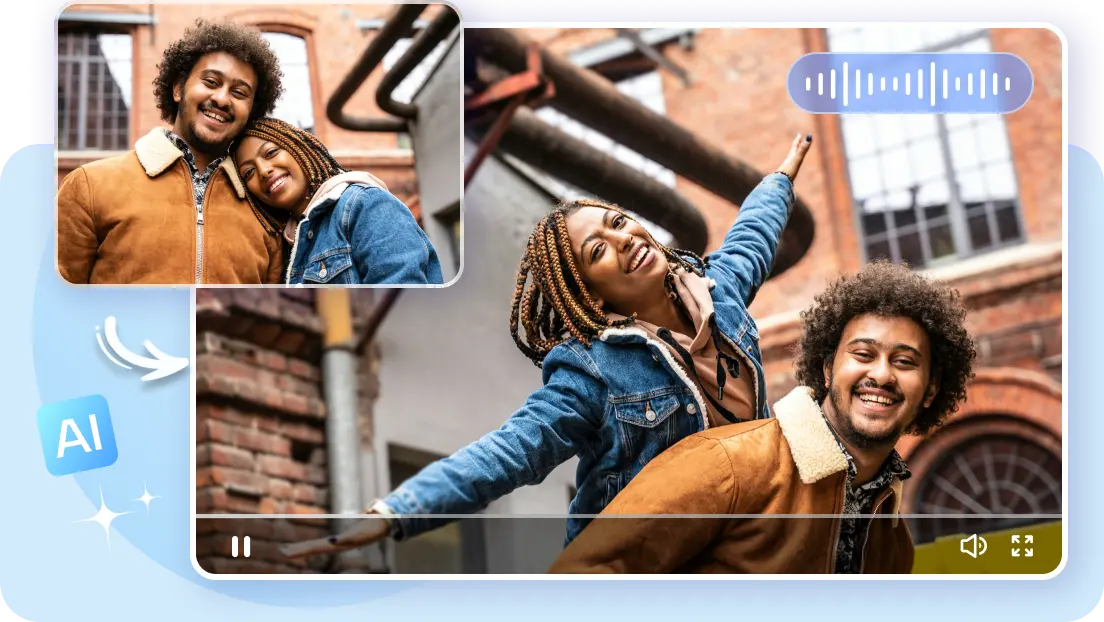
The rapid evolution of artificial intelligence in visual media has dramatically reshaped how digital content is produced across industries. Modern generative architectures are no longer limited to generating static images; they can now render complex, fluid, and detailed video sequences with realistic motion dynamics. Among the leading advancements in this rapidly growing landscape, the Seedance model framework represents a major milestone in AI-driven video production.
This comprehensive guide breaks down the core functions, technical improvements, and practical applications of Seedance 2.0 and Seedance 2.5, helping creators, digital artists, and marketing agencies choose the right solution for their creative workflows.


The Rise of AI Video Generation
Generative video systems work by processing visual layers, predicting movement across consecutive frames, and interpreting descriptive text prompts. Early video generation tools frequently suffered from frame degradation, sudden visual distortions, and inconsistent character rendering. Over time, advanced diffusion techniques have minimized these issues, making synthetic video generation a practical solution for commercial design and digital storytelling.
As demand for high-quality visuals increases, models must deliver more than just recognizable shapes. Modern workflows require precise control over lighting transitions, camera tracks, object interactions, and natural physics. Both model versions address these demands, though each serves distinct production needs.
Exploring Seedance 2.0: The Solid Foundation
When Seedance 2.0 entered the digital landscape, it established a strong benchmark for stability and spatial consistency in prompt-to-video generation. Earlier systems often struggled with flickering frames and unpredictable morphing, making long video clips difficult to execute. Seedance 2.0 addressed these core challenges by refining temporal attention mechanisms across consecutive frame sequences.
Key Capabilities of Seedance 2.0
- Frame-to-Frame Stability: Maintains consistent character details, environment colors, and background structures throughout short video generations without significant distortion.
- Controlled Camera Movement: Enables clean camera pans, zooms, and steady tracking shots using standard descriptive inputs.
- Dual Input Processing: Accommodates both text descriptions and static reference images to guide movement and subject continuity.
- Efficient Output Generation: Produces clean standard-definition and high-definition visual assets ideal for rapid draft iteration, content testing, and social media media formats.
By providing a reliable system for basic visual generation, this version made generative video accessible for casual creators, social content managers, and visual researchers looking to test prompt concepts quickly.
Unpacking Seedance 2.5: The Next-Generation Upgrade
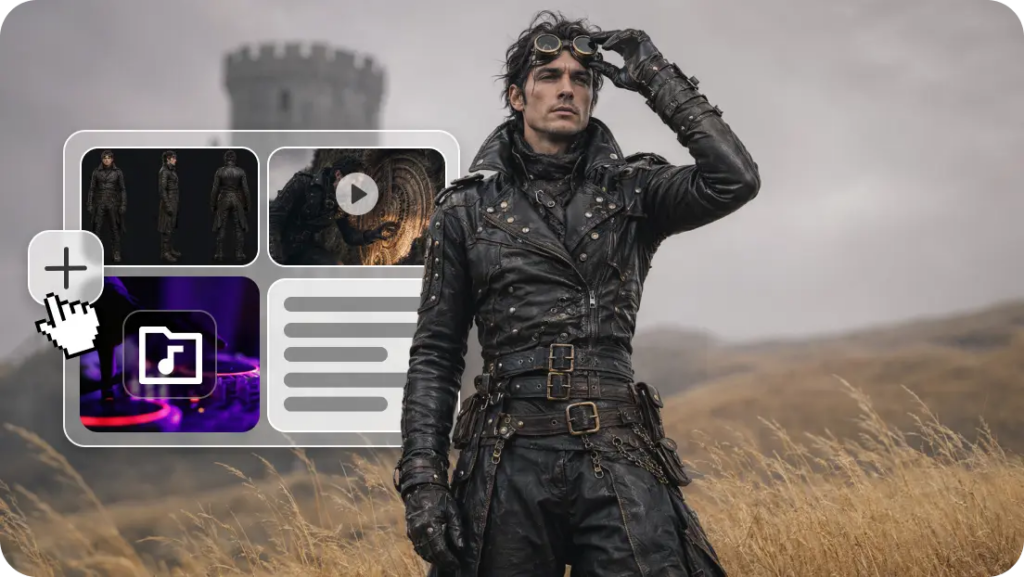
While the initial iteration solved fundamental temporal stability issues, Seedance 2.5 was developed to push physical realism, rendering efficiency, and prompt comprehension to much higher standards. Visual production environments often demand subtle details, such as complex human dynamics, light reflections, fluid motion, and multi-subject interaction. The upgraded architecture was specifically engineered to overcome these technical hurdles.
Significant Advancements in Seedance 2.5
- Enhanced Physics Simulation: Delivers highly natural movement patterns, accurately rendering flowing cloth, splashing liquid, smoke dispersion, and subtle facial expressions.
- Multi-Layered Prompt Control: Correctly interprets complex text inputs containing simultaneous background actions, lighting shifts, and foreground subject movements.
- Optimized Latent Processing: Accelerates total generation speeds, significantly shortening render wait times compared to the earlier platform generation.
- Improved High-Frame-Rate Output: Supports smoother motion transitions with advanced frame interpolation, preserving fine visual textures during fast-moving sequences.
Through these upgrades, the updated iteration gives visual designers greater creative freedom, allowing them to turn intricate visual storyboards into polished cinematic assets with fewer generation attempts.
Practical Differences and Functional Performance
Choosing between these two models comes down to assessing your project requirements, rendering resources, and quality standards.
Motion Realism and Dynamic Fluidity
The original model handles standard linear motion—such as a walking person, a turning car, or a moving landscape—with high stability. However, complex human actions can occasionally appear slightly rigid. The upgraded version introduces advanced physics engines that simulate real-world weight, momentum, and environmental interactions, creating far more realistic results.
Complex Prompt Interpretation
Under Seedance 2.0, prompts with multiple focal points can sometimes result in background elements blending into foreground subjects. The upgraded framework handles layered descriptions far more effectively, maintaining spatial separation between distinct elements, such as a crowded street scene with dynamic lighting changes.
Production Speed and Iteration Time
Rendering speed directly impacts project timelines. The updated architecture uses optimized diffusion pipelines, reducing compute overhead and rendering complete clips faster. This speed boost is especially valuable for large agency teams running multiple design variations concurrently.
Integrating Generative Models into Creative Workflows
Digital media production thrives on efficient visual platforms that seamlessly bridge underlying AI models with intuitive user interfaces. For example, creators can use Dreamina to explore Seedance 2.0 or Seedance 2.5 visual styles, generating creative concept art, animated marketing assets, and dynamic video sequences directly within a streamlined interface.
Choosing Seedance 2.0 for Projects
- Ideal for rapid storyboard creation and rough visual blocking.
- Excellent for straightforward social media clips where complex physical interactions are not required.
- Suitable for budget-conscious projects requiring reliable, high-volume visual outputs.
Choosing Seedance 2.5 for Projects
- Essential for commercial advertising campaign assets requiring photorealistic detail.
- Recommended for complex scene setups featuring multiple moving subjects, weather effects, or fluid dynamics.
- Perfect for high-resolution post-production pipelines that require high frame-rate smoothness.
Frequently Asked Questions (FAQs)
What is the primary difference between Seedance 2.0 and Seedance 2.5?
The primary difference centers on physics realism, prompt handling depth, and processing speed. While the prior model ensures steady visual consistency, the upgraded version delivers realistic physical movements, processes multi-layered descriptive prompts more accurately, and renders final clips faster.
Can static images be converted into video clips with both versions?
Yes, both model iterations support image-to-video generation workflows. However, the updated version retains subtle facial nuances, fine skin textures, and lighting integrity from the original image far more effectively during animated sequences.
Do prompt engineering rules change when switching to the updated framework?
The basic structure remains similar, but the updated framework can process more complex descriptions without getting confused. Users can specify distinct background movements, environmental lighting parameters, and precise subject actions in a single prompt.
Is the newer version better suited for commercial visual work?
Yes, the improved version is generally preferred for broadcast, cinematic, and agency-level deliverables due to its higher detail retention, reduced visual artifacts, and superior natural motion simulation.