




















































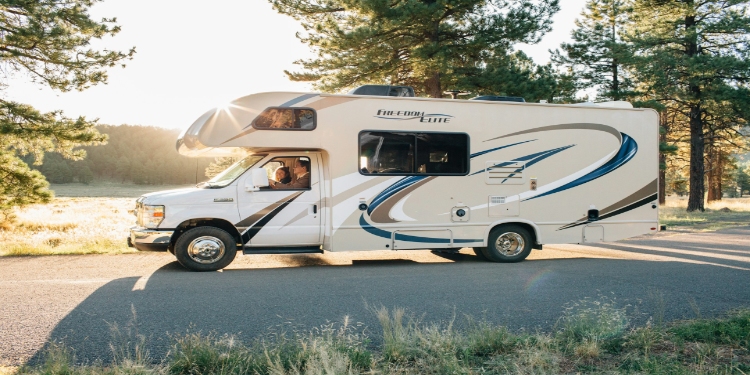
A used motorhome is a previously owned self-propelled leisure vehicle that combines road transport with sleeping, cooking, storage, and, in many models, washing facilities. It can turn an ordinary weekend into a flexible escape, but it can also become an expensive lesson when the buyer overlooks damp, payload limits, or incomplete paperwork. At the time of writing, Auto Trader listed nearly 13,000 used motorhomes in the UK, underscoring the choice buyers must sort through.
To help you confidently enter this market, this guide explains how to choose the right vehicle, calculate the real budget, inspect the mechanical and habitation areas, verify ownership records, and complete payment safely. For sellers, it outlines how to prepare, value, and advertise a motorhome without creating avoidable disputes during ownership transfers. Understanding these steps will help you approach the market with greater clarity.


What Is the UK Used Motorhome Market?
The UK used motorhome market is the network through which previously owned motorhomes and campervans are bought and sold by private owners, specialist traders, dealerships, brokers, auction houses, and online marketplaces. It includes everything from older compact conversions to premium A-class touring vehicles with fixed beds, garages, and high equipment levels across England, Scotland, Wales, and Northern Ireland.
Prices and availability change with age, mileage, model reputation, condition, and seasonal demand. Spring usually brings more buyers into the market, while autumn and winter may give patient shoppers more negotiating room. Fuel costs, finance rates, and the supply of new vehicles also influence demand. Buyers should therefore compare several similar models rather than treating one advert as proof of market value.
Is a Used Motorhome the Right Choice for You?
A used motorhome is a sensible choice for travelers who value flexible touring and can manage the storage, maintenance, and running responsibilities that ownership creates. It can suit couples planning regular short breaks, families touring during school holidays, or retirees taking longer trips. It is less suitable when the vehicle will be used only once or twice each year, parking is unavailable, or the owner dislikes driving a large vehicle.idays. Consider winter storage, routine servicing, tire replacement, insurance, cleaning, and the possibility of sudden mechanical or habitation repairs. Hiring a similar vehicle before buying can reveal whether the layout, size, and driving position suit daily use. Before browsing adverts, answer these practical questions honestly:
- Usage frequency
- Beds and belted seats
- Storage location
- Driver confidence
- UK or overseas travel
- Repair reserve
What Should Buyers Decide Before Viewing Motorhomes?
Buyers should decide their total budget, preferred layout, required passenger capacity, license restrictions, and intended travel style before arranging a viewing. A polished interior can easily distract from poor payload, awkward beds, or too few traveling seats. Start with the journeys you expect to make. A couple who visit small villages may need a compact vehicle, while a family carrying bicycles, outdoor furniture, and sports equipment may need more storage and a larger payload.o will drive, where the vehicle will be parked, and whether every passenger needs a proper travel seat. A written shortlist prevents an attractive but unsuitable motorhome from controlling the decision. Record these requirements before searching:
- Purchase and repair budget
- Berths and travel seats
- Bed arrangement
- Kitchen and washroom
- Length and height
- Payload
- Transmission
- Storage
- Fuel and emissions
- Touring region
Which Types of Used Motorhomes Are Available?
Motorhome types are vehicle body styles that determine interior space, driving characteristics, berth capacity, and purchase cost.N conversions are compact and easier to park, although their washrooms and storage areas are often limited. Low-profile coachbuilt motorhomes offer more living space without a large overcab section. Overcab models provide an extra bed and can work well for families. A-class motorhomes integrate the cab and living body, creating a spacious interior but increasing width and price.
Berth count is not the same as the number of safe traveling seats, so inspect seat belts and approved seating positions separately. When comparing used motorhomes for sale, filter by practical needs rather than appearance alone:
- Campervans
- Two-berth models
- Three-berth models
- Four-berth models
- Six-berth models
- Coachbuilt motorhomes
- A-class motorhomes
How Much Does a Used Motorhome Cost in the UK?
Used motorhome prices typically start below £15,000 for older vehicles, while many established mid-market models sit between £25,000 and £60,000. Late-model, automatic or premium vehicles can exceed £70,000, and specialist luxury examples may cost far more. Current listings show the breadth of the market, from older vehicles below £10,000 to recent premium models above £100,000.
Compare asking prices only with genuinely similar vehicles, because a cheaper example may need damp repairs, tires, a cambelt, or appliance work. The budget is untouched for work discovered after purchase. Eight main factors affect price:
- Age
- Mileage
- Brand and model
- Mechanical condition
- Habitation condition
- Service history
- Equipment
- Season
The purchase price is only the beginning. Budget for insurance, tax, servicing, storage, fuel, campsites, and repairs.
How to Inspect a Used Motorhome Before Buying
A proper inspection examines the road vehicle, living area, installed systems, and driving behavior before any deposit is paid. View the motorhome in daylight and allow enough time to test the equipment. A vehicle can look clean while hiding water ingress, aging tires, failing batteries, or appliances that work only intermittently. The Caravan and Motorhome Club specifically recommends moisture-meter checks, service-history review, and testing gas and electrical equipment.
Ask for the motorhome to be cold when you arrive, so starting problems are easier to notice. Check that the seller can demonstrate every control, and do not assume an untested appliance merely needs a fuse. The inspection has nine stages:
- Examine bodywork and seals.
- Check tires, brakes, and lights.
- Inspect engine fluids.
- Look for damp.
- Test gas, water, and electrics.
- Operate appliances and heating.
- Inspect furniture and beds.
- Confirm payload limits.
- Complete an insured test drive.
Which Documents and Vehicle History Checks Are Required?
Buyers should verify the motorhome’s identity, registered keeper details, roadworthiness, mileage, finance status, and maintenance history before paying. The vehicle identification number should match the V5C and the number shown on the chassis. DVLA advises against buying a vehicle without a V5C, while Citizens Advice recommends checking MOT history and obtaining a private history report for theft, finance, write-off, and mileage information.
Look for continuous records rather than one recent service receipt. Gaps do not automatically prove a problem, but they require a credible explanation. Conversion documents are especially important where seats, windows, gas systems, or electrical equipment were added later. Request:
- Original V5C
- Matching VIN
- MOT history
- Service records
- Habitation reports
- Gas and electrical records
- Finance and theft check
- Repair receipts
- Manuals and warranties
- All keys
How Can Buyers Check for Damp and Water Damage?
Buyers can detect possible damp by inspecting high-risk joints, looking for visible damage, noticing unusual smells, and taking moisture readings. Water ingress can spread behind wall panels before obvious marks appear, so a clean surface does not guarantee a dry structure. Pay particular attention to roof lights, windows, doors, external lockers, shower areas, and places where accessories have been attached. Examine beneath mattresses, inside cupboards, and around water pumps.
Compare several readings rather than relying on one isolated number, and ask when the vehicle was last washed or exposed to rain. A seller should not object to a careful inspection. Common warning signs include:
- Musty smells
- Mould
- Soft surfaces
- Swollen furniture
- Peeling coverings
- Ceiling stains
- Water marks
- Fresh cosmetic repairs
Arrange a professional damp report when readings are high, inconsistent, or disputed.
Buying From a Dealer vs a Private Seller
Buying from a dealer usually costs more but can provide stronger consumer protection, warranties, and support. A private purchase may offer a lower price and more direct negotiation, but the buyer must conduct more checks and has fewer remedies when faults appear. Citizens Advice recommends choosing an established trader with a good reputation and notes that auction purchases may lack the protections available to customers of a trader.
Neither route removes the need for inspection. A reputable motorhome and campervan dealer should welcome careful checks, while an honest private seller should provide records and allow a proper test drive. Compare the complete deal, not only the windscreen price, because servicing, warranty coverage, and repair preparation have real value.
| Factor | Dealer | Private seller |
| Price | Higher | Lower |
| Protection | Stronger | Limited |
| Warranty | Often | Rare |
| Finance | Often | Uncommon |
| Preparation | More consistent | Variable |
| Negotiation | Moderate | Flexible |
| Buyer checks | Essential | Critical |
What Should Sellers Do Before Listing a Used Motorhome?
Sellers should clean, inspect, document, and realistically value the motorhome before advertising it. Preparation creates buyer confidence and reduces last-minute bargaining. Remove personal items, clean areas that photographs may reveal, and repair small faults at a reasonable cost. Gather the V5C, service history, MOT information, habitation reports, manuals, keys, and receipts. Record known defects honestly, including damp, appliance faults, body damage, or warning lights.
Photograph the vehicle after cleaning but before packing accessories back inside. Buyers need to see the upholstery, washroom, kitchen, cab, storage areas, exterior panels, and roofline. Accurate dimensions, payload information, and seat-belt counts reduce unsuitable inquiries. Use this sequence:
- Empty and clean.
- Test all systems.
- Repair minor faults.
- Gather records.
- Take clear photographs.
- Confirm specifications.
- List accessories.
- Disclose defects.
Honest disclosure protects trust and helps serious buyers accurately assess the vehicle.
How to Price and Advertise a Used Motorhome
Pricing and advertising require market comparison, condition adjustments, accurate specifications, useful photographs, and a realistic negotiating margin. Sellers should compare vehicles with the same year, manufacturer, body style, berth count, mileage, and equipment level. Asking prices are not the completed sale prices, so avoid copying the most expensive advert. An independent appraisal or professional motorhome valuation services can provide another reference when the model is unusual, or market evidence is limited.
Decide whether the priority is achieving the highest possible price or completing a fast, uncomplicated sale. That decision affects the asking price, preparation budget, and sales route. The process has six steps:
- Find comparable vehicles.
- Adjust for condition.
- Account for repairs.
- Set the asking price.
- Write an accurate advert.
- Add clear photographs.
Include the model, year, mileage, berths, belted seats, layout, dimensions, history, equipment, faults, location, and price.
How Can Buyers and Sellers Complete a Safe Transaction?
Buyers and sellers can complete a safe transaction by confirming identities, using a traceable payment method, recording the agreement, and updating the registered keeper correctly. Meet at a verifiable home or business address, compare identification with the sale details, and do not rely on screenshots as proof of payment. Funds should be visible and cleared before the motorhome, keys, or documents are released.
Agree the handover process in advance before payment day, particularly when bank transfer limits may delay a large transaction. The receipt should identify the parties, vehicle, mileage, amount, date, and any agreed faults or included accessories. Use these safeguards:
- Verify identities.
- Avoid large cash payments.
- Confirm bank details.
- Wait for cleared funds.
- Sign a receipt.
- Record mileage.
- Update DVLA.
- Exchange correct documents.
- Arrange tax and insurance.
- Retain copies.
DVLA states that vehicle tax does not transfer to the buyer; the buyer must tax the vehicle before driving it.
Conclusion
A successful used motorhome transaction depends on preparation rather than luck. Buyers should select the right layout, confirm that their license covers the vehicle’s maximum authorized mass, budget beyond the advertised price, and inspect both the base vehicle and habitation area. Motorhomes between 3.5 and 7.5 tonnes require category C1 entitlement, while heavier vehicles require category C.
Sellers should present accurate records, disclose defects, choose a realistic valuation, and release the vehicle only after payment clears. Both sides should document the agreement and notify DVLA correctly. Taking an extra day to verify damp readings, history, ownership, and payment can prevent years of repair costs, legal arguments, and regret. Careful decisions protect both money and future travel plans.

David Prior
David Prior is the editor of Today News, responsible for the overall editorial strategy. He is an NCTJ-qualified journalist with over 20 years’ experience, and is also editor of the award-winning hyperlocal news title Altrincham Today. His LinkedIn profile is here.