
















































Rather than just aesthetics, designing a commercial interior is about experience, efficiency and value. A well-designed interior can directly impact customer satisfaction, employee productivity and brand perception, regardless of the type of space—whether it’s a retail store, hotel or office. A fundamental component of this process is the ability to recognize how layout, materials, lighting and workflow are all interrelated and contribute to a unified space.
At the heart of hospitality design is the idea of functionality meeting style. A successful space must not only look appealing but also operate smoothly under real-world conditions. This becomes especially important in projects like a restaurant fit out, where kitchen flow, seating arrangements, and customer movement all need to be carefully balanced to ensure efficiency and comfort.


Understanding Commercial Interior Planning
Commercial interior planning is a process of creating functional and aesthetic interior areas. Commercial spaces have different requirements to residential design, such as increased traffic, more rigorous safety measures, and functional needs.
Key considerations include:
- Optimising space for staff and customers
- Adhering to health and safety regulations
- Materials that are both durable and easy to clean.Easy to clean and durable materials.
- Effective lighting & ventilation systems
- Brand identity embedded into the space.
All of these aspects are essential to make the space not only look great, but function well over time as well.
The Importance of Layout and Flow
The flow of moving in a commercial interior is one of the most important things to consider. If the layout is not designed well, then there can be problems of congestion, inefficiency, and bad user experience.
A good design will allow for:
- Smooth customer movement from entry to exit
- Clear separation between public and operational areas
- Efficient staff movement behind the scenes
- Logical placement of key functional zones
- Reduced waiting times and bottlenecks
In hospitality settings, for instance, the location of service counters, seating areas and preparation spaces need to be well aligned to minimise disruption and enhance customer service.
Design Elements That Elevate Commercial Interiors
Creating stylish commercial interiors involves a blend of functional design and creative thinking. The objective is to make a business-like and welcoming environment.
The following design elements are key:
- Lighting design: Layered lighting enhances mood and functionality
- The colors used throughout create a cohesive look and help establish a brand identity.
- Furniture choice: Ergonomic and durable furniture, which enhances usability.
- Acoustic treatment: Suppresses noise in noisy areas
- Choices of materials: High-quality finishes for long life and appearance
These are all elements that should be selected for aesthetic and functional purposes.
Balancing Style and Functionality
One of the usual fallacies that people make when designing a commercial office is to pay attention to its looks over its functionality. Although it’s important to look good, it’s also crucial to be functional.
A balanced approach will contain:
- Choosing aesthetically pleasing materials that are resilient
- Creating adaptable layouts that will change with the future requirements
- Making it accessible for everyone to use
- Creating storage solutions within the design
- Ensuring consistency between front and back of house
The right style and function make for a space that welcomes customers and promotes long-term success.
Planning for Efficiency and Growth
Future growth should be taken into consideration when designing commercial interiors. Businesses change and spaces should change along the way without a complete redesign.
The following are important planning strategies:
- Flexible layouts and modular furniture
- The ability to expand technology and utilities infrastructure.Scalability of technology and utilities infrastructure
- Planning for multi-purpose zones for a variety of uses
- Ease of maintenance for repairs and upgrades.
- The use of the space for future expansion or reconfiguration
Planning ahead during the initial stages can minimize costs and disruption in the coming years.
Sustainability in Modern Commercial Design
Today, ‘sustainability’ plays a significant role in interior design. The business sector is demanding that these firms be environmentally-friendly and yet high design standards are expected.
Sustainable design principles are:
- Reusing materials or responsibly sourced materials.
- Installing energy efficient lighting systems:
- Using smart fixtures to save water.
- Using natural ventilation wherever possible
- Making durable and reparable furnishings selections
Sustainable interiors can have a positive impact on the environment, as well as on the brand’s image and operational costs.
Technology Integration in Interior Spaces
In modern commercial interiors, technology is commonly used to enhance the efficiency and experience for the customers. Technology is an integral part of modern design, whether it’s through digital ordering platforms or smart lighting systems.
Common integrations include:
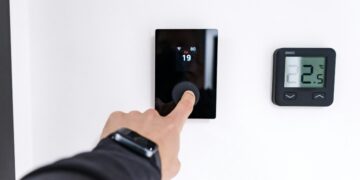
- Automated light and climate-control systems
- Digital signage and interactive displays
- Smart payment & ordering systems
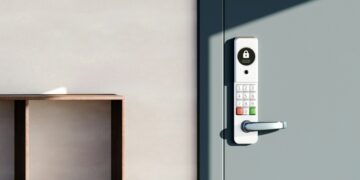
- User access and security monitoring
- Space usage analytics based on data
Technology can be used effectively to improve user experience and business efficiency.
Final Thought
Creating stylish commercial interiors is a process of careful planning and attention to detail, and understanding human interaction with the spaces. Every placement, illumination, decision about sustainability, technology, etc. plays a role in the success of the environment. Companies that put thought into their design can create experiences that will last in the minds of customers and lead to repeat business.
Even industries such as supply chain and storage—like operations connected to logistics warehouse london—demonstrate how critical efficient space planning is across all sectors. Whether it is customer-facing environments or behind-the-scenes infrastructure, good design remains the foundation of performance and growth.
FAQs
1. What is commercial interior planning?
Commercial interior planning is the process of designing business spaces that are functional, safe, and visually appealing while supporting operational efficiency.
2. Why is layout significant in commercial areas?
An effective layout will allow movement to flow better, will help to minimise congestion and will make customers and staff more comfortable.
3. What are the solutions to increase the sustainability of commercial interiors?
Reduce waste and use environmentally friendly materials and energy-efficient systems in their smart designs.
4. How is light used in interior design?
Lighting is important for functionality, mood and visibility, and should be used for its effects.
5. Will the commercial interiors be adaptable in the future?
Absolutely, flexible design solutions like modular furnishings and scalable systems enable spaces to adapt to business requirements.